USA National Parks: History, All 63 Parks, and the Future of a Public Treasure
America’s national parks invite visitors to think on a different scale. A canyon records geological time, an old forest shelters generations of living things, and a historic landscape asks how people have shaped the country. These places are not simply a collection of spectacular photographs. They are a public commitment to protect important landscapes while allowing people to experience and learn from them.
For travelers beginning a USA national parks itinerary, ParksDirectory™ can be a starting point for exploring the category. The most useful next step is understanding what belongs to the national park system, how that system began, and why a thoughtful visit matters as much as checking another destination off a list.
How many national parks are there?
As checked in September 2026, the National Park Service lists 63 designated national parks within a larger system of 433 units. The larger system also includes national monuments, historic sites, battlefields, seashores, recreation areas, and other designations. Consequently, a claim that America has either 63 or 433 “national parks” needs an explanation of which definition is being used.[1]
The distinction matters when planning. An urban historic site and a remote wilderness park may share federal stewardship without offering comparable facilities, admission arrangements, or travel requirements. The 63 designated national parks include places in American Samoa and the U.S. Virgin Islands, not just the 50 states. Some parks are administered alongside separately designated preserves; those paired names should not lead travelers to double-count the national parks.[1:1]
Who started the national parks?
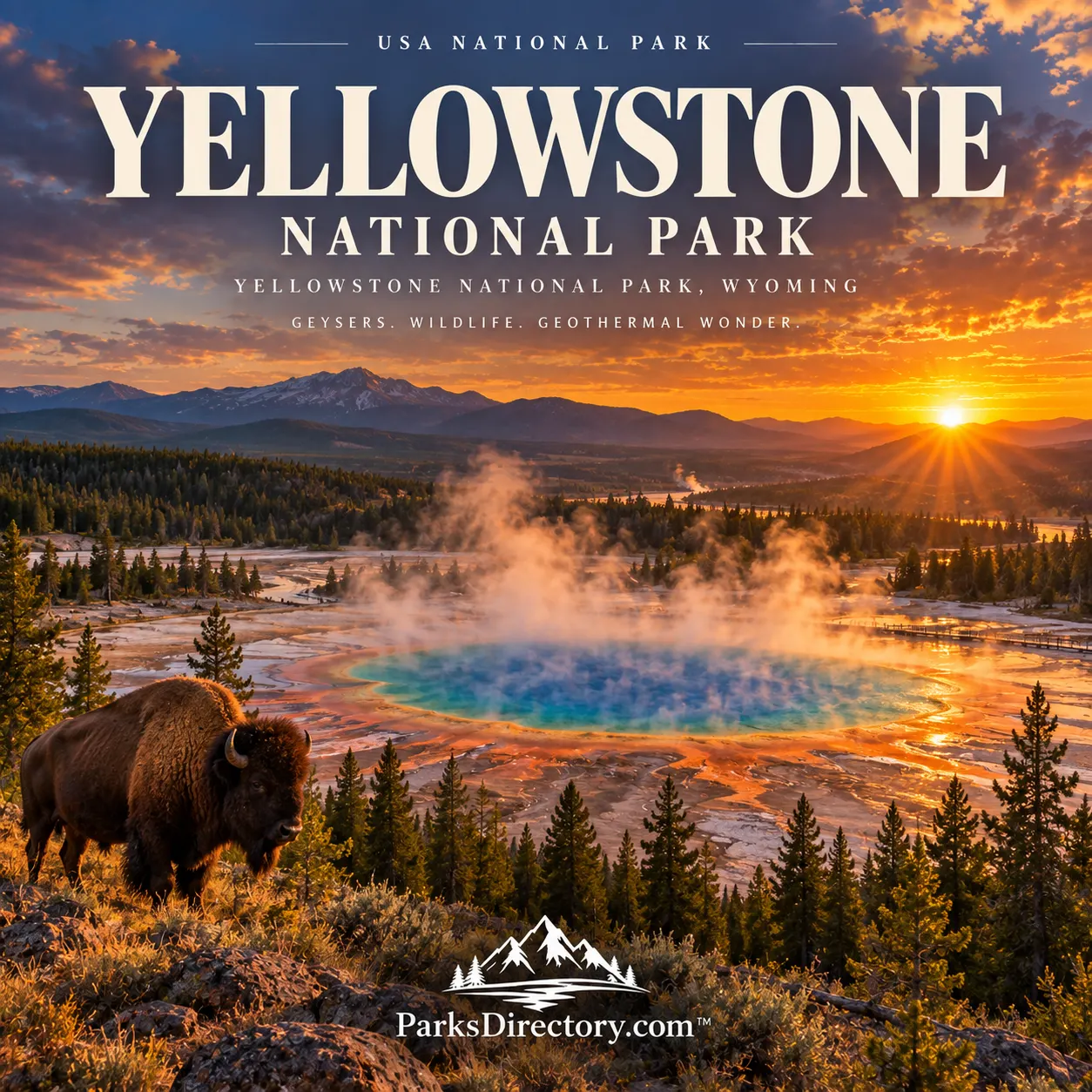
There was no single founder responsible for every part of the idea. Congress established Yellowstone National Park, and President Ulysses S. Grant signed the legislation on March 1, 1872. Yellowstone became the first U.S. national park. An important predecessor was the 1864 Yosemite Grant, signed by President Abraham Lincoln, which transferred protected land to California rather than creating today’s federal park service.[2]
President Theodore Roosevelt later became a major champion of conservation and expanded federal protection, but he did not establish Yellowstone or create the National Park Service. President Woodrow Wilson signed the agency’s founding legislation on August 25, 1916. Stephen Mather became its first director. Those milestones distinguish the creation of an individual park from the establishment of a national management agency.[2:1]
This history must also recognize that protected landscapes were not empty before federal designation. Indigenous peoples had long inhabited, traveled through, and cared for these places. Yellowstone’s own history describes many associated tribes and deep relationships with the landscape. Understanding national parks therefore requires listening to Indigenous histories as well as celebrating conservation legislation.[3]
The complete list of 63 national parks
The following list follows the National Park Service’s designated national park category. State and territorial locations are included to make it useful for trip planning; shared preserves are not counted as additional national parks.[1:2]
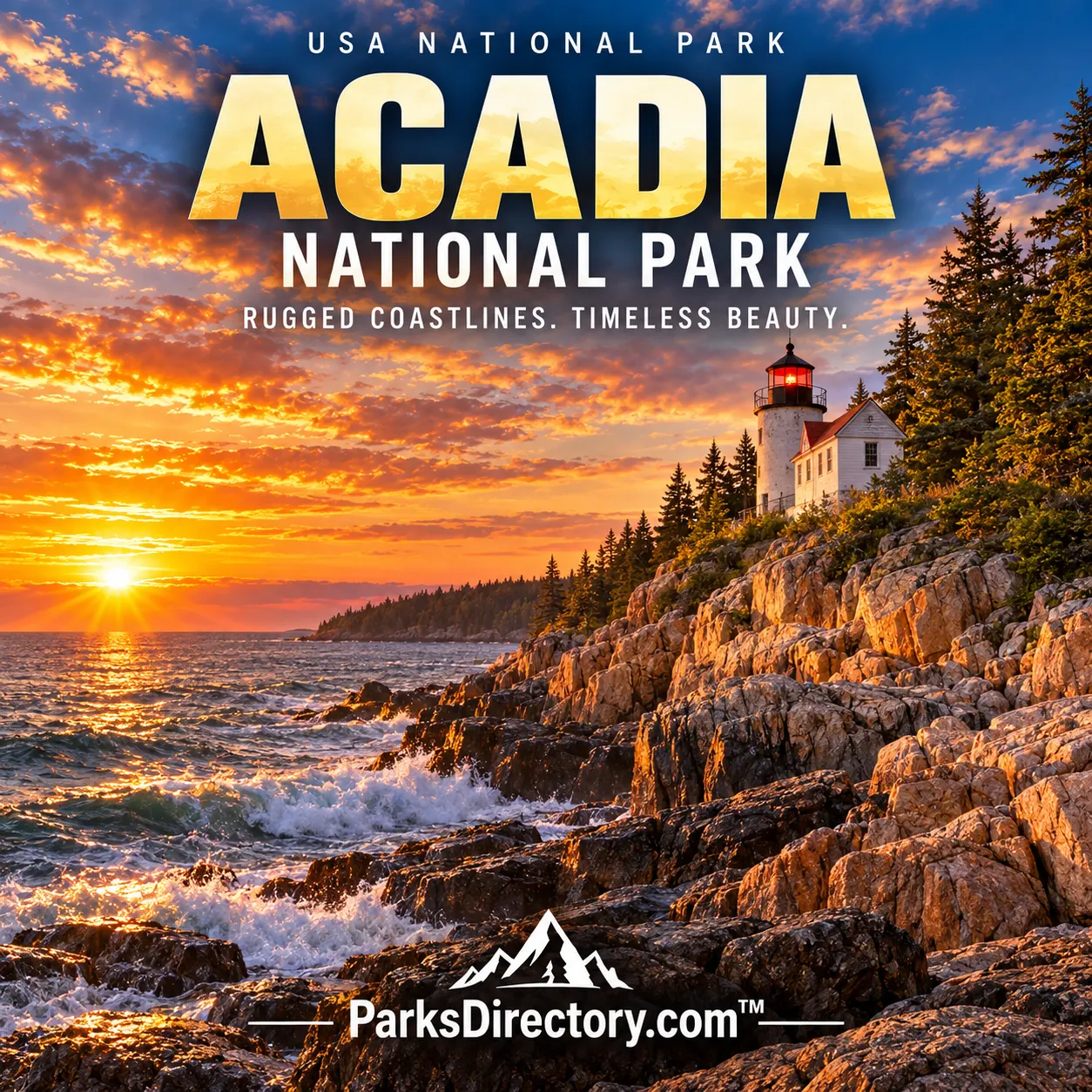
- Acadia National Park — Maine.
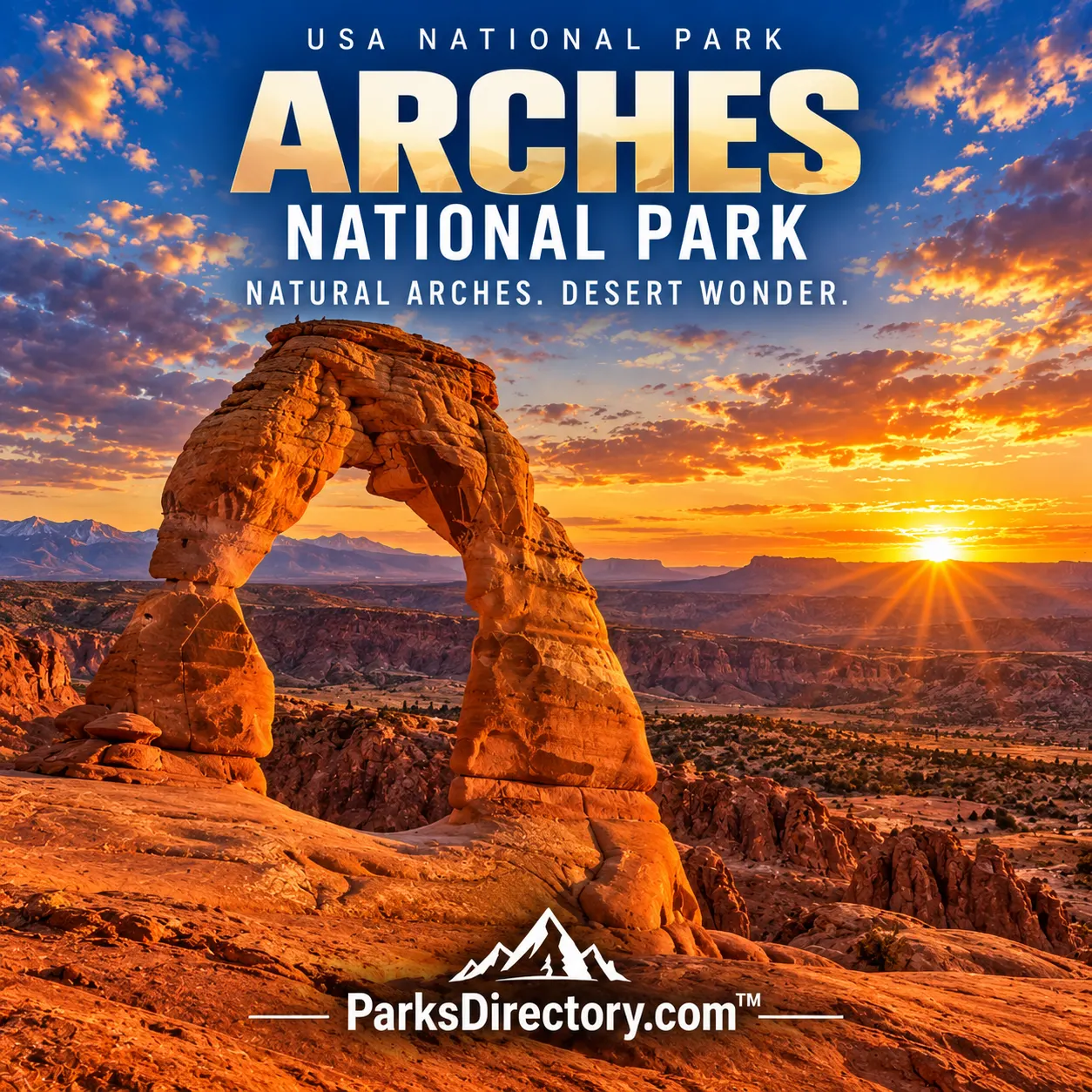
- Arches National Park — Utah.
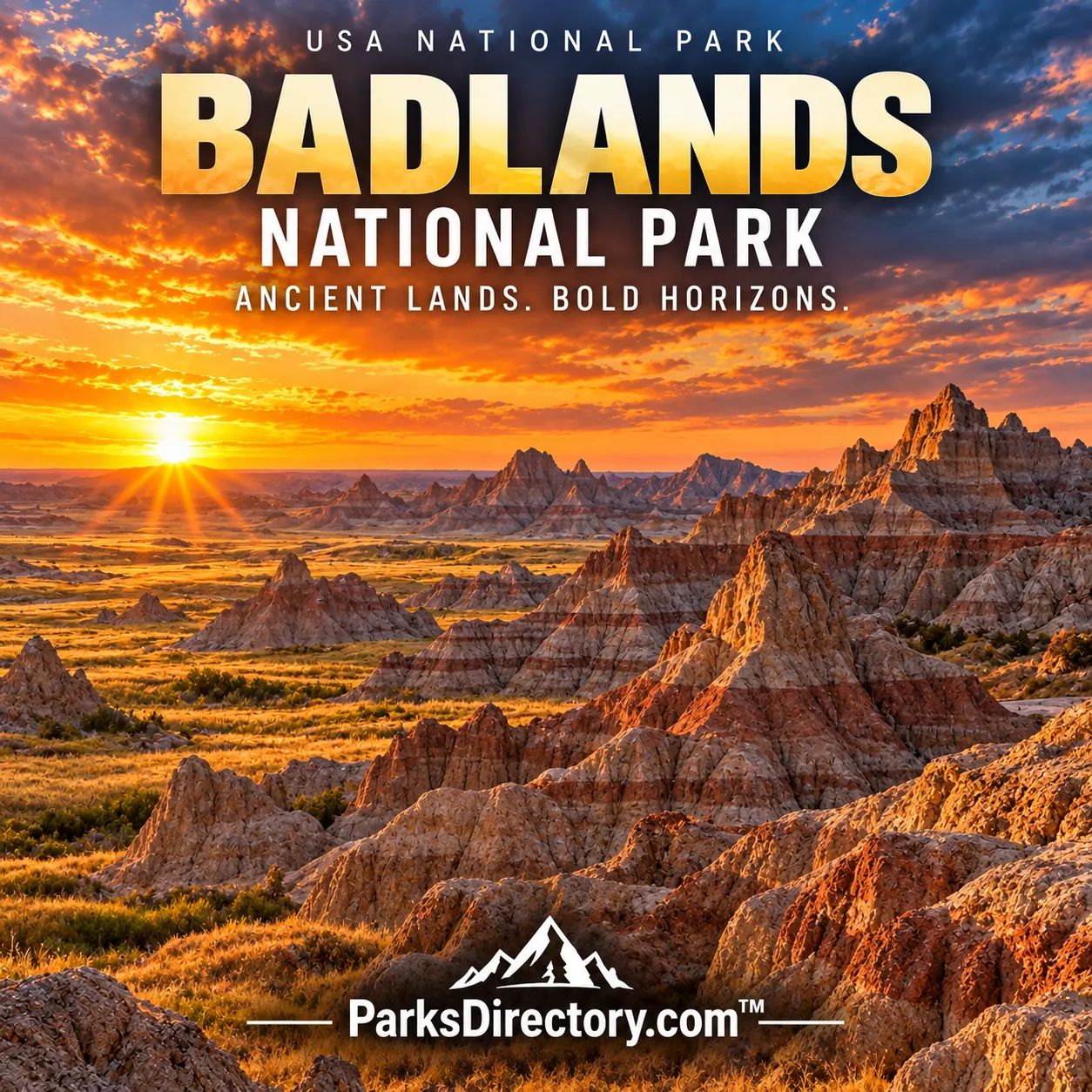
- Badlands National Park — South Dakota.
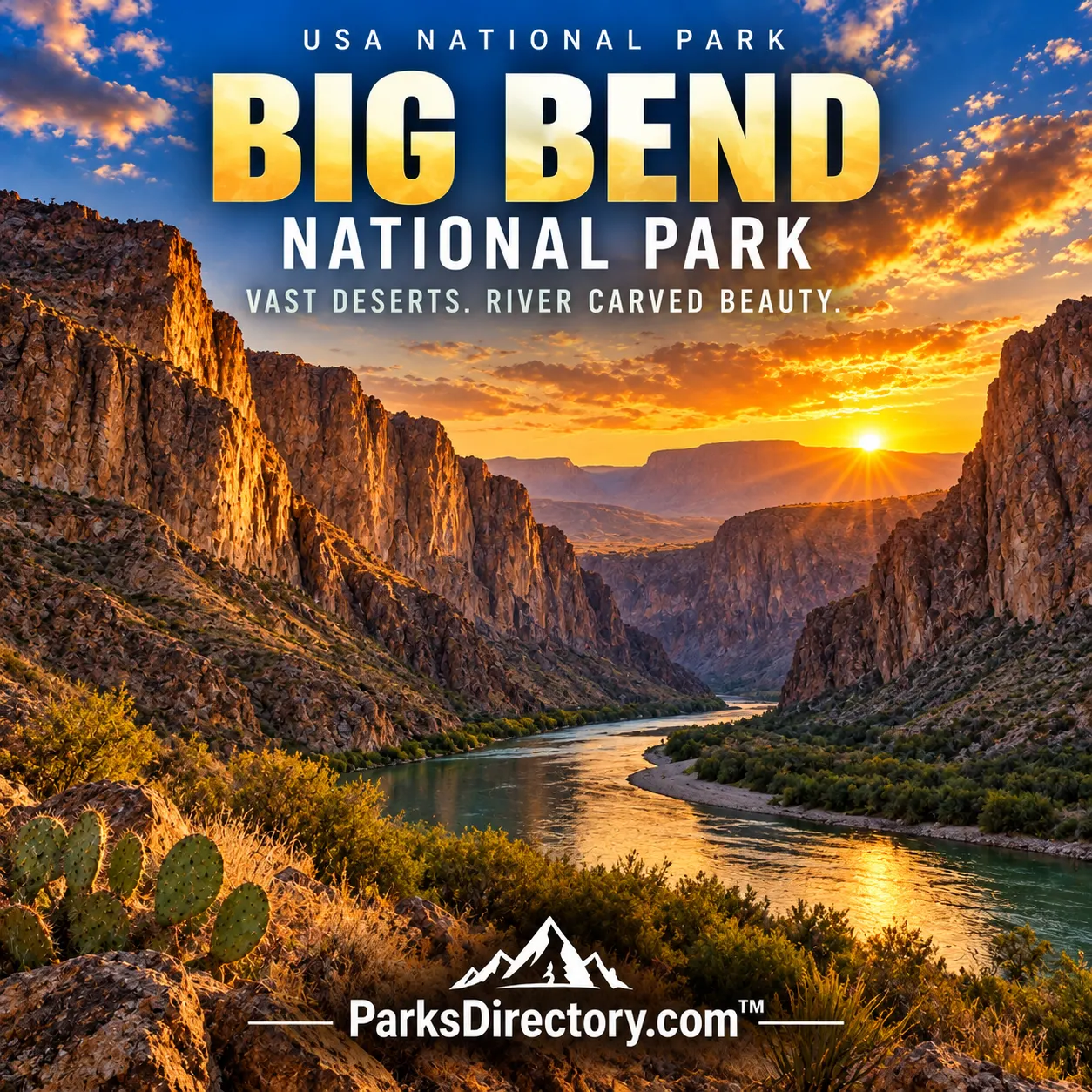
- Big Bend National Park — Texas.
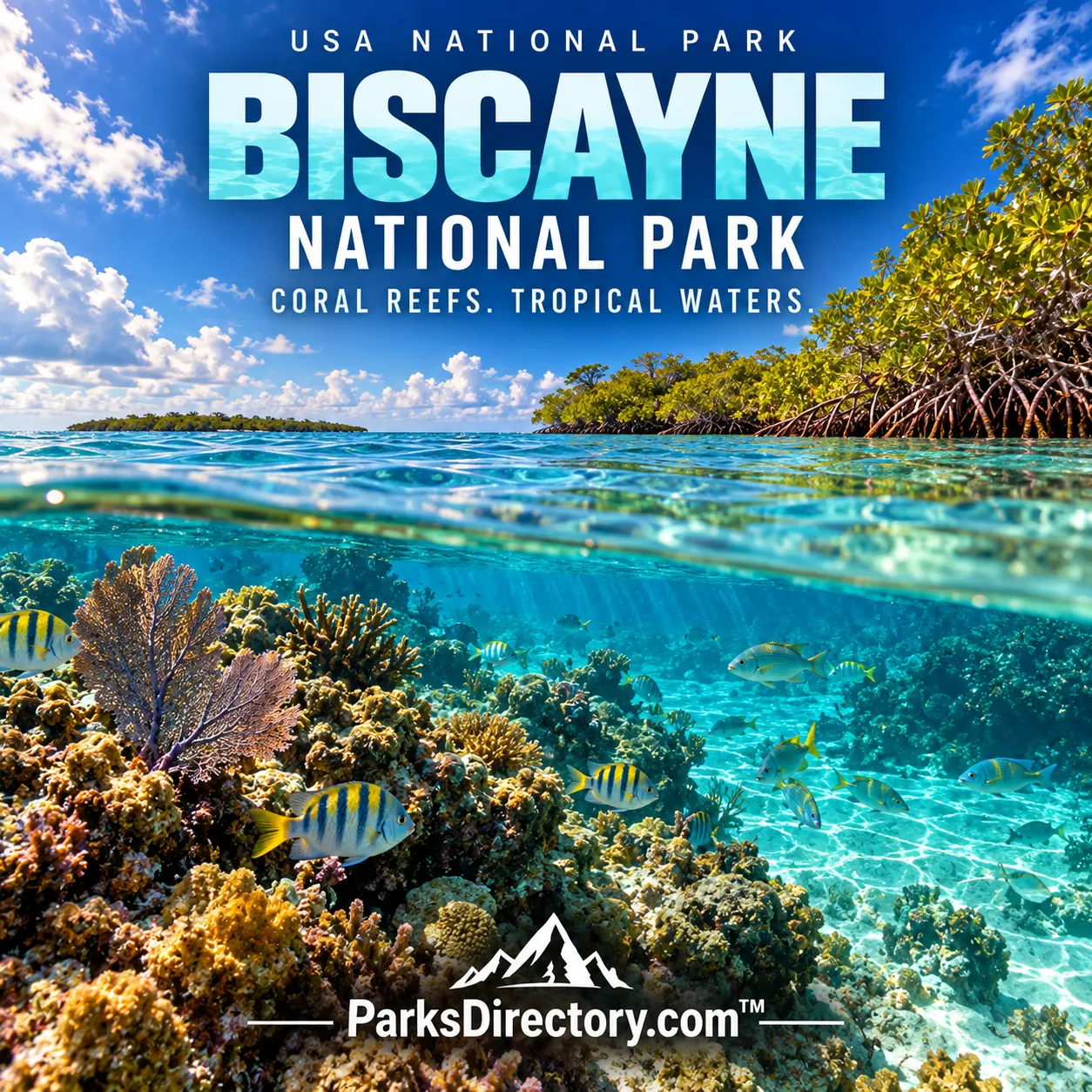
- Biscayne National Park — Florida.
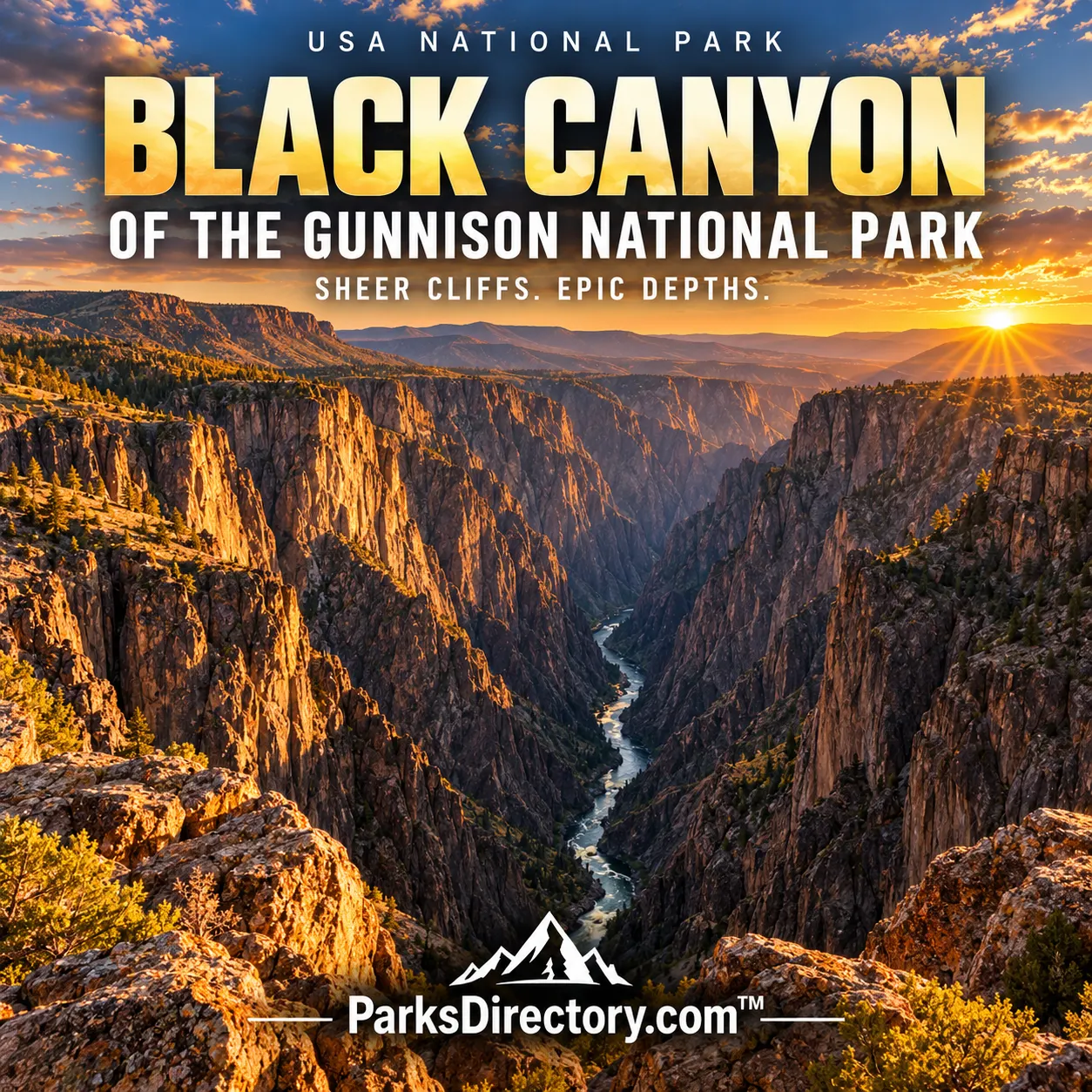
- Black Canyon of the Gunnison National Park — Colorado.
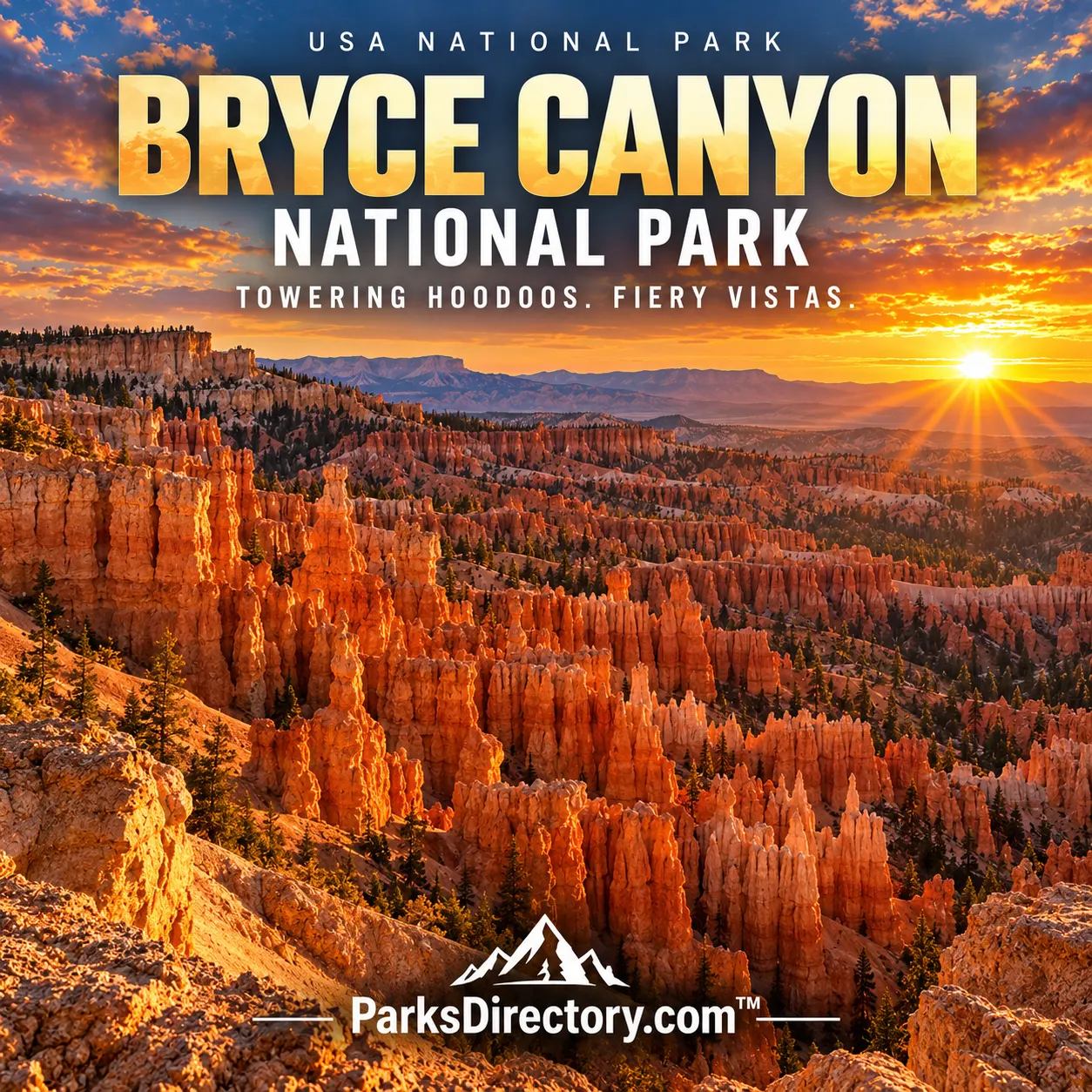
- Bryce Canyon National Park — Utah.
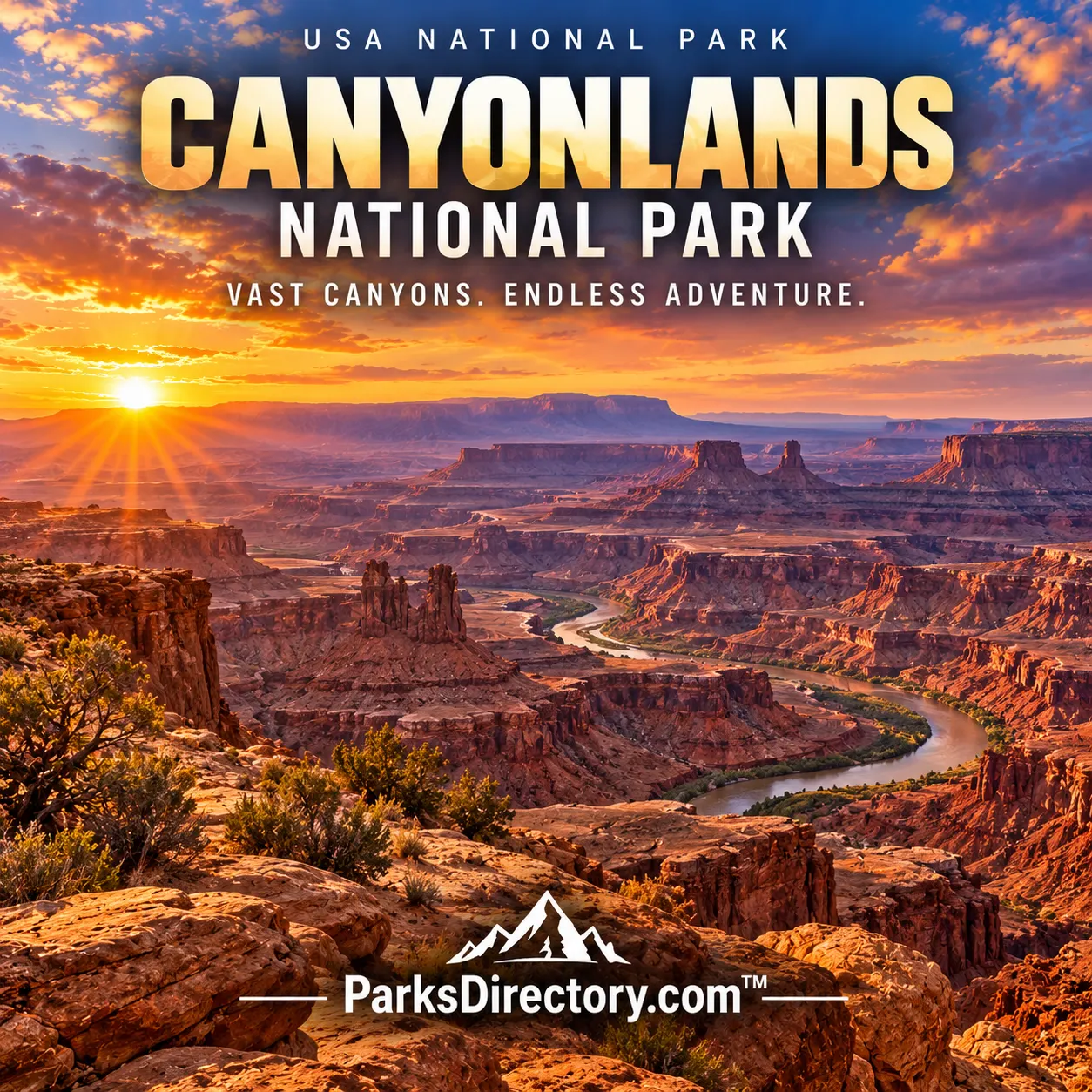
- Canyonlands National Park — Utah.
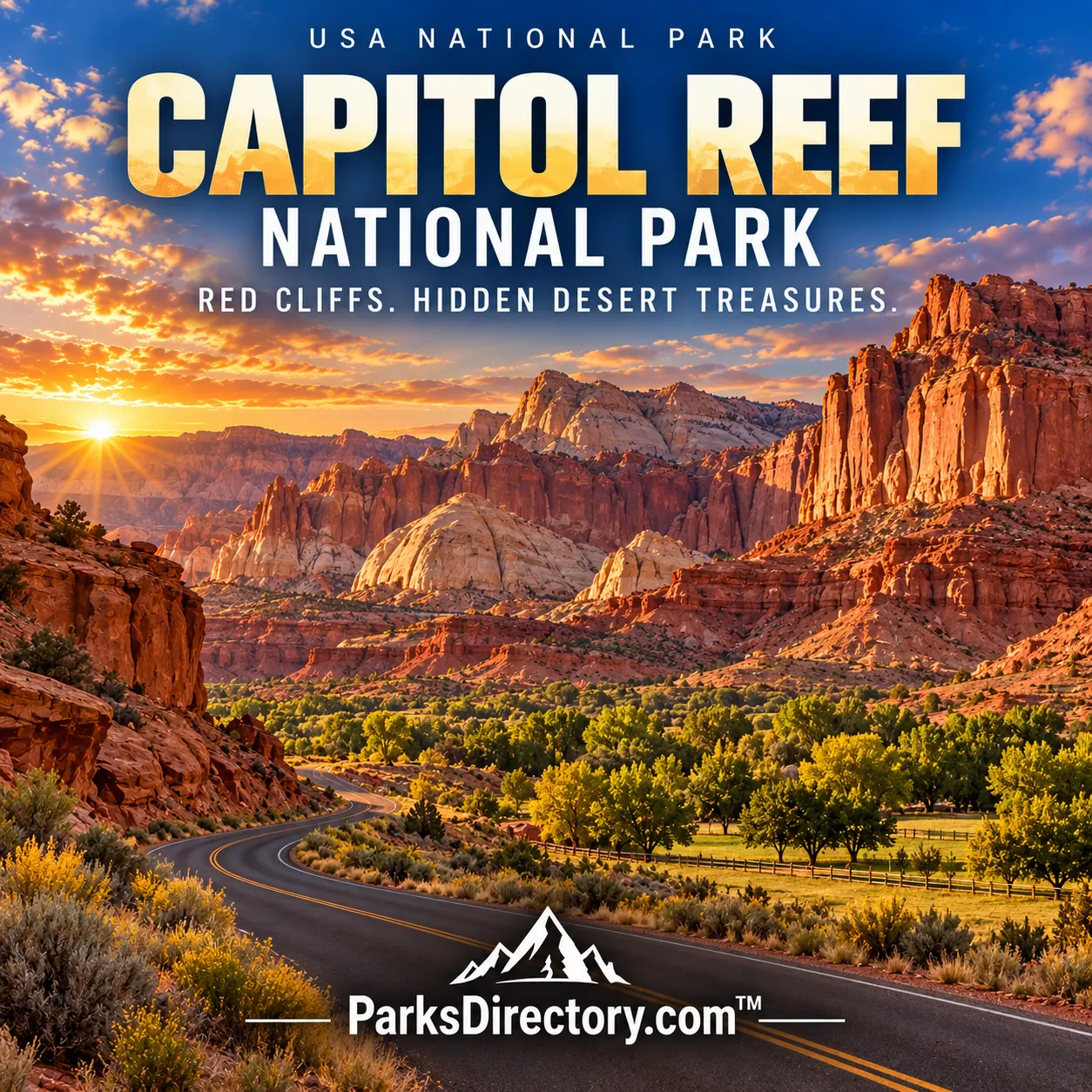
- Capitol Reef National Park — Utah.
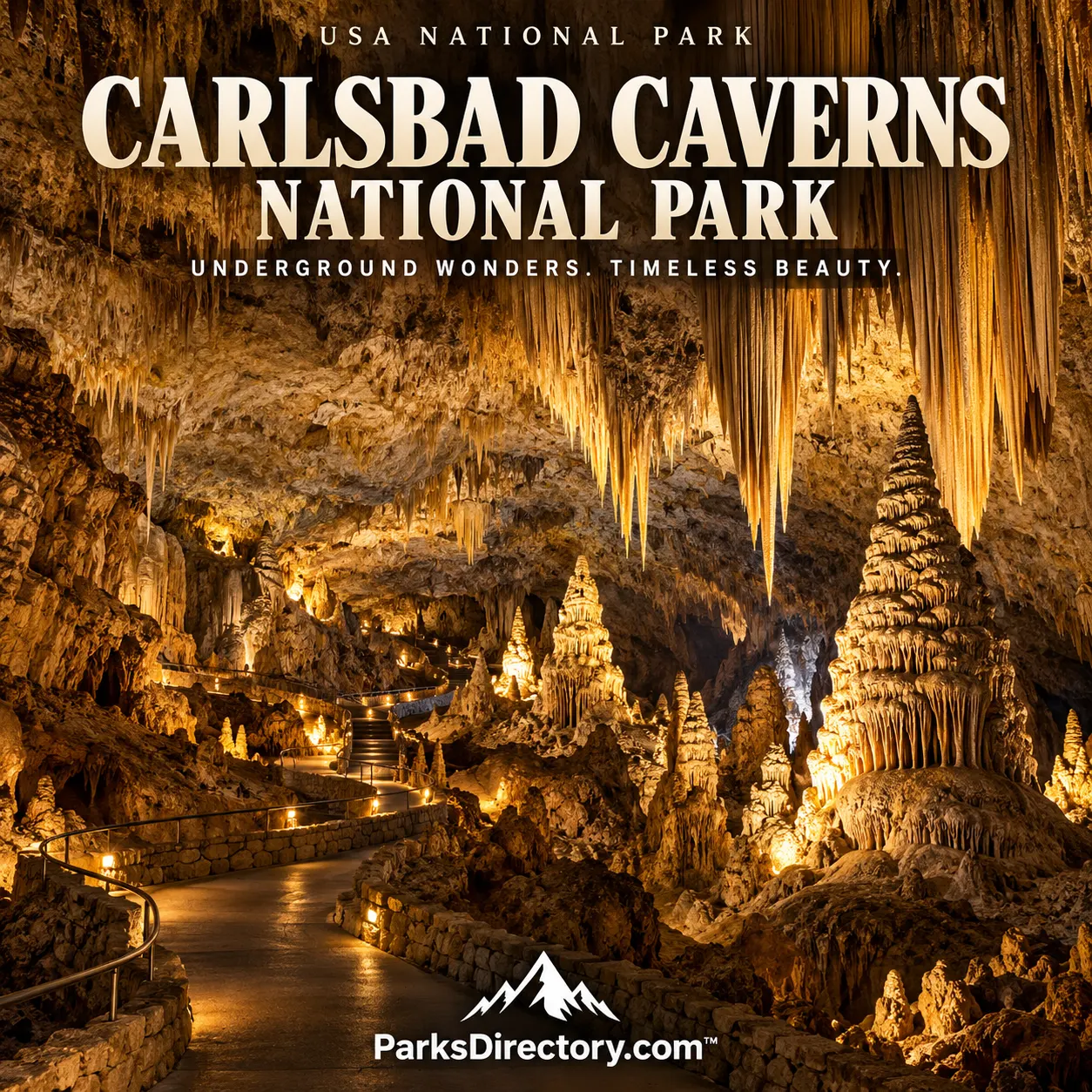
- Carlsbad Caverns National Park — New Mexico.
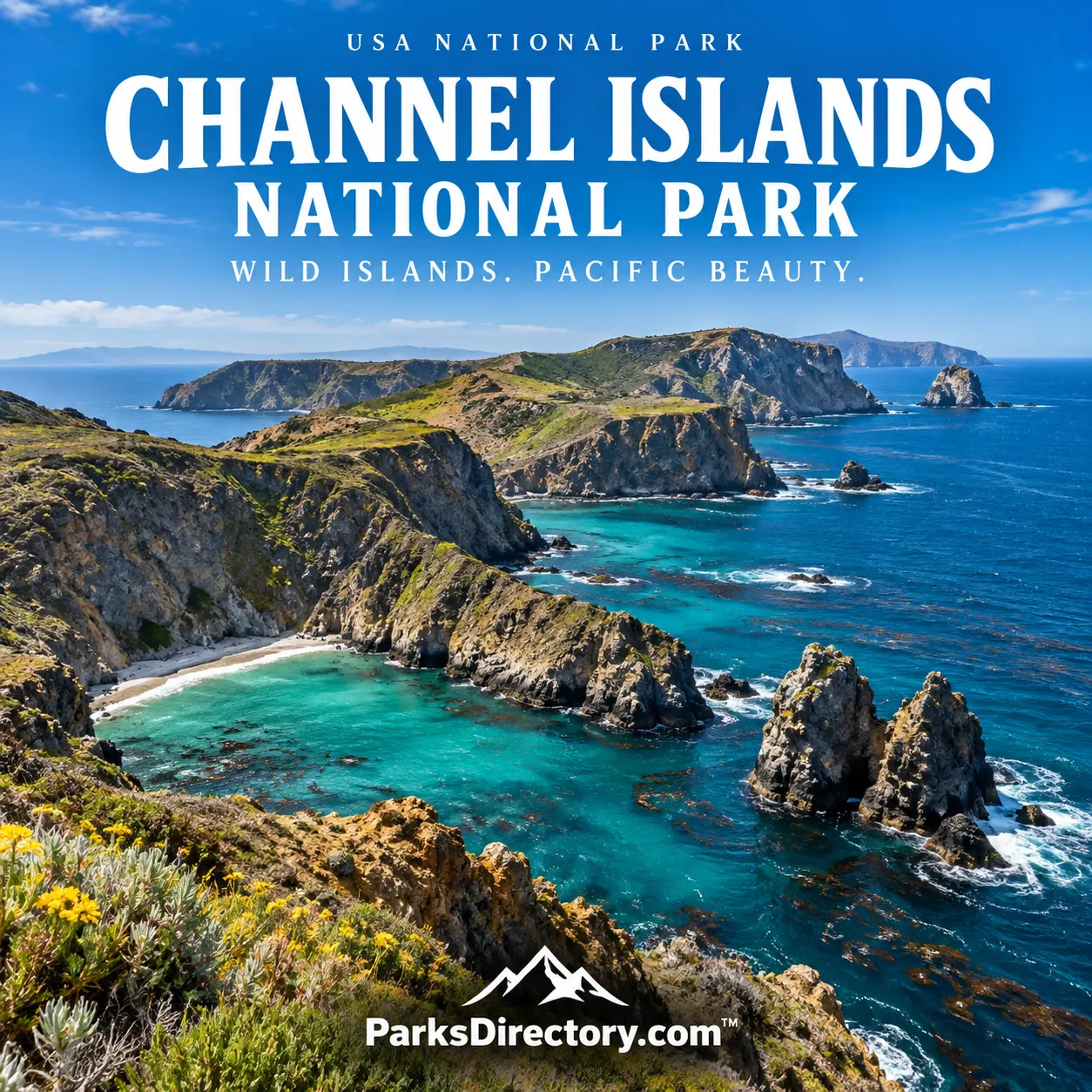
- Channel Islands National Park — California.
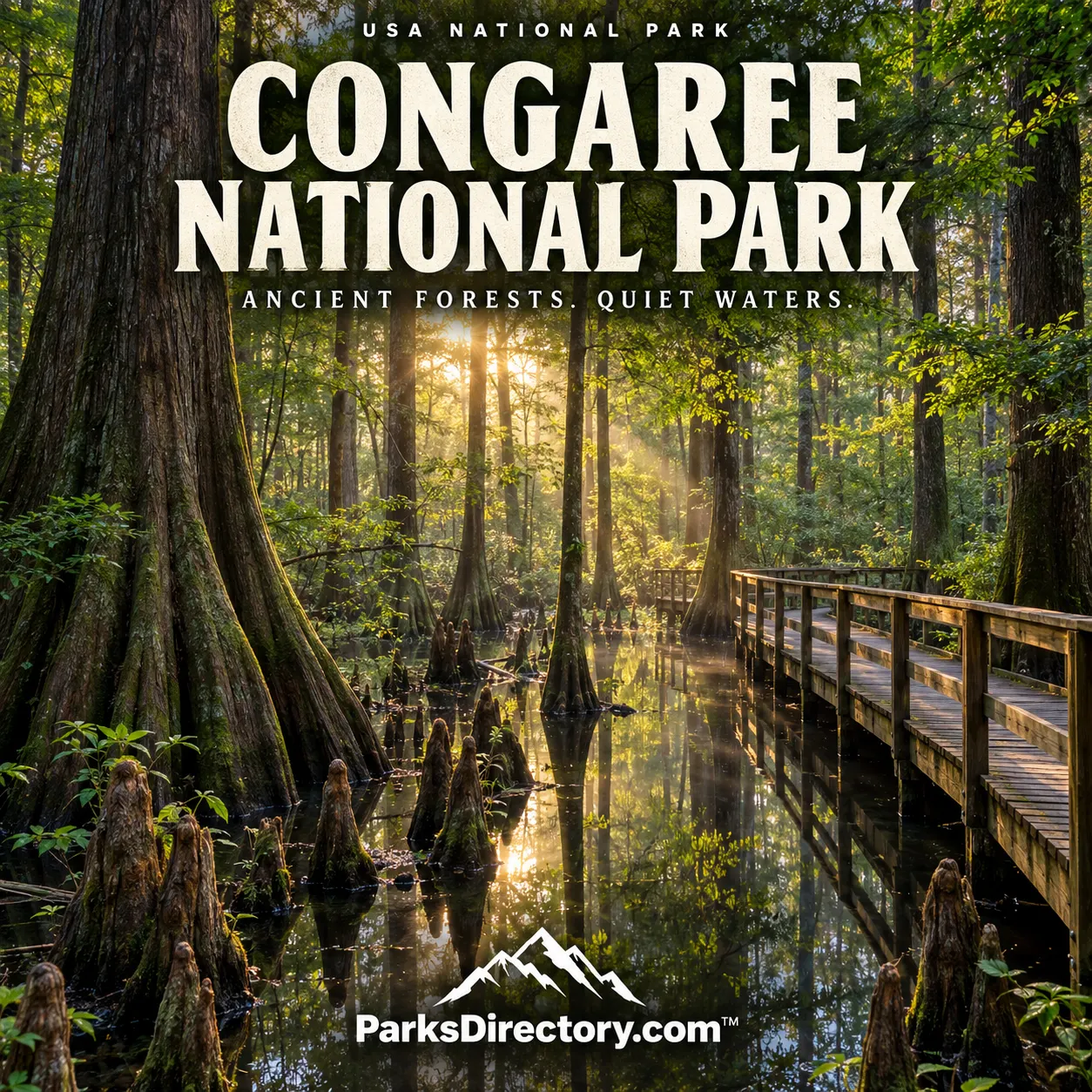
- Congaree National Park — South Carolina.
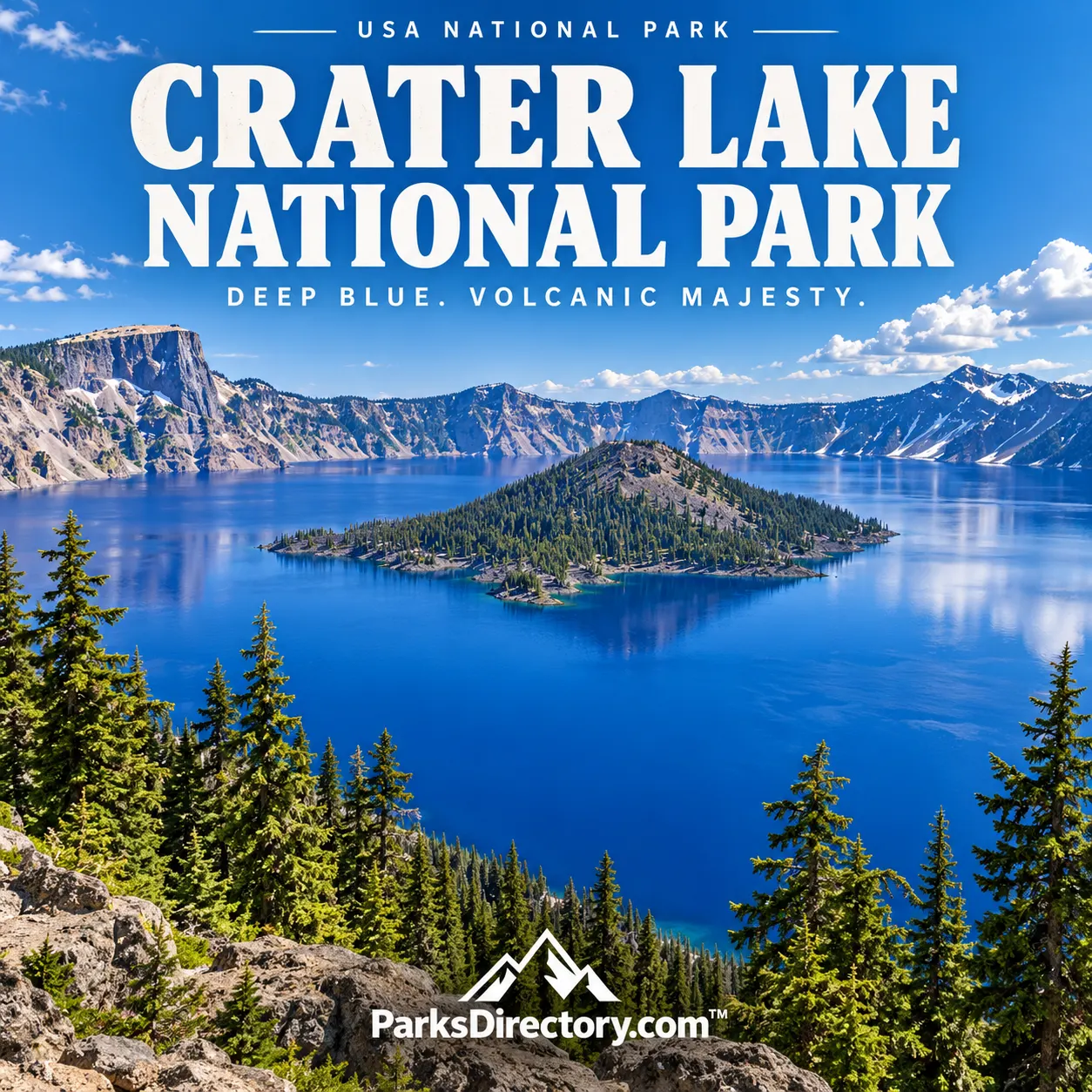
- Crater Lake National Park — Oregon.
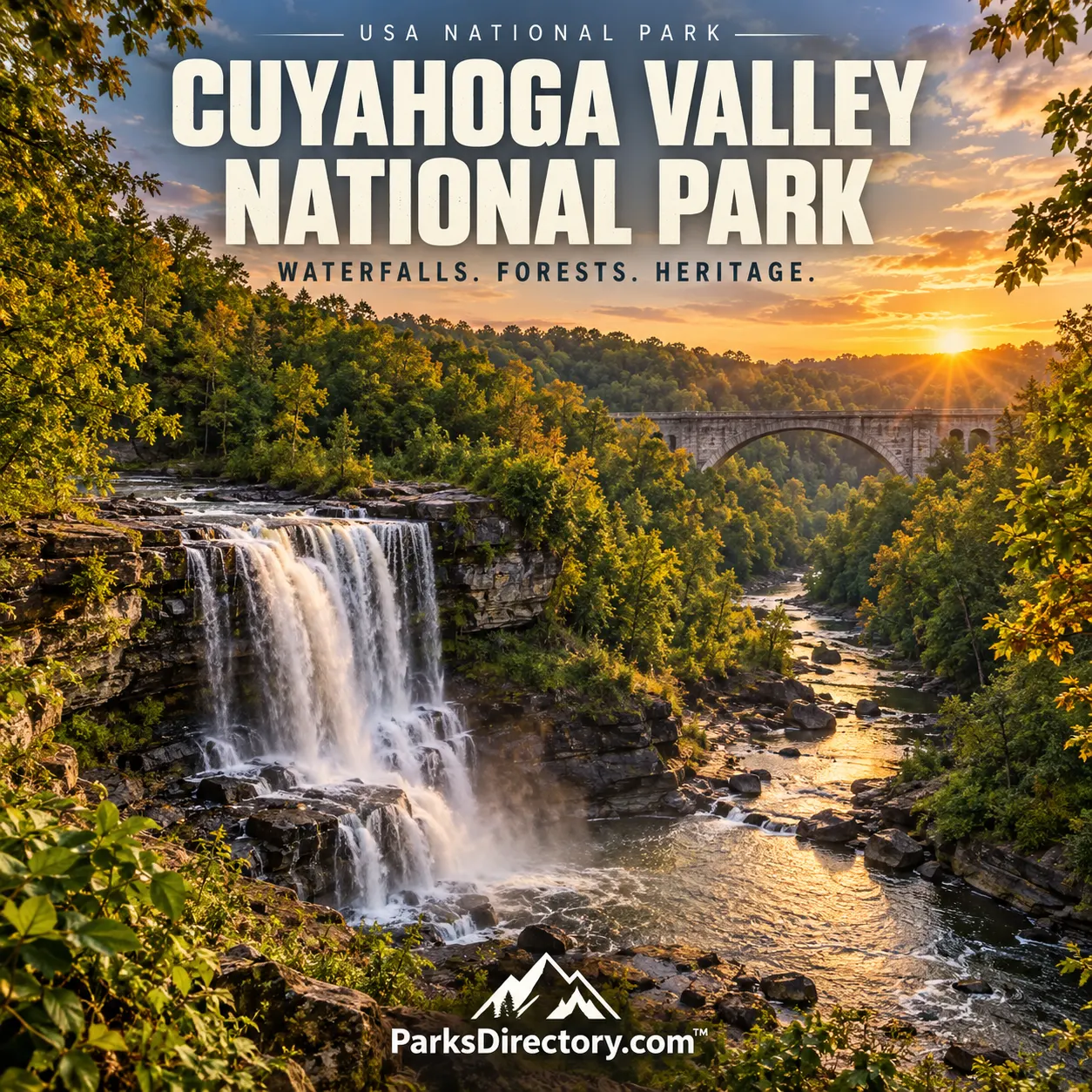
- Cuyahoga Valley National Park — Ohio.
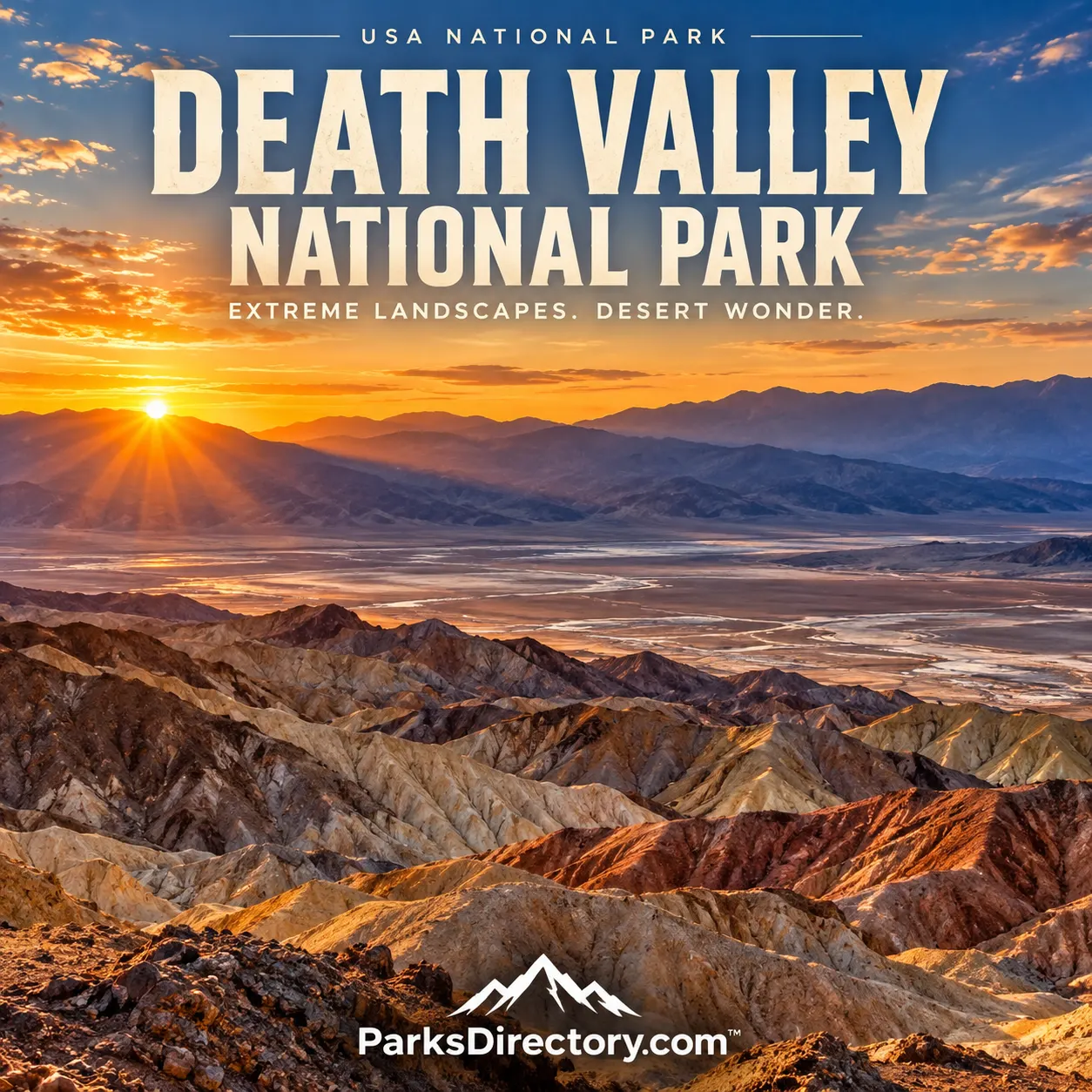
- Death Valley National Park — California and Nevada.
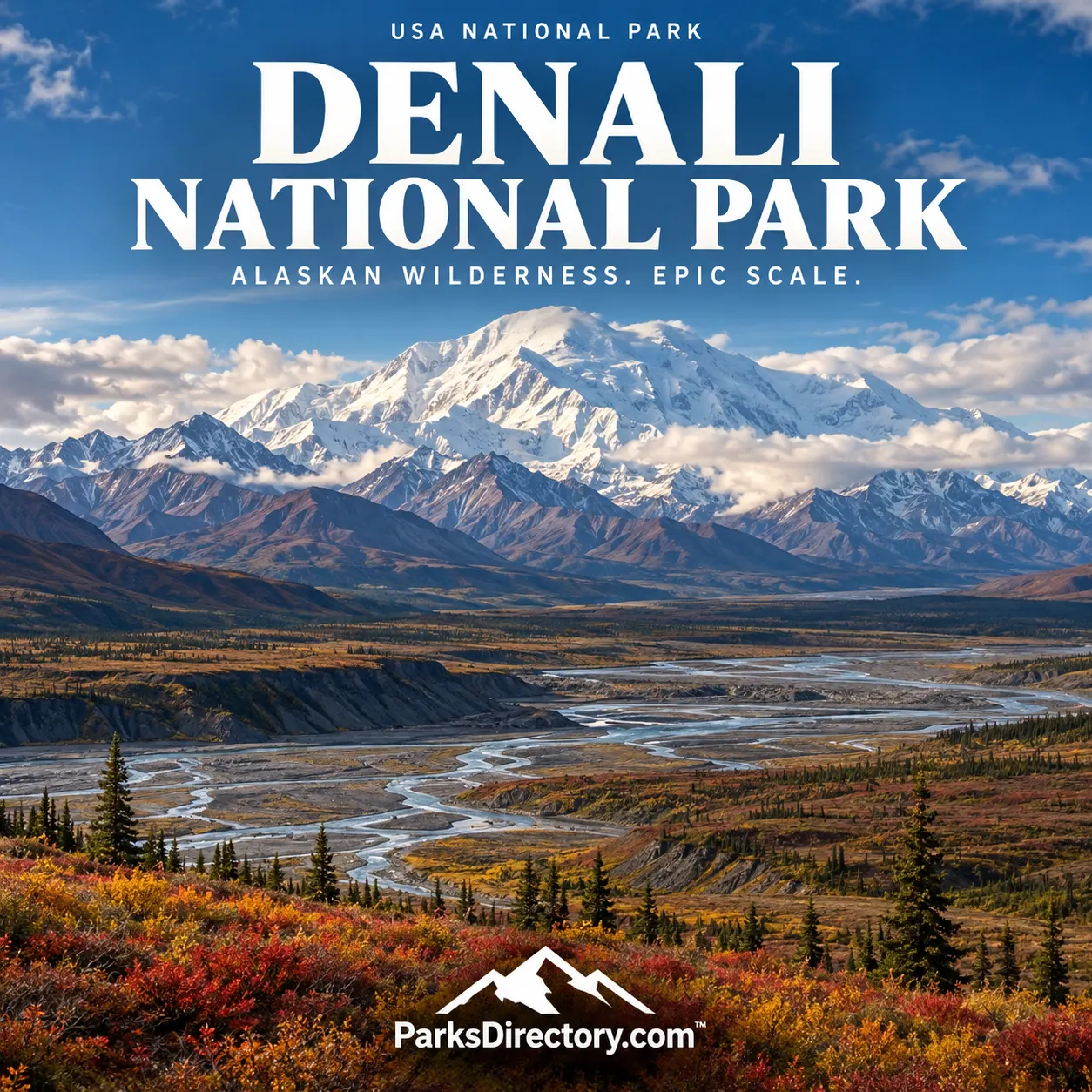
- Denali National Park — Alaska.
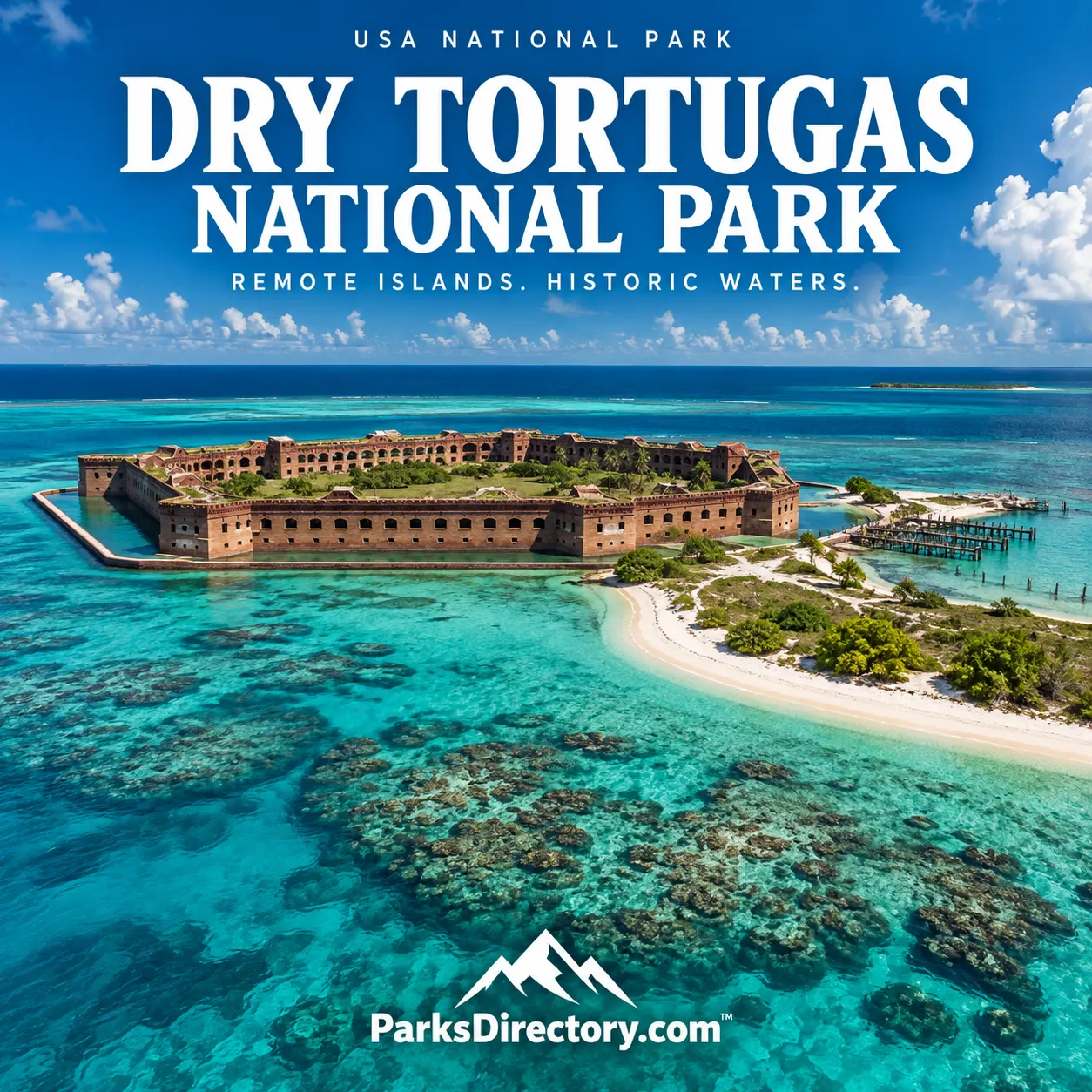
- Dry Tortugas National Park — Florida.
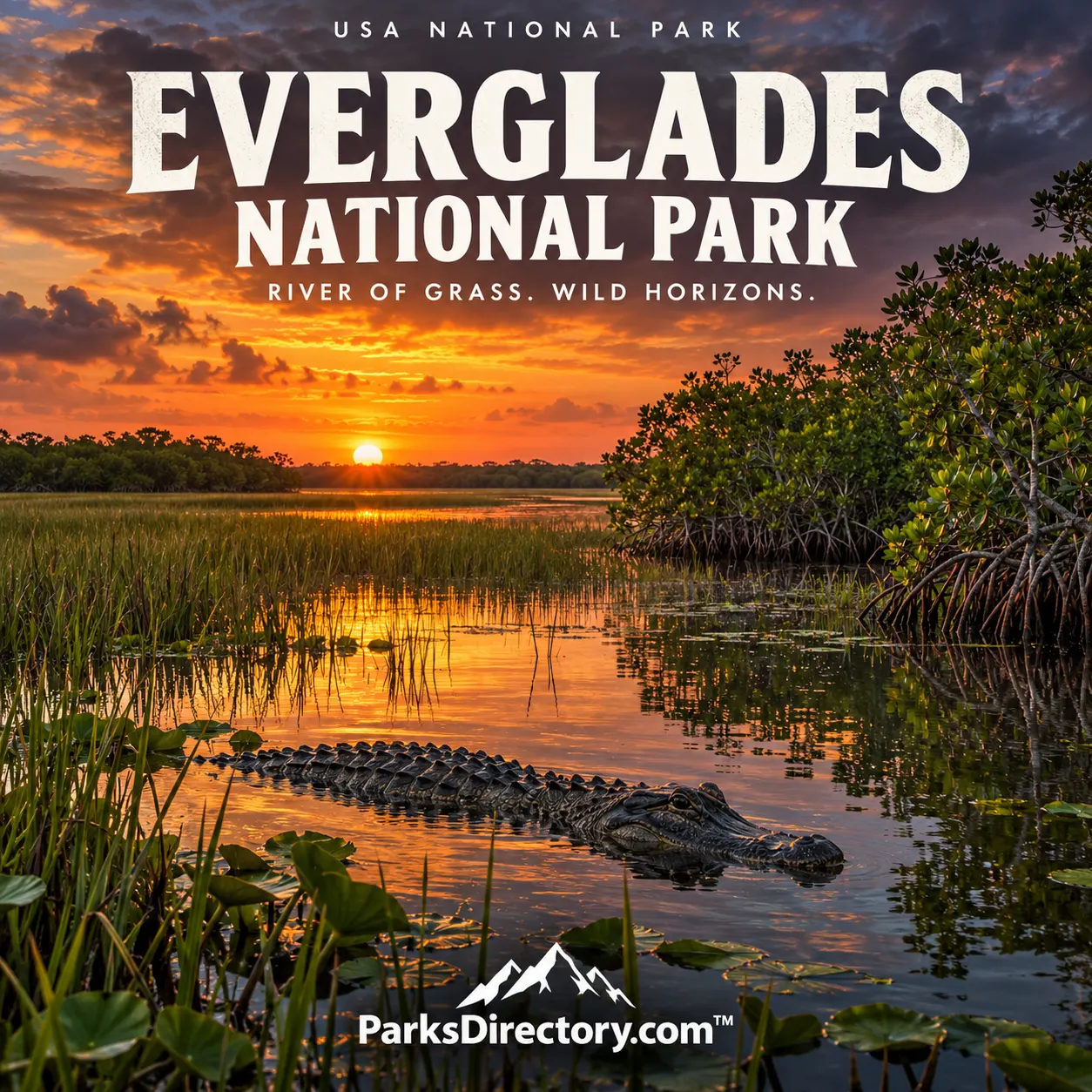
- Everglades National Park — Florida.
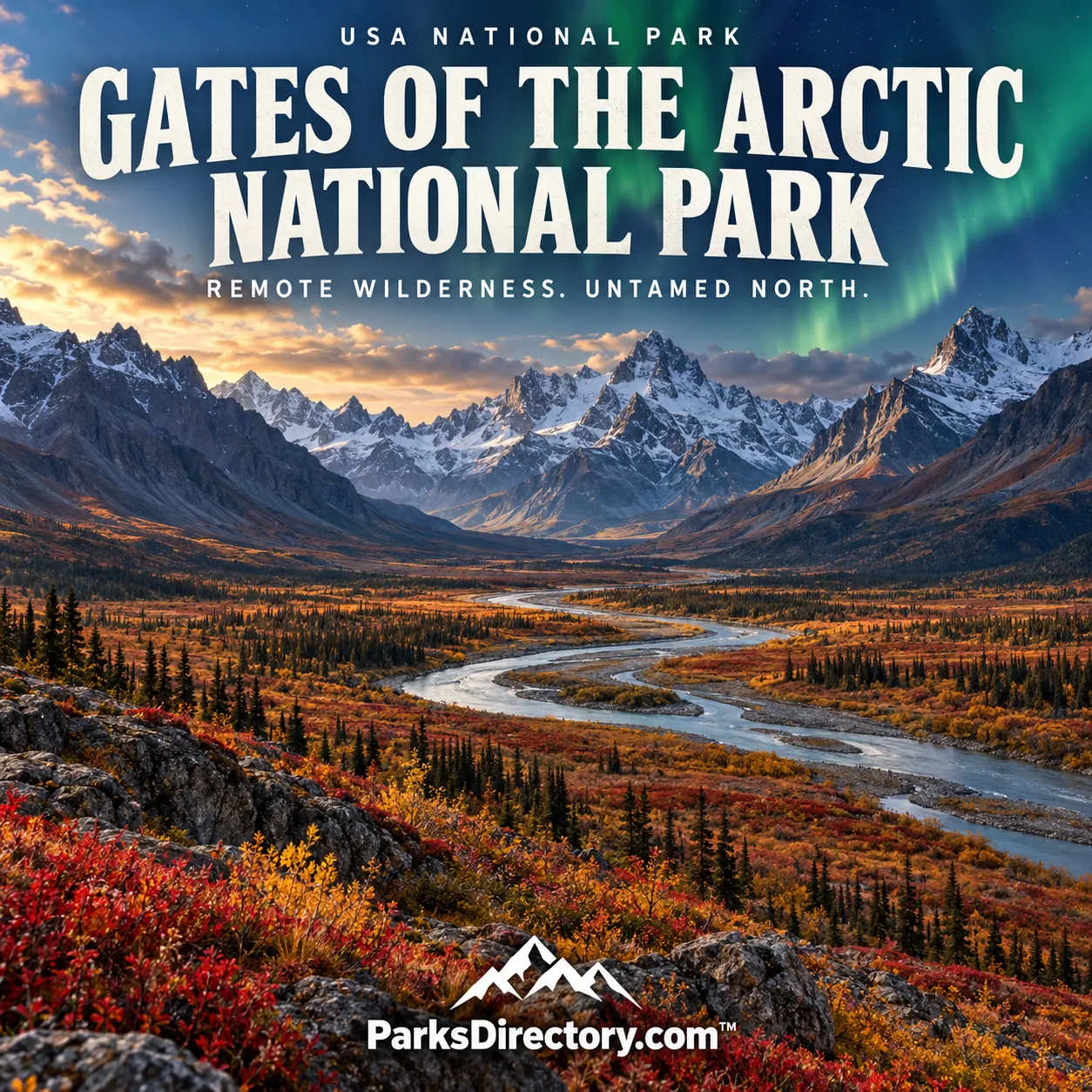
- Gates of the Arctic National Park — Alaska.
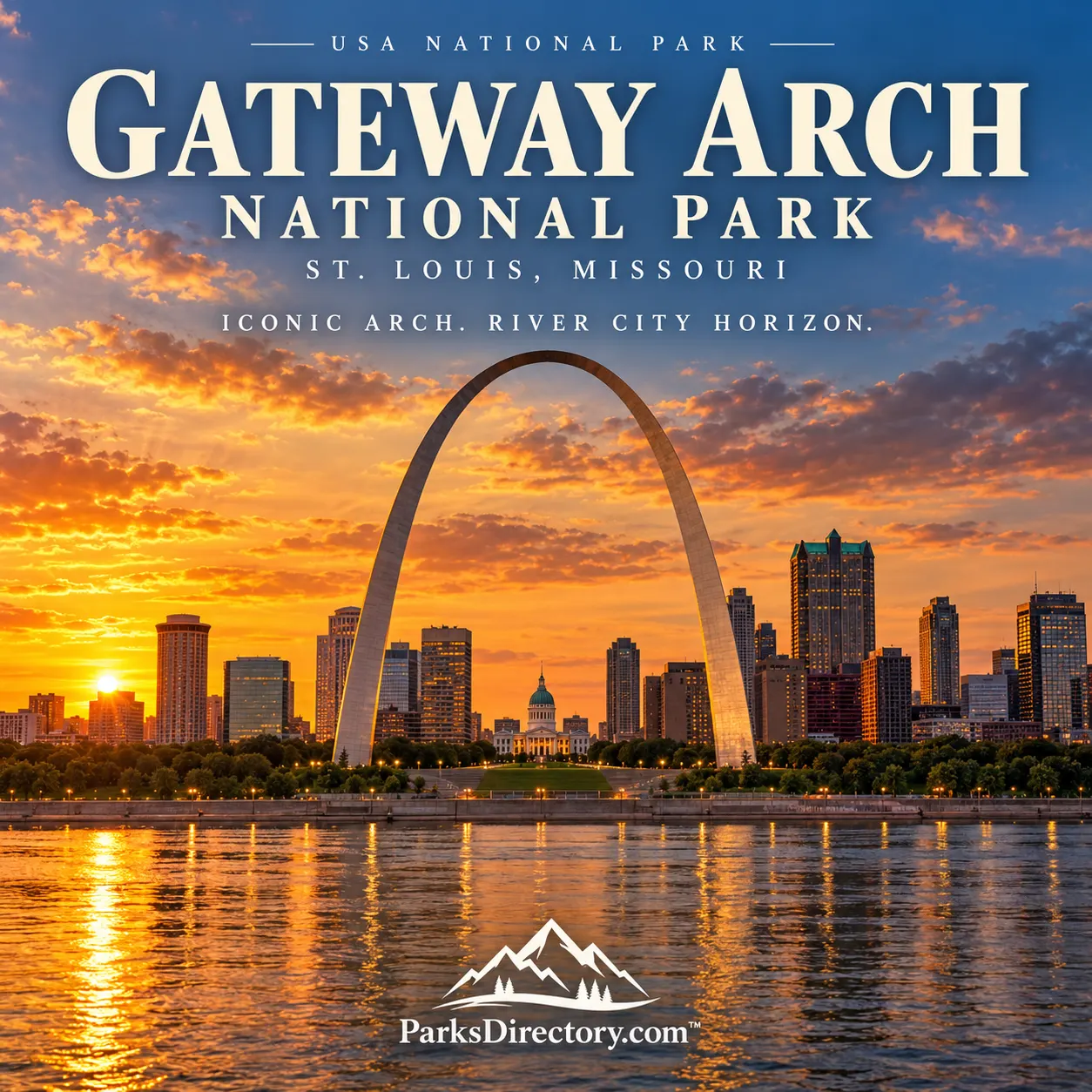
- Gateway Arch National Park — Missouri and Illinois.
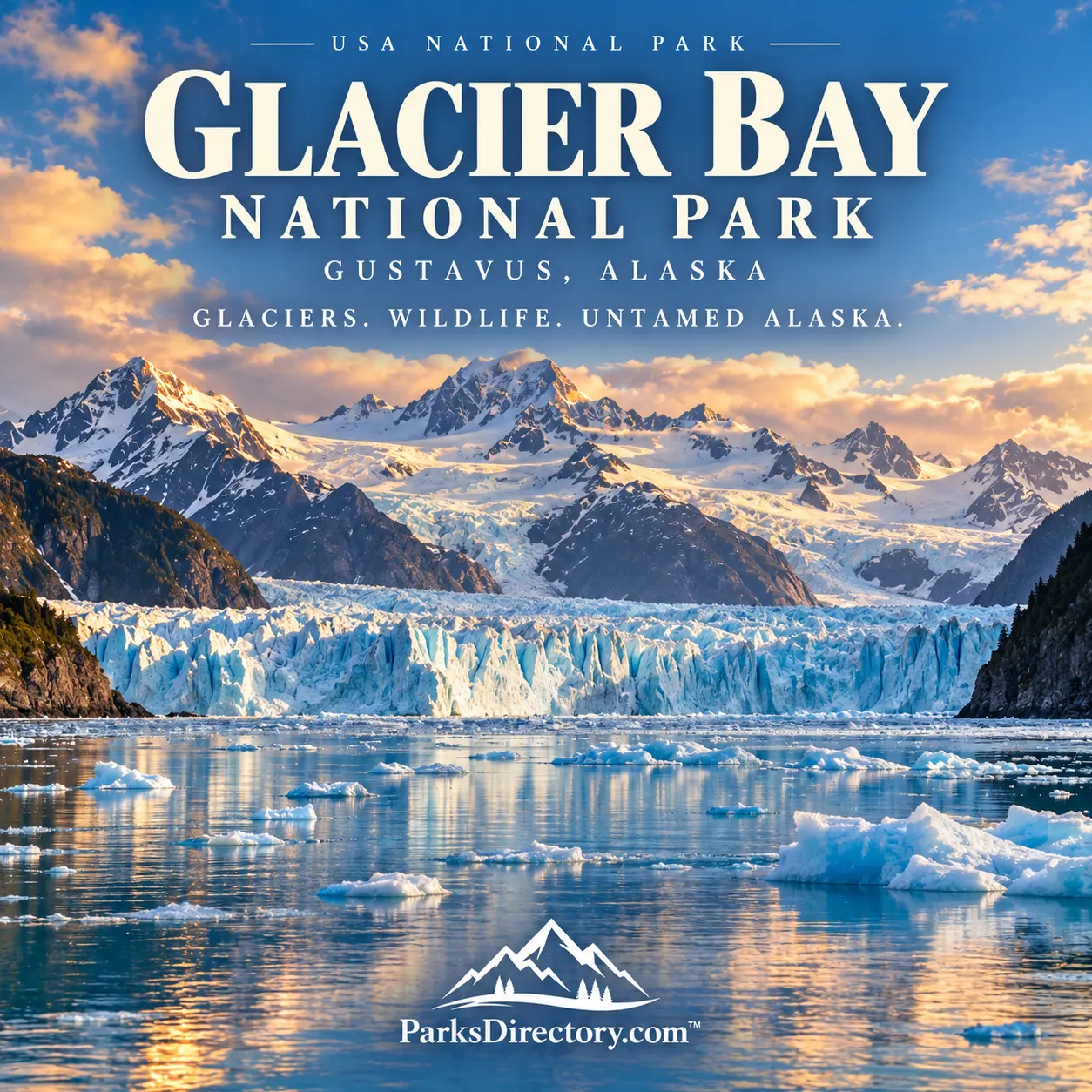
- Glacier Bay National Park — Alaska.
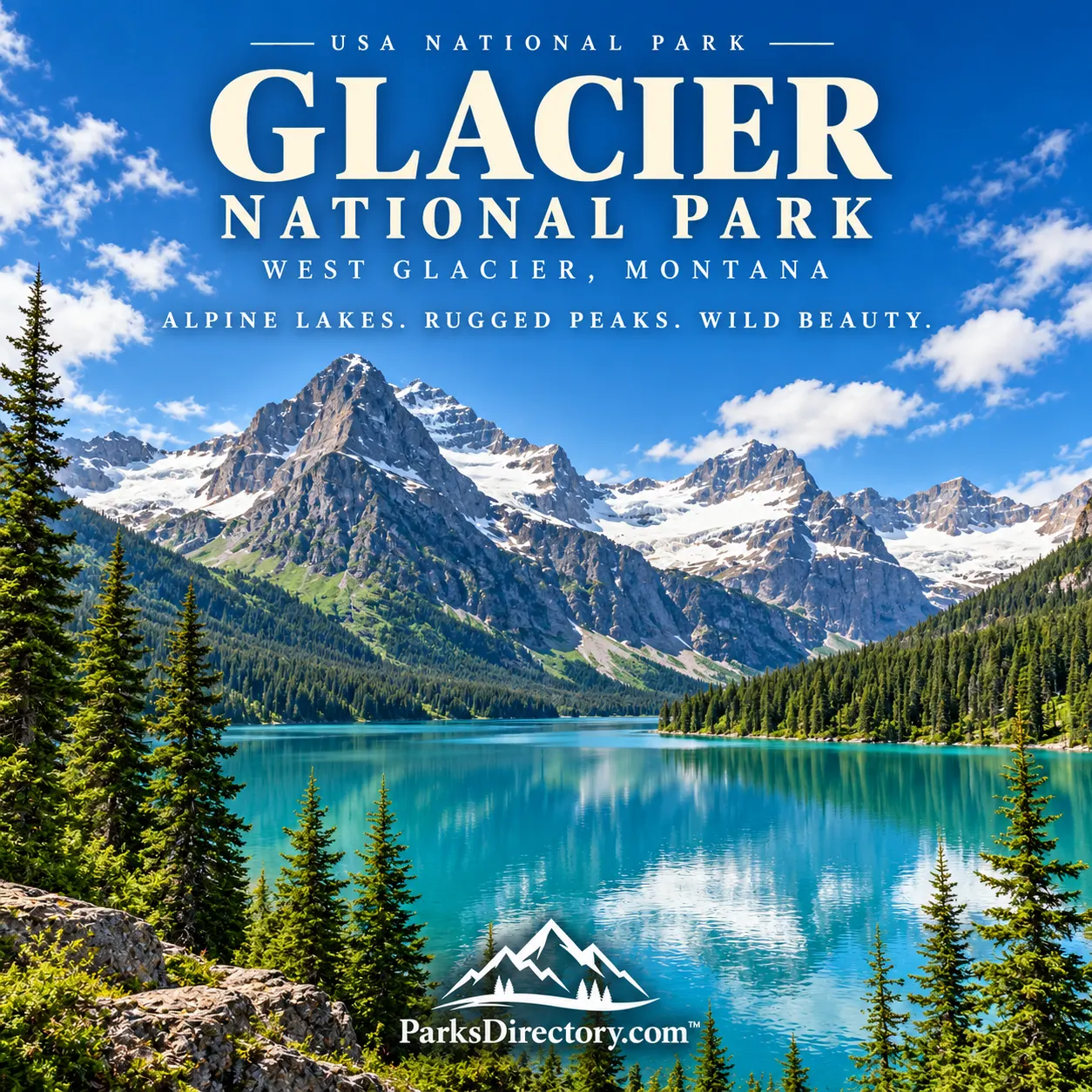
- Glacier National Park — Montana.
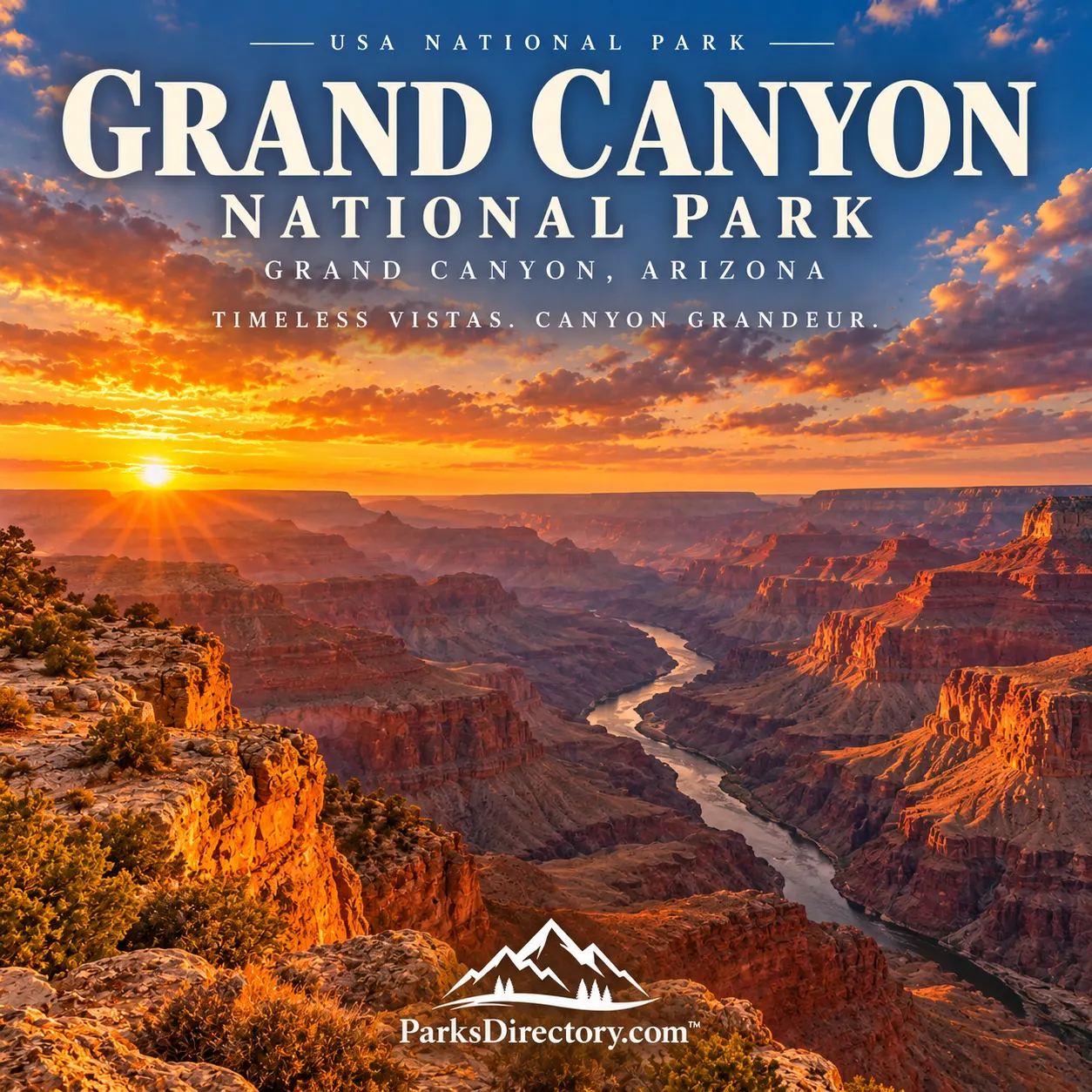
- Grand Canyon National Park — Arizona.
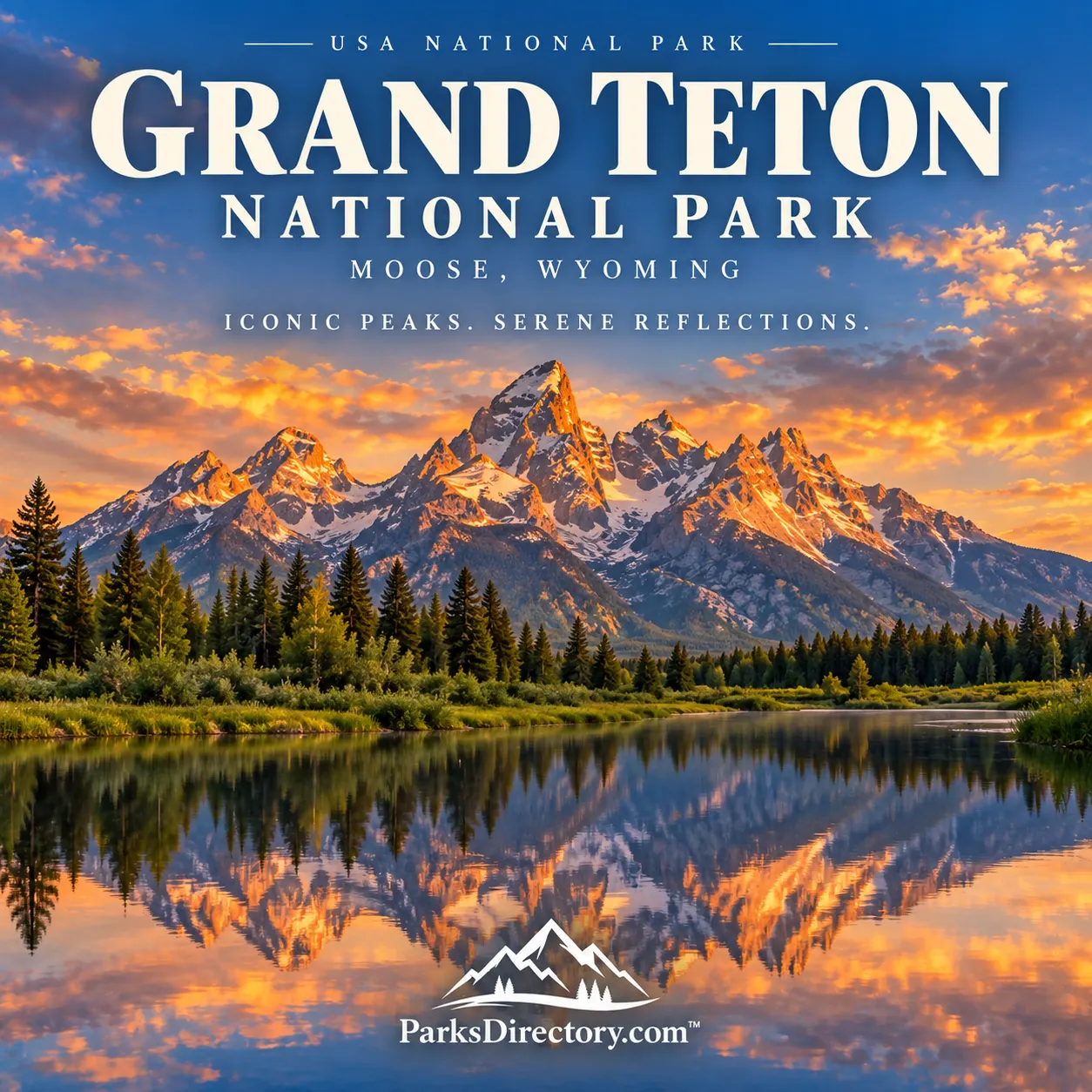
- Grand Teton National Park — Wyoming.
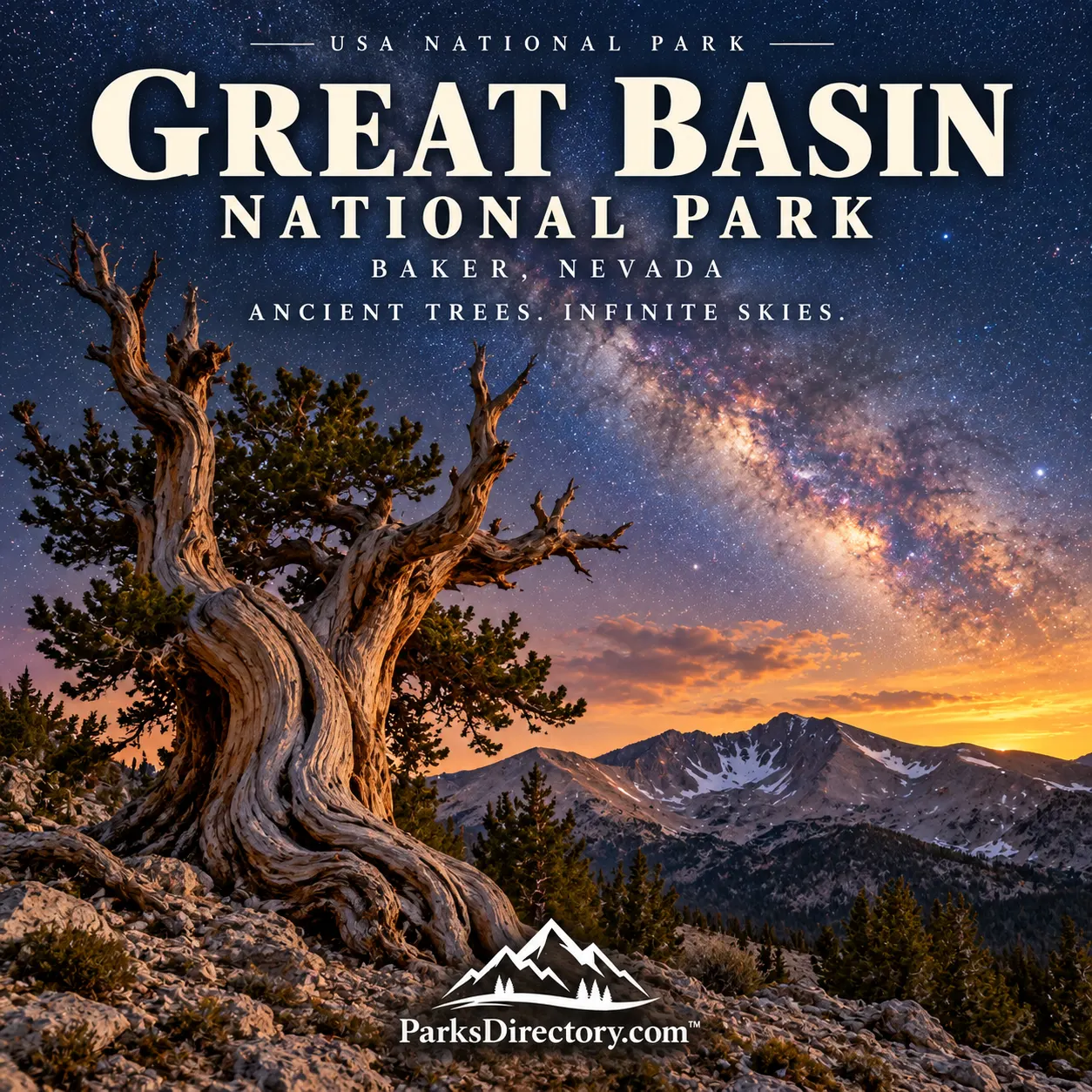
- Great Basin National Park — Nevada.
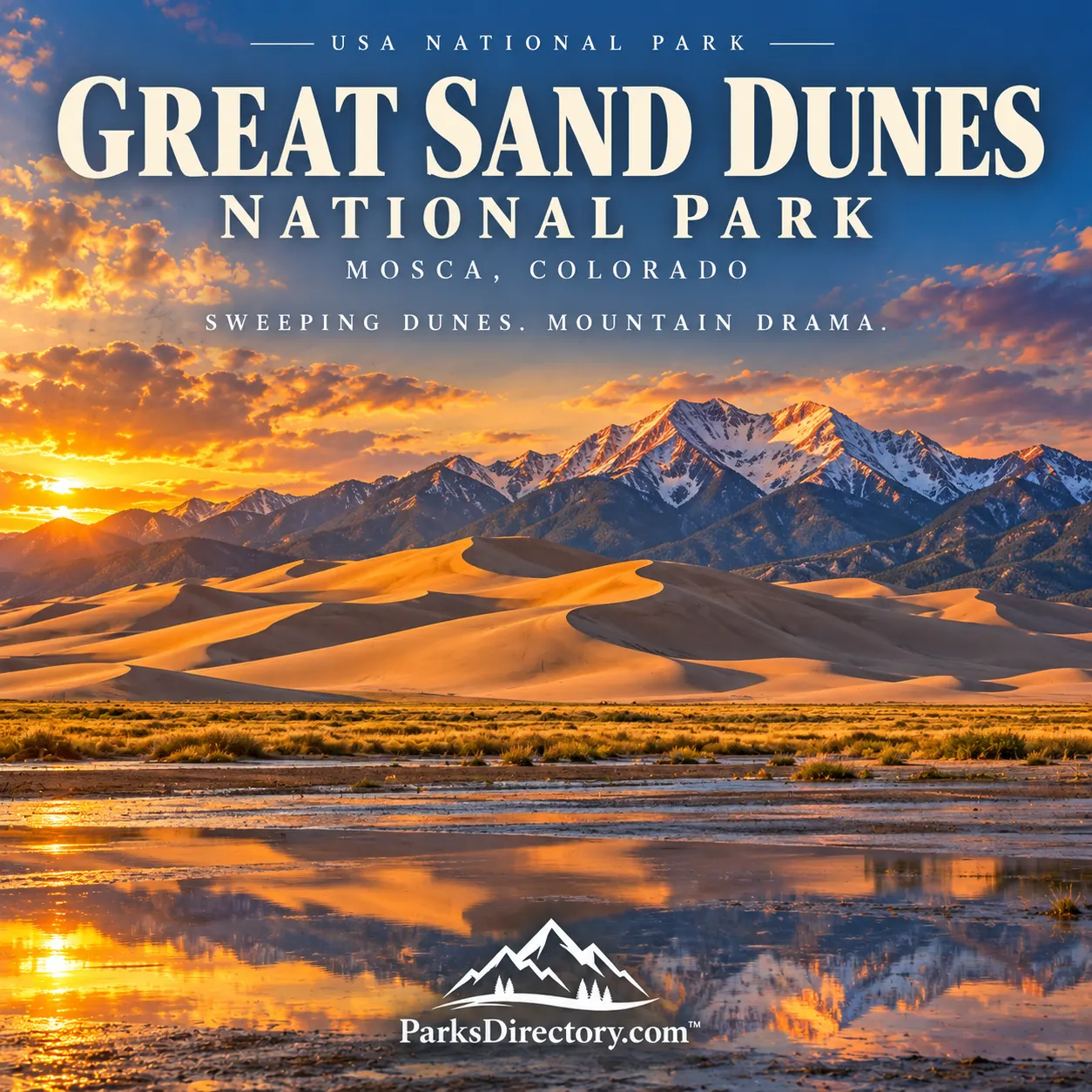
- Great Sand Dunes National Park — Colorado.
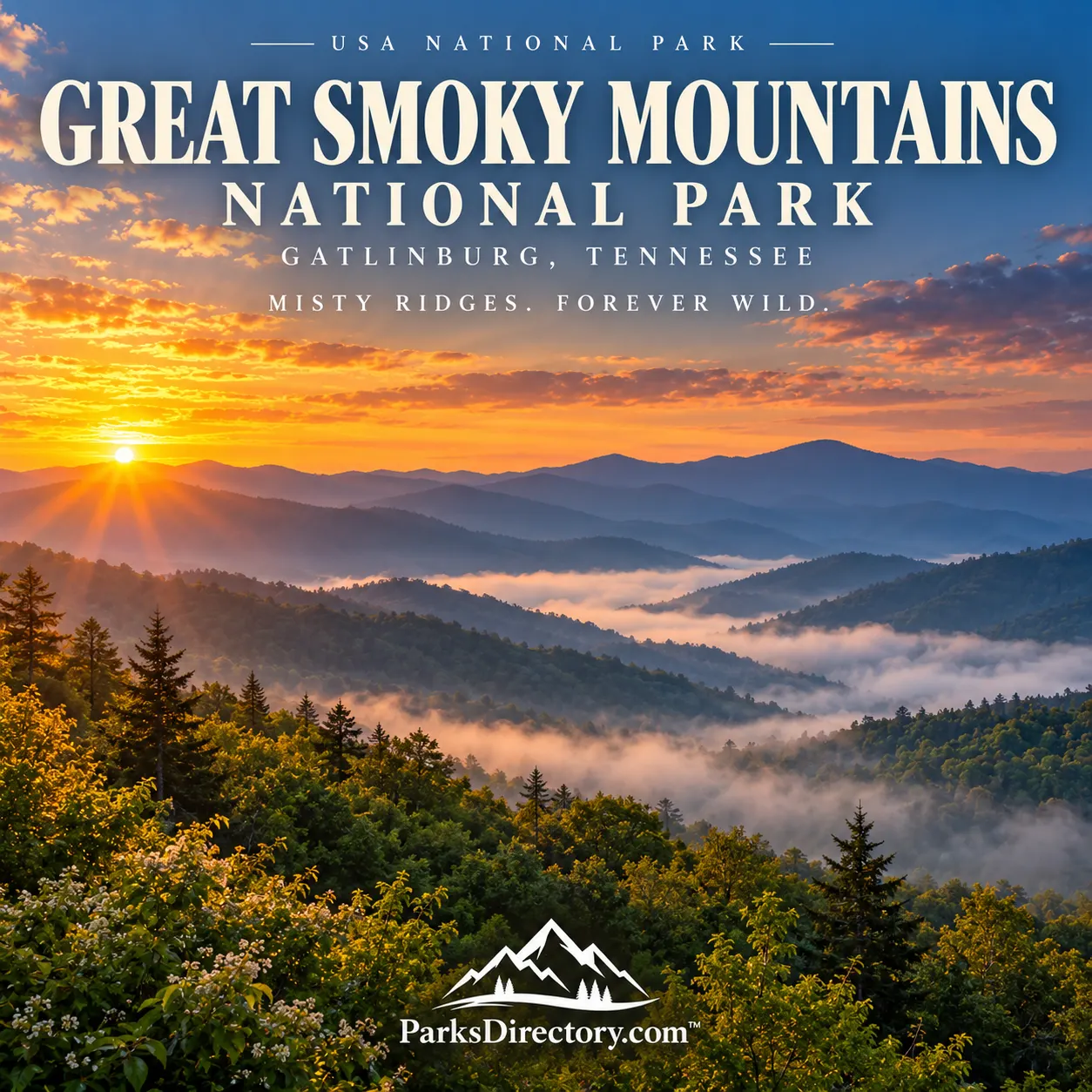
- Great Smoky Mountains National Park — North Carolina and Tennessee.
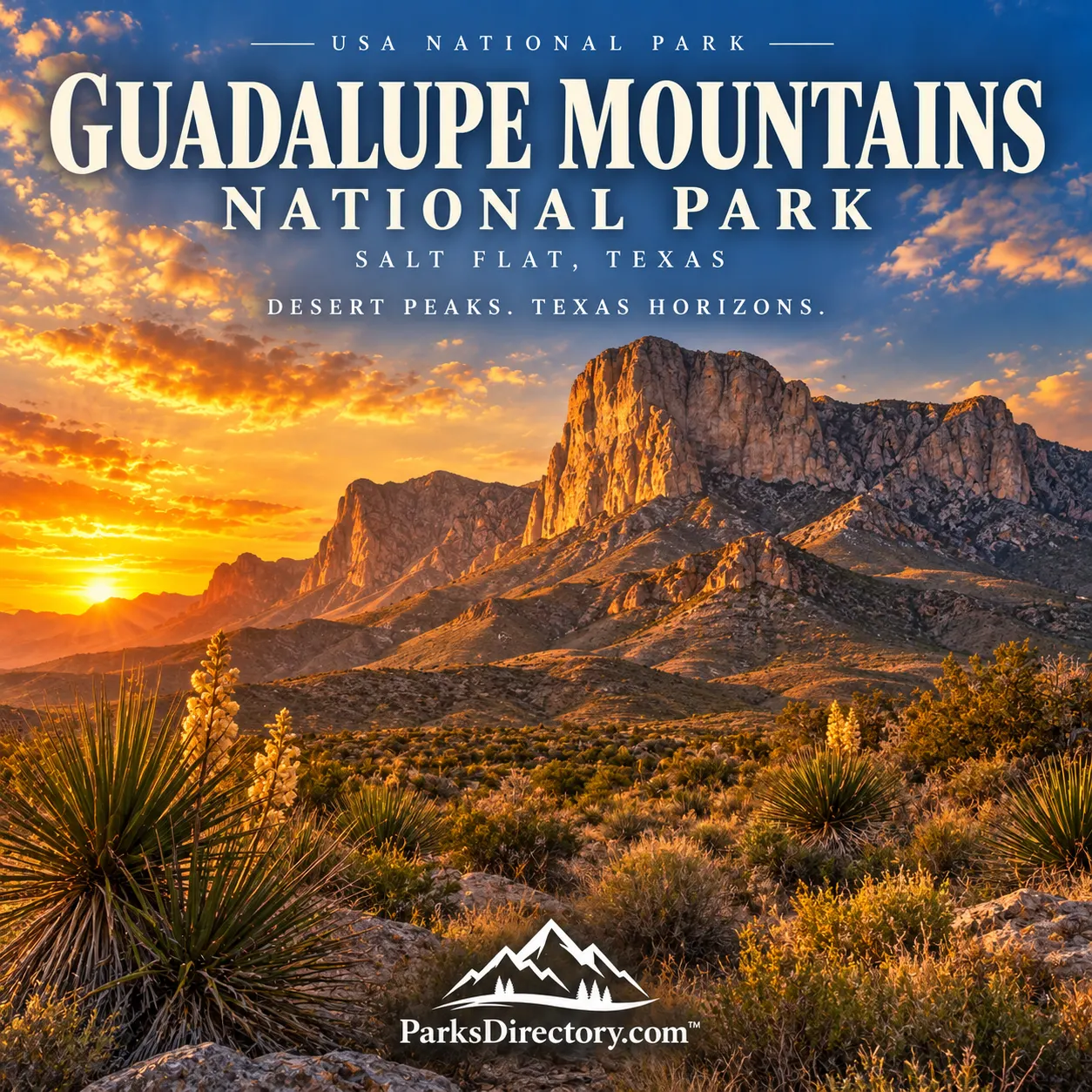
- Guadalupe Mountains National Park — Texas.
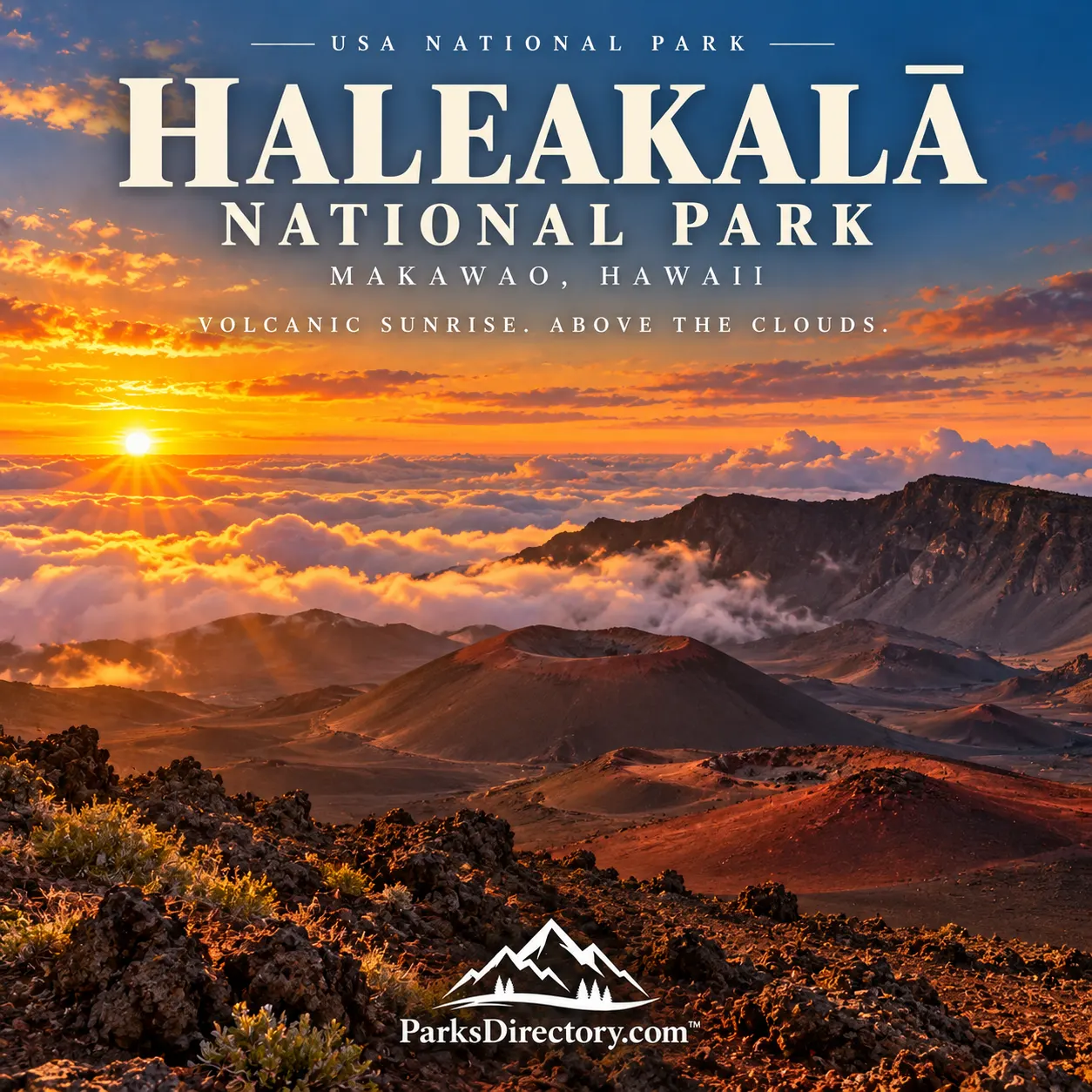
- Haleakalā National Park — Hawaii.
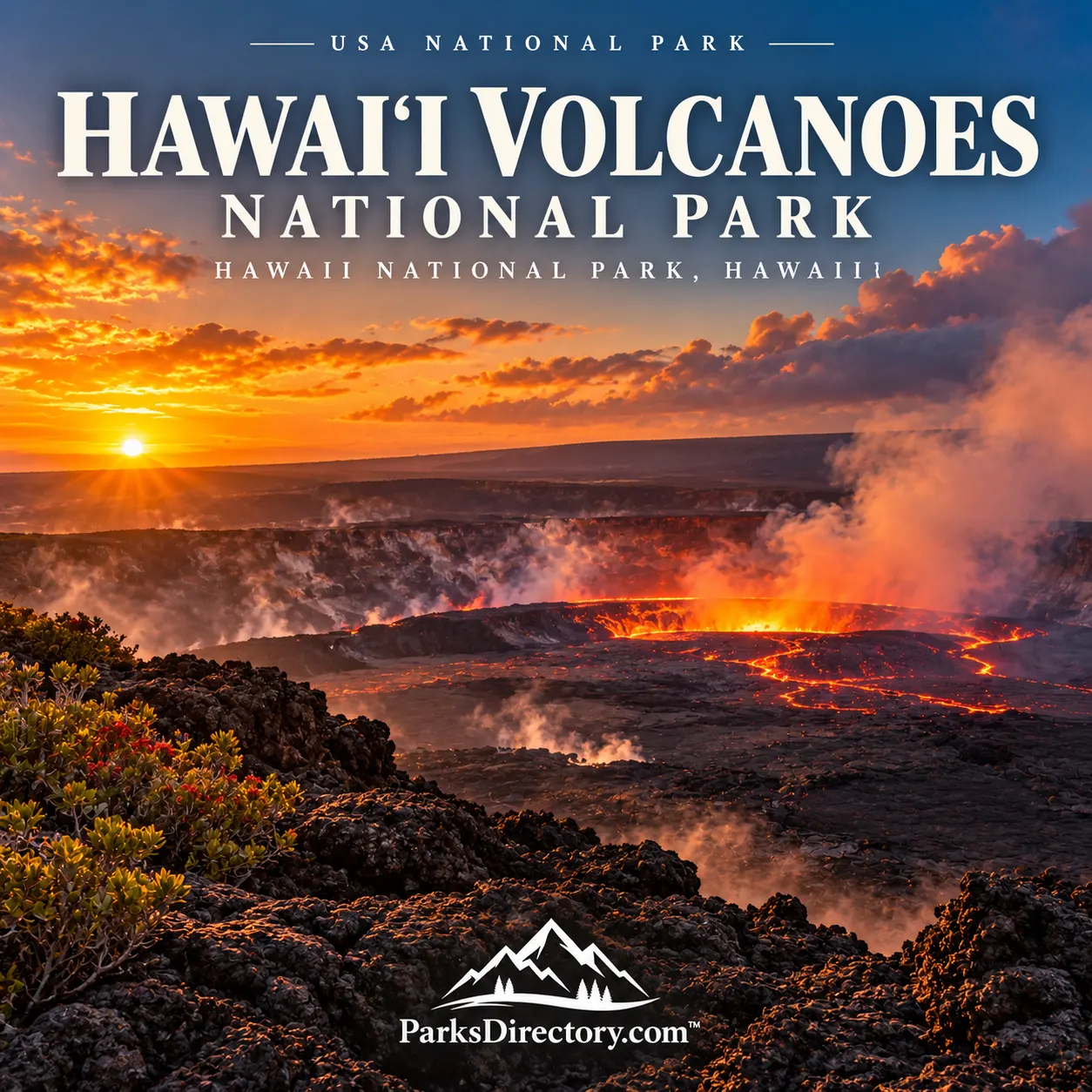
- Hawaiʻi Volcanoes National Park — Hawaii.
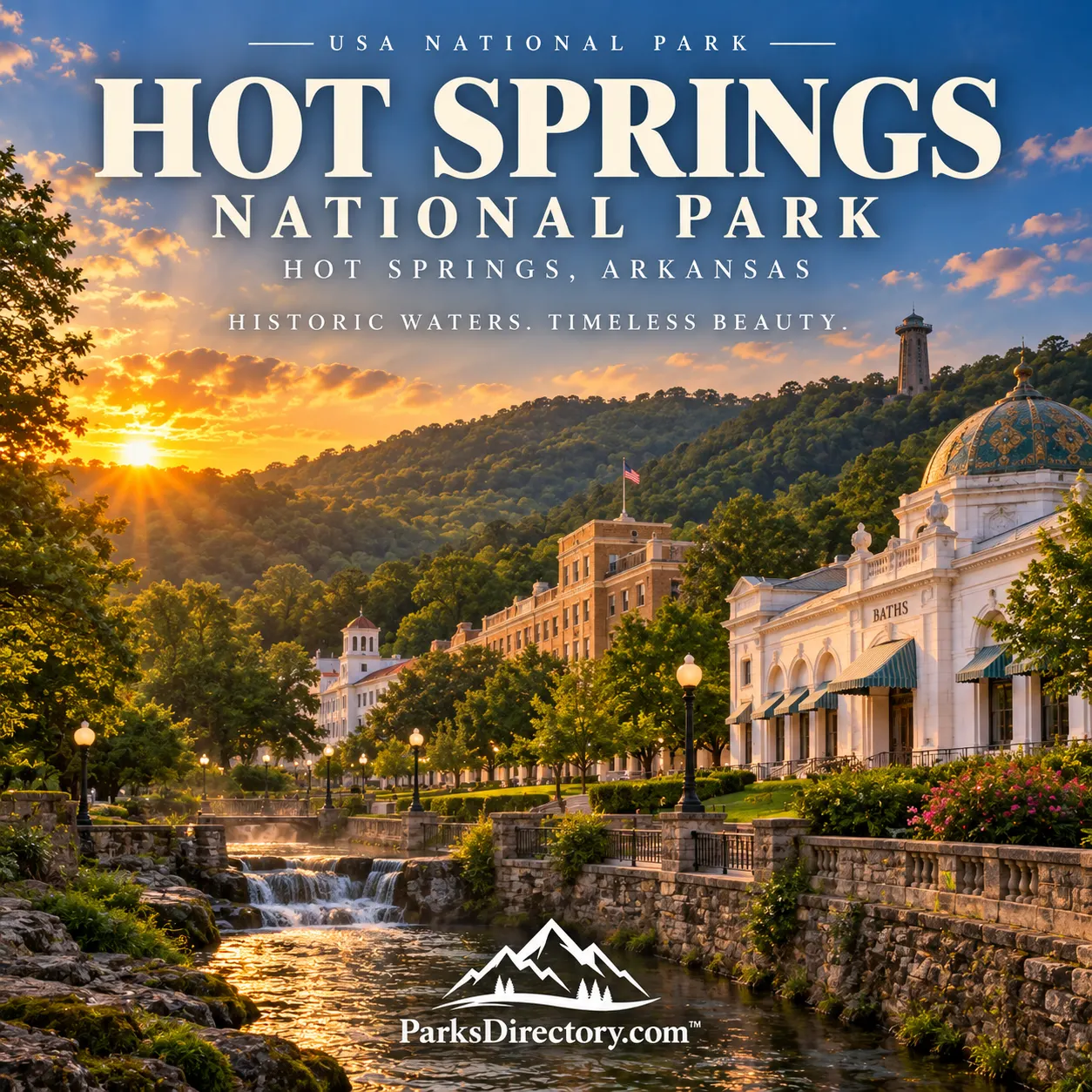
- Hot Springs National Park — Arkansas.
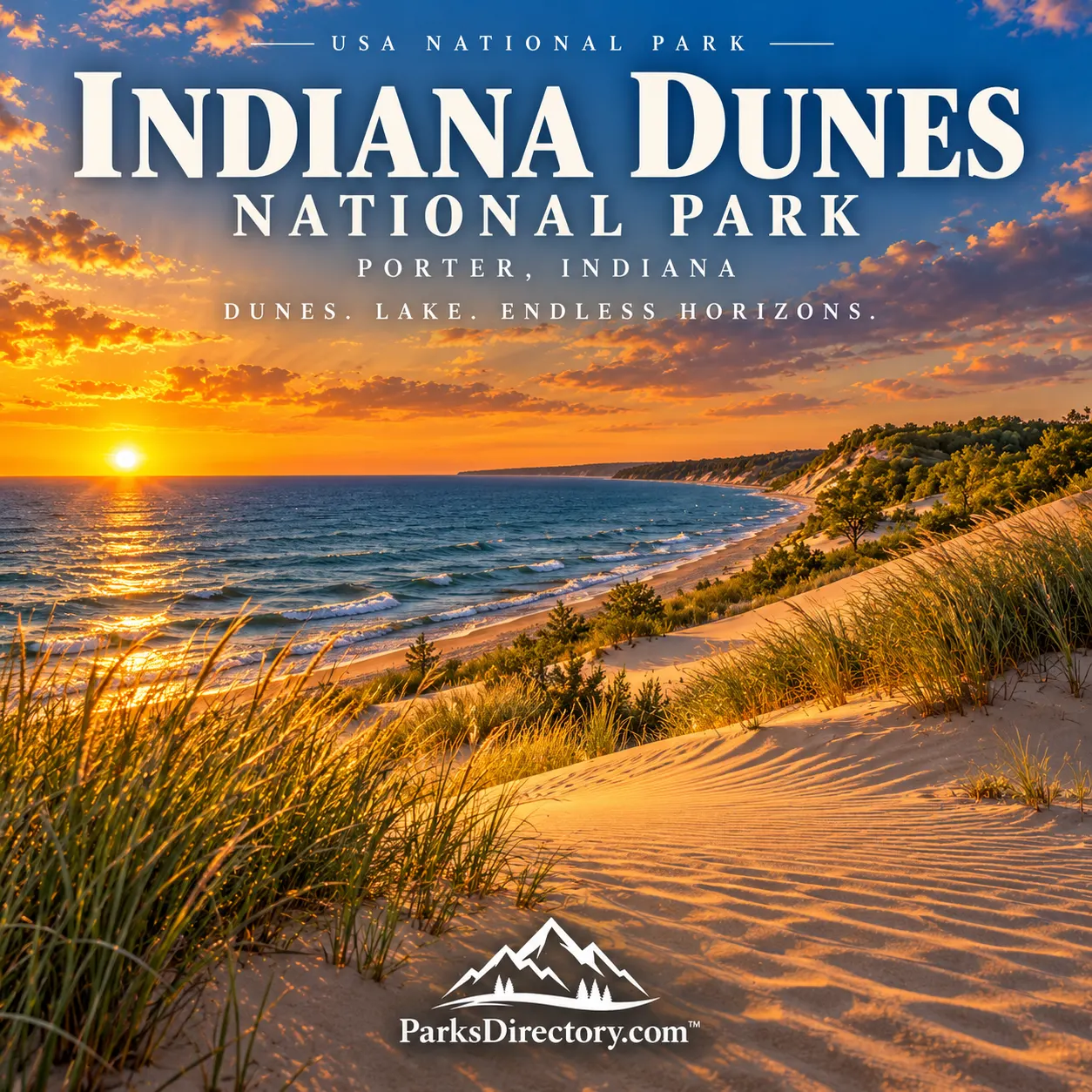
- Indiana Dunes National Park — Indiana.
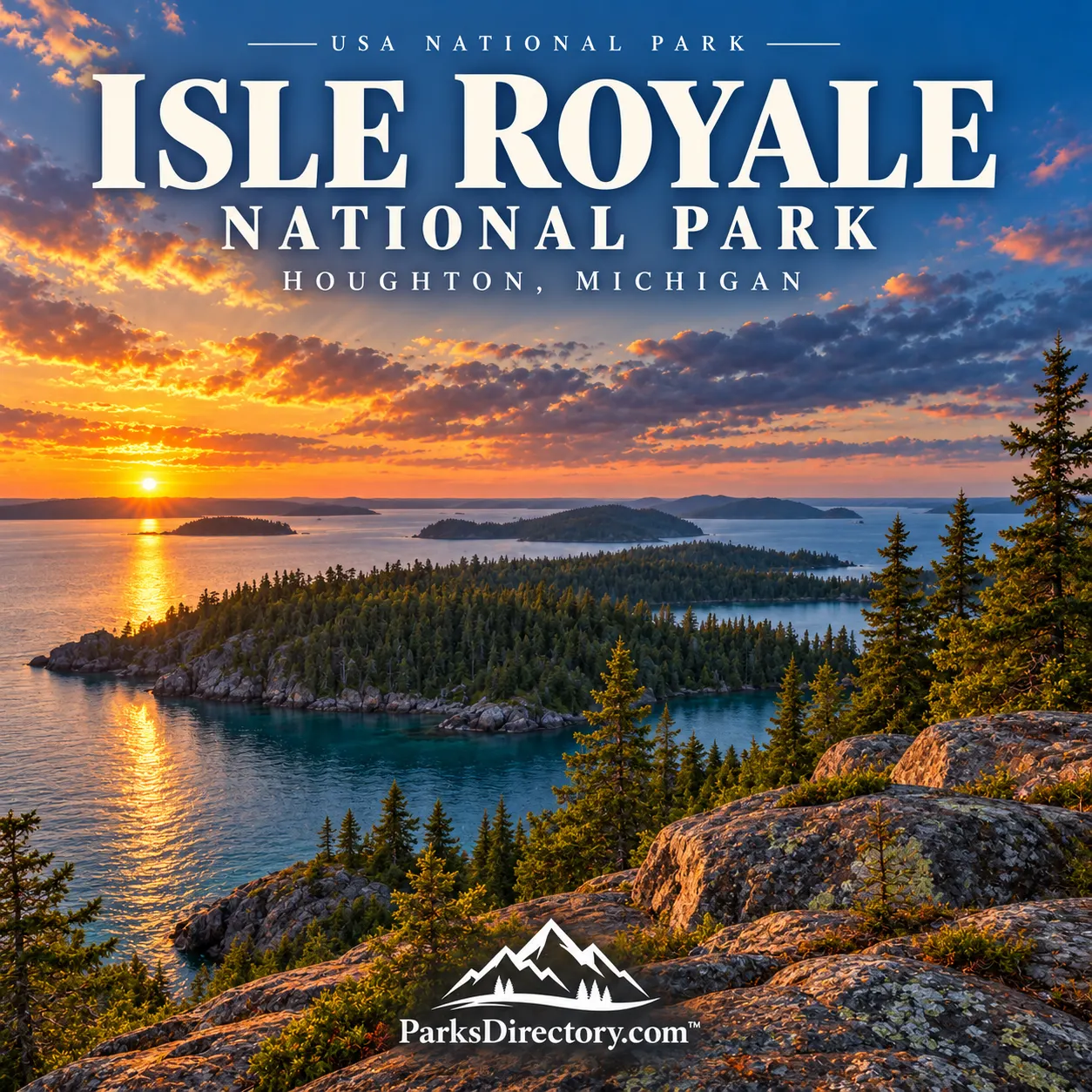
- Isle Royale National Park — Michigan.
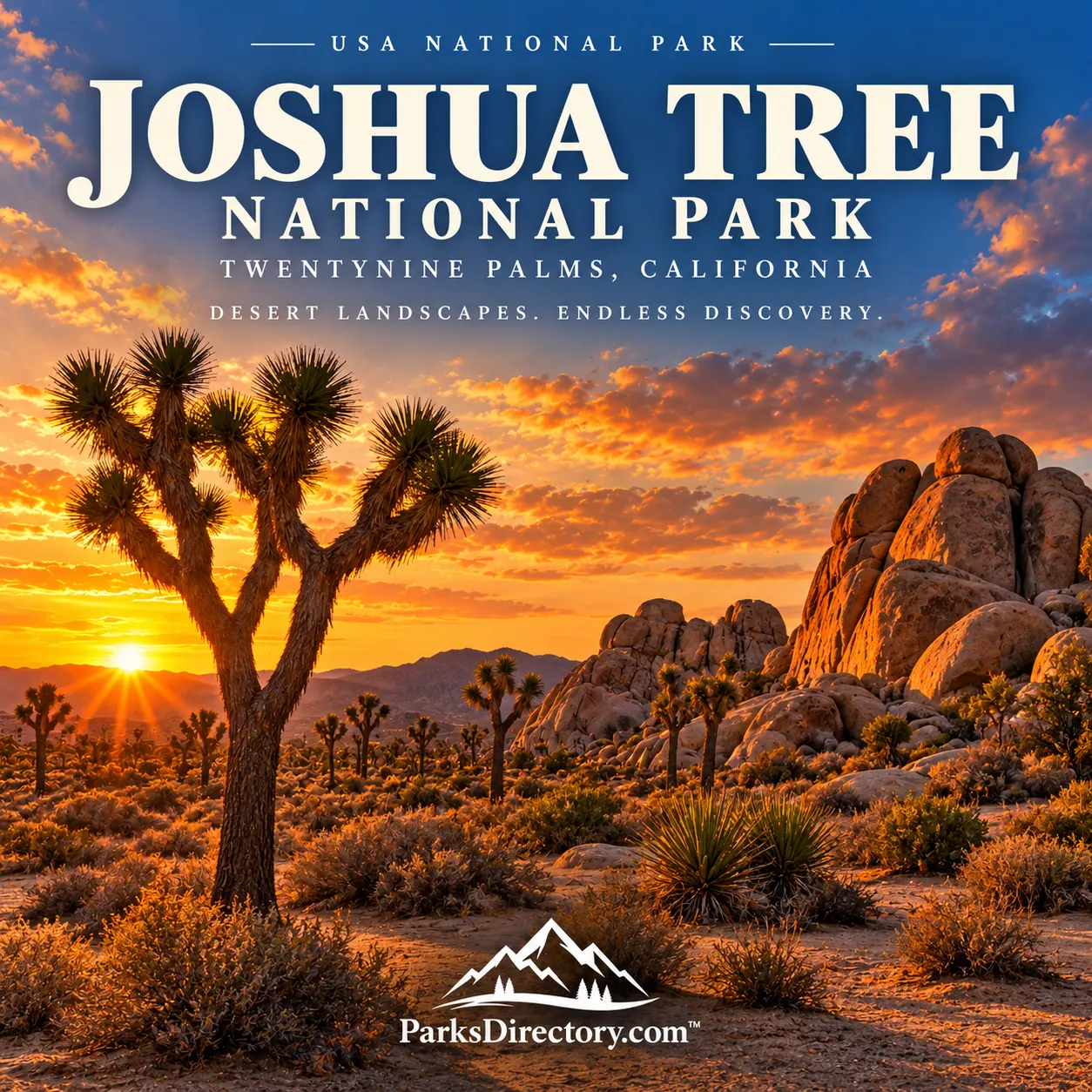
- Joshua Tree National Park — California.
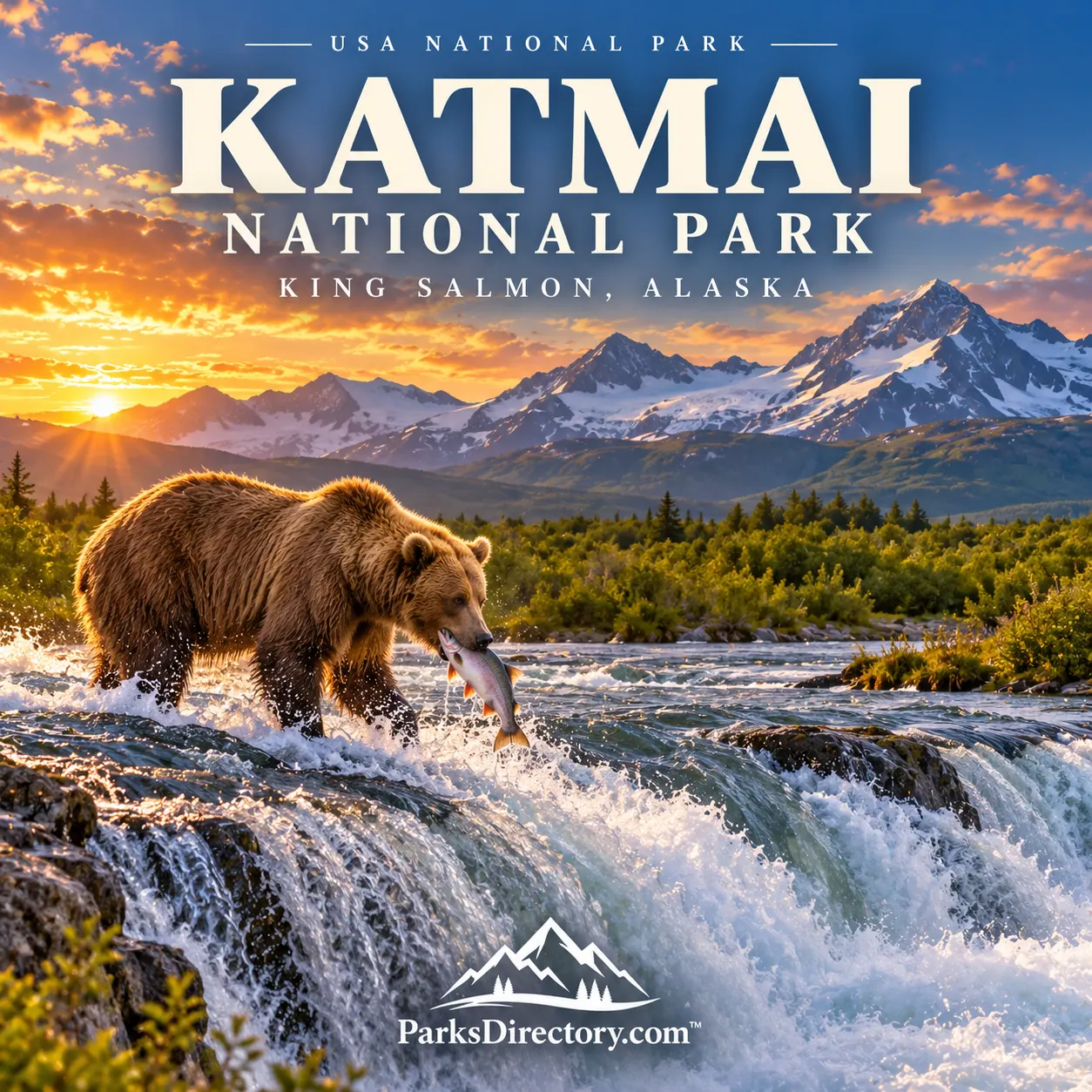
- Katmai National Park — Alaska.
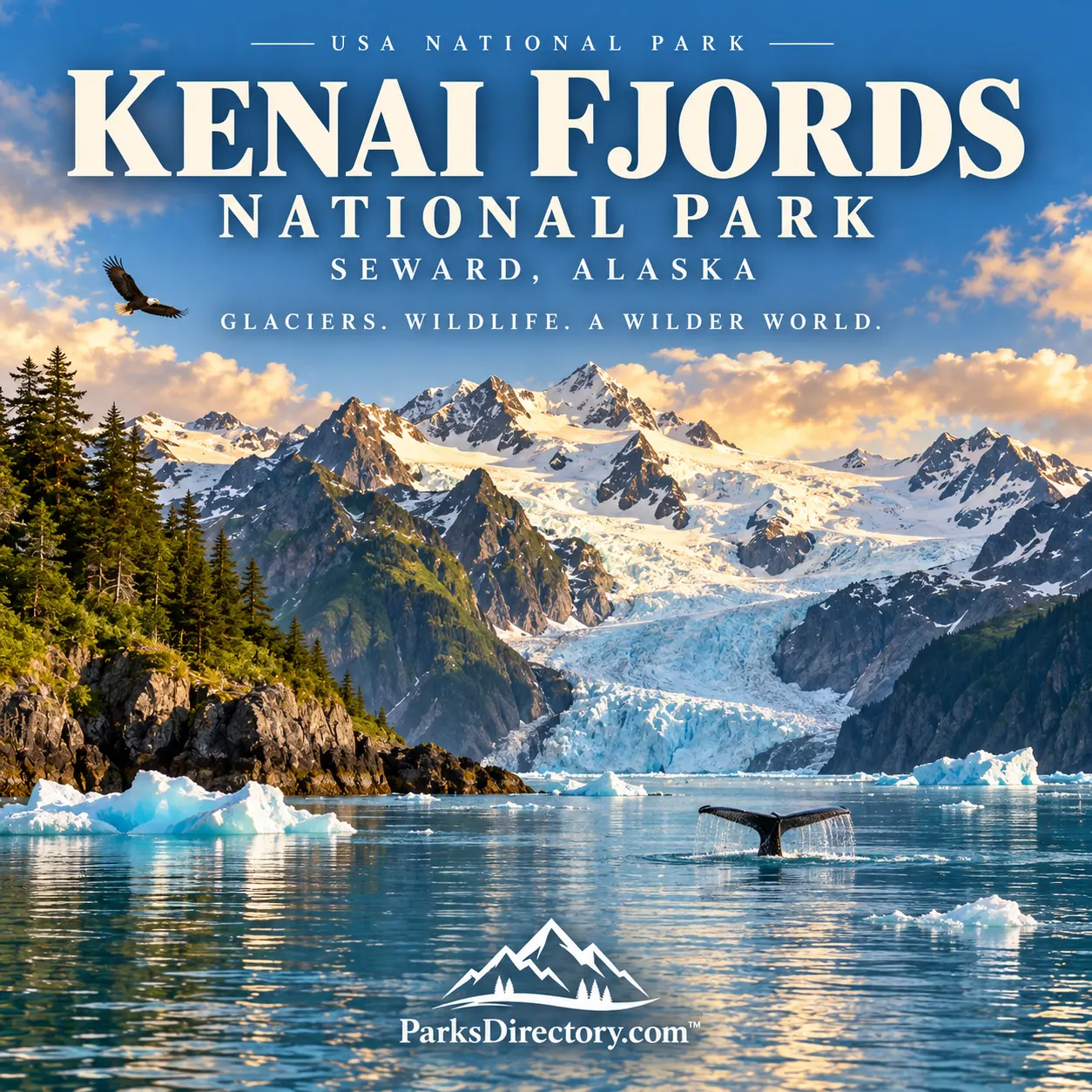
- Kenai Fjords National Park — Alaska.
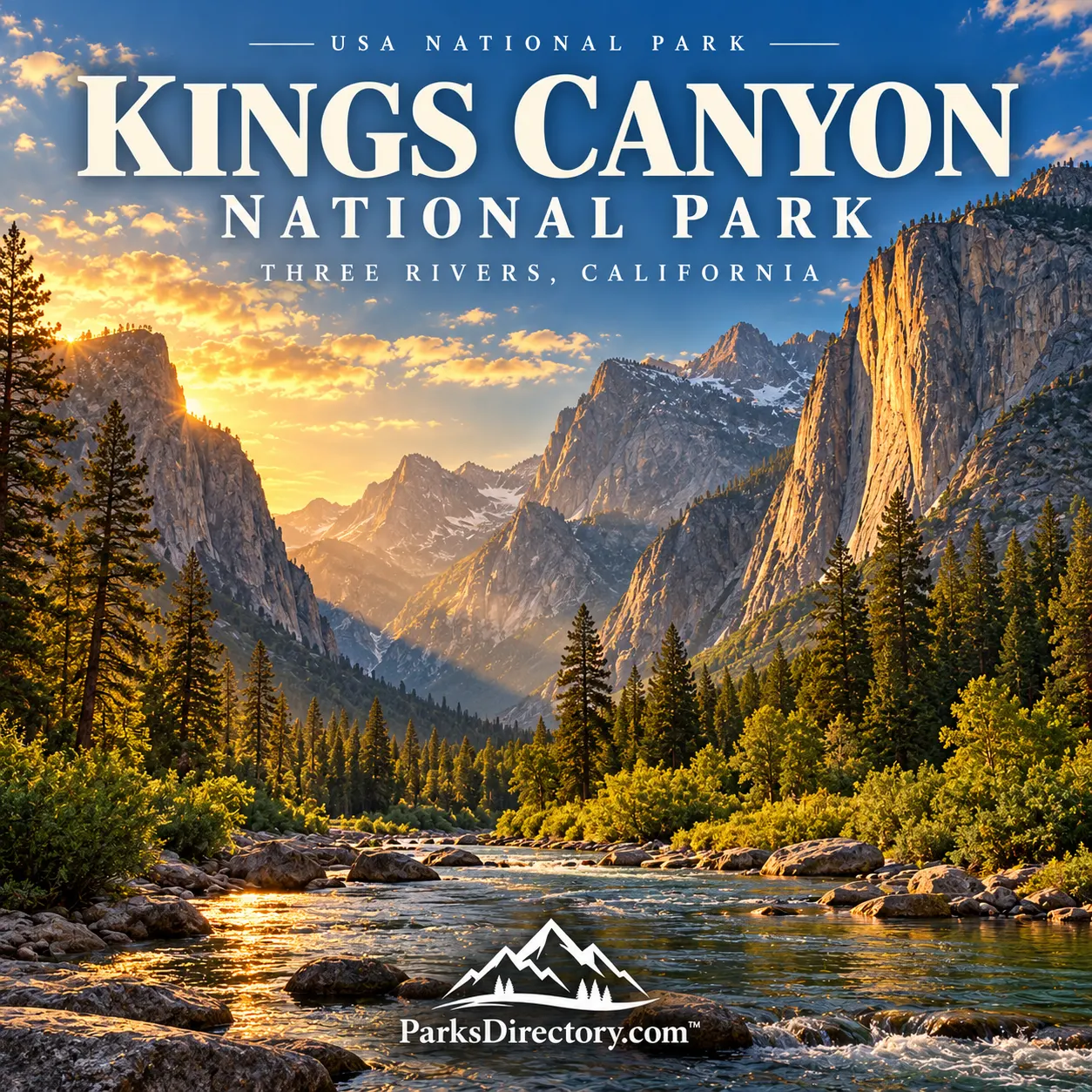
- Kings Canyon National Park — California.
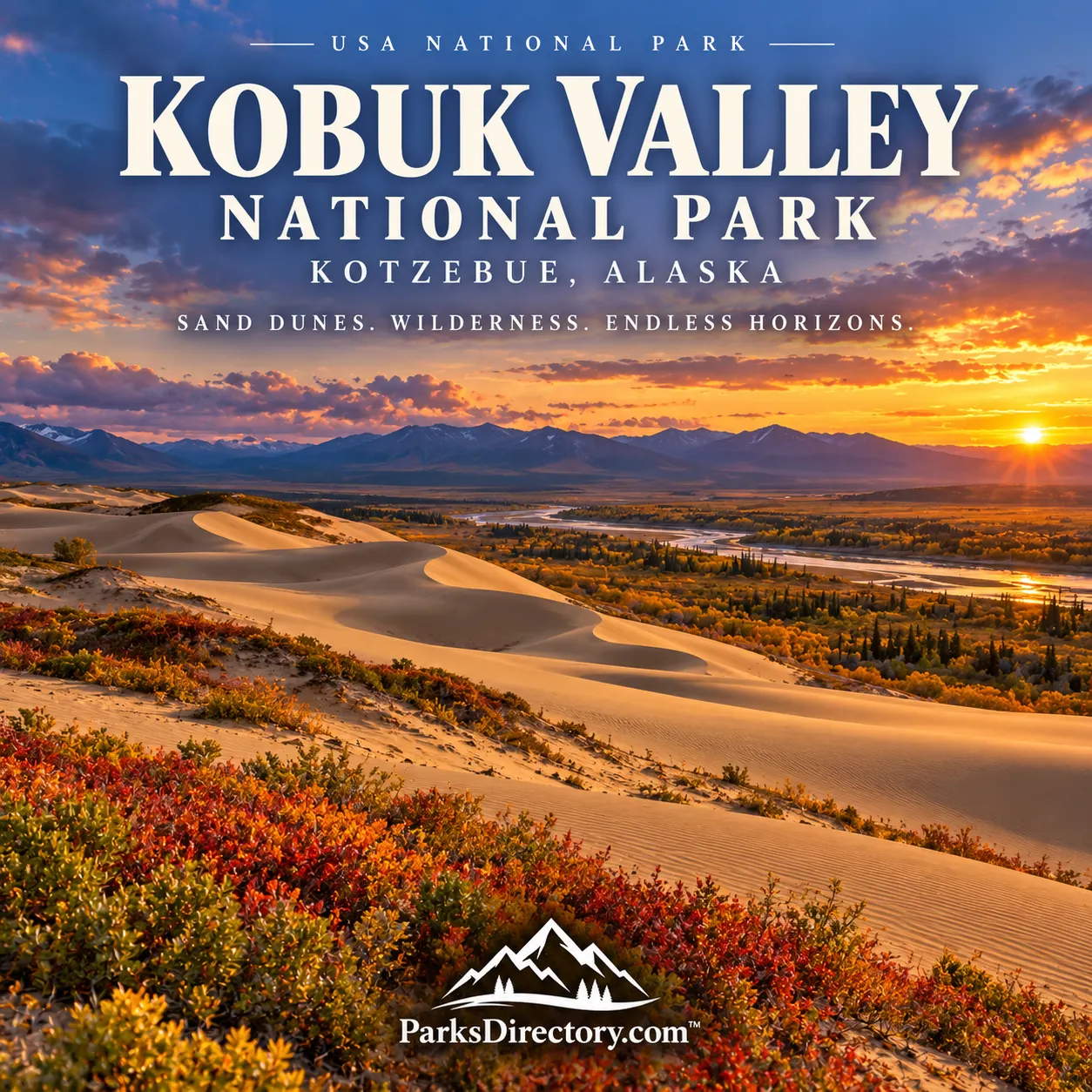
- Kobuk Valley National Park — Alaska.
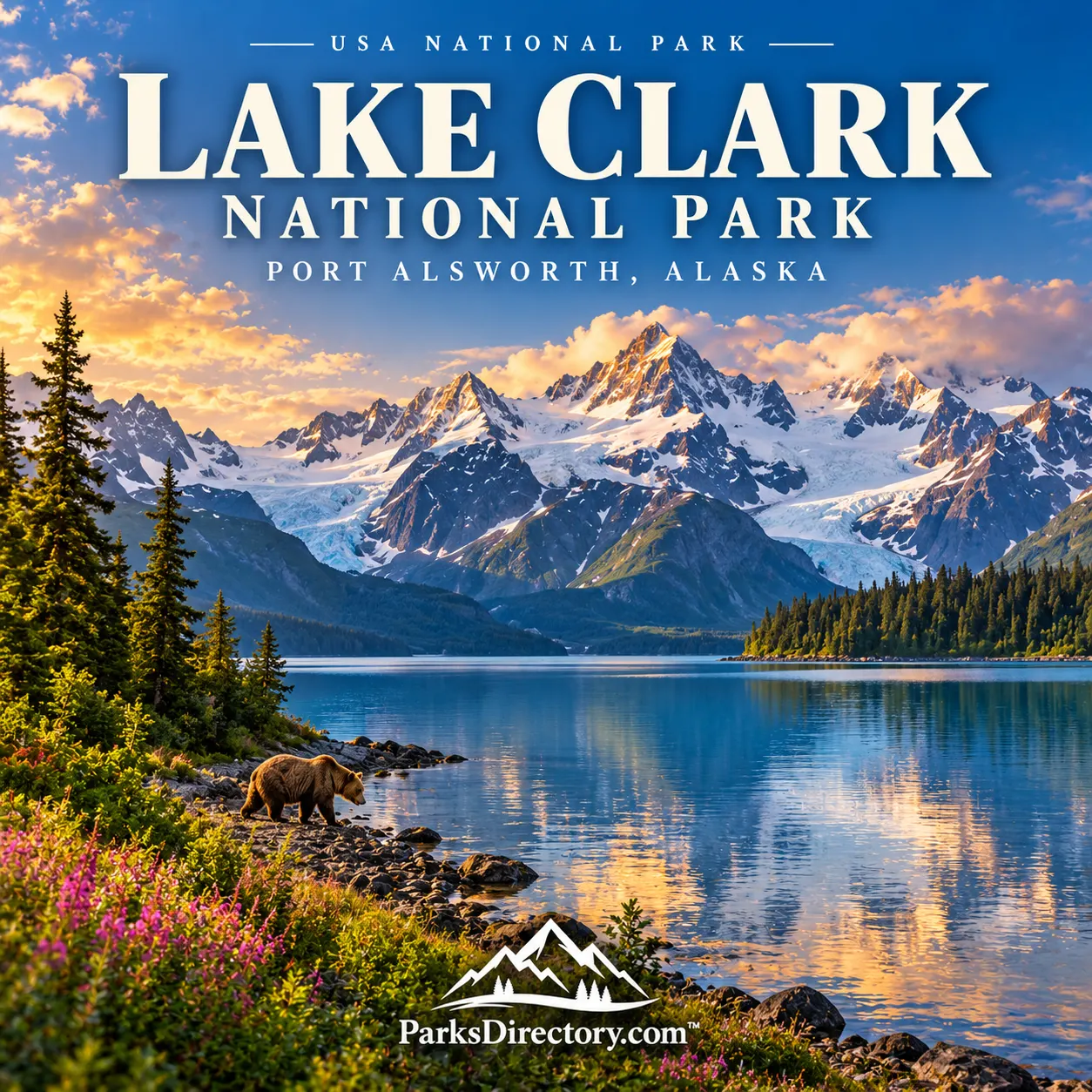
- Lake Clark National Park — Alaska.
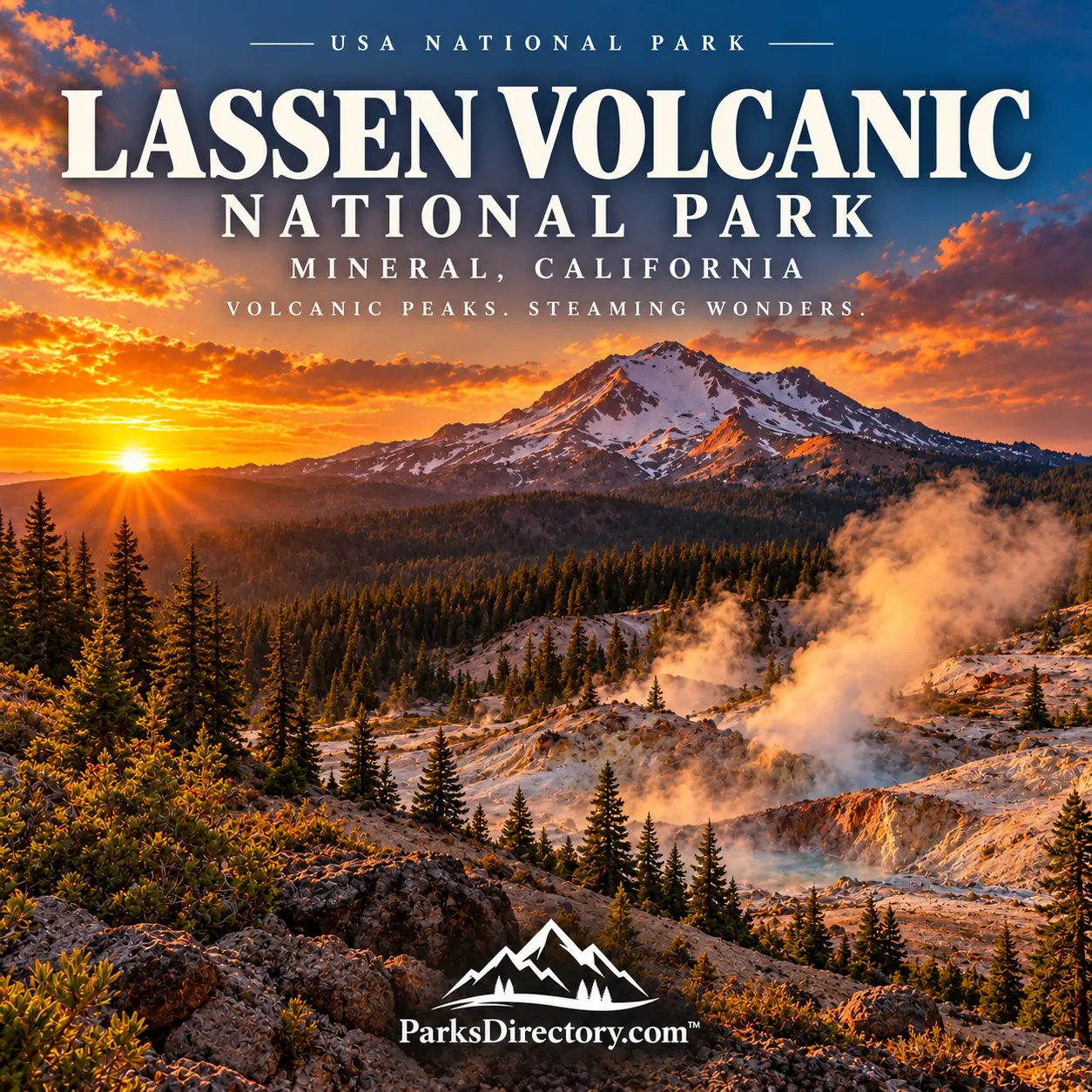
- Lassen Volcanic National Park — California.
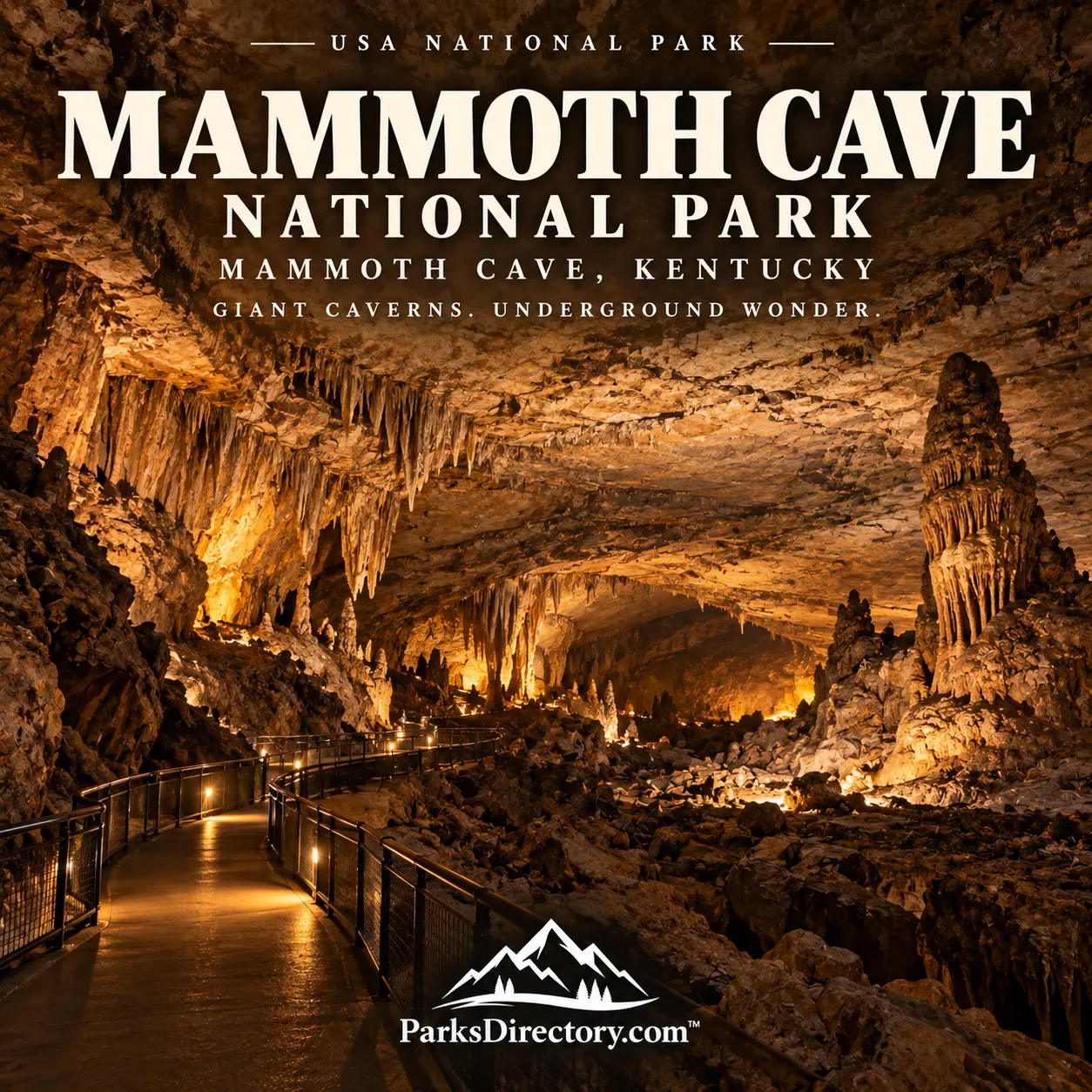
- Mammoth Cave National Park — Kentucky.
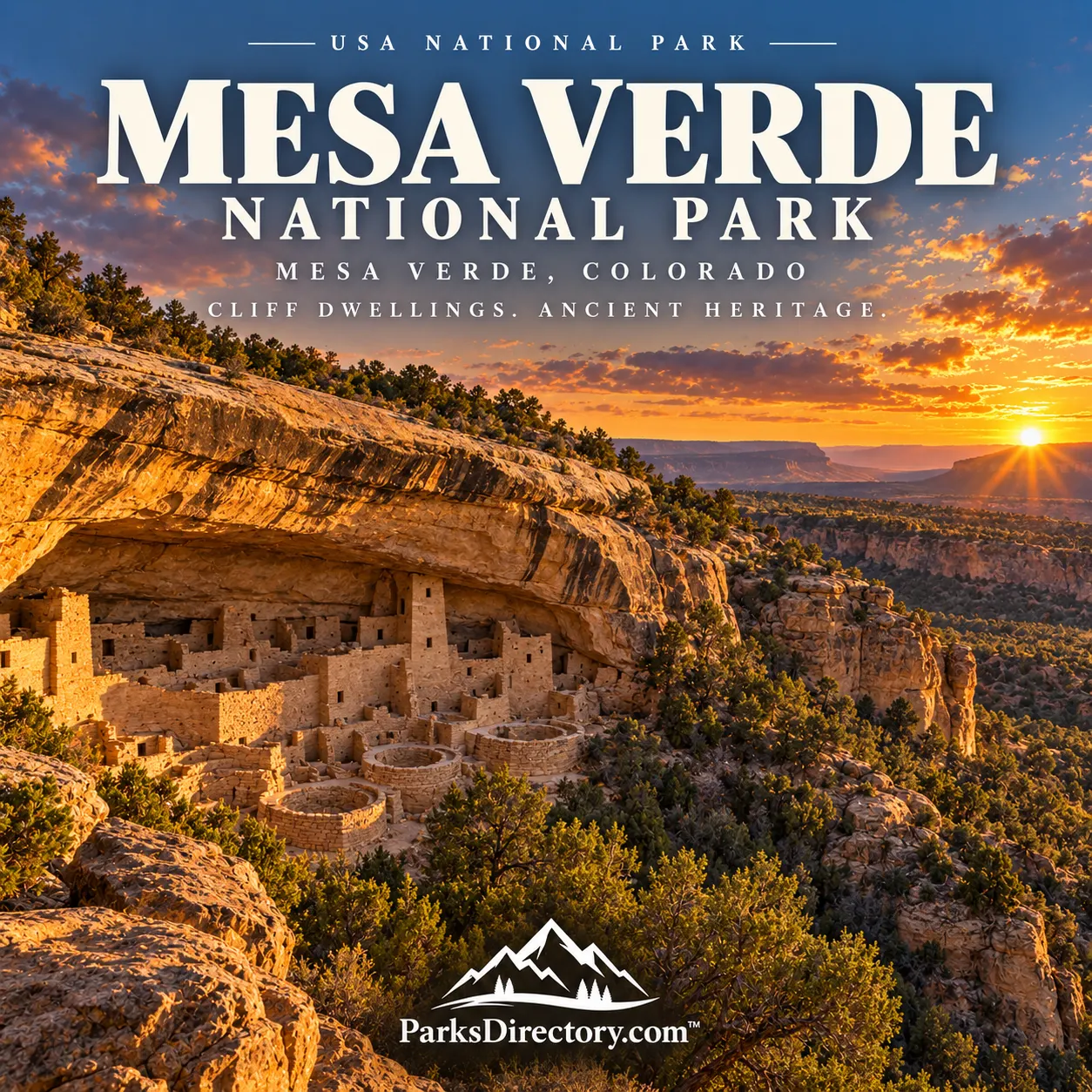
- Mesa Verde National Park — Colorado.
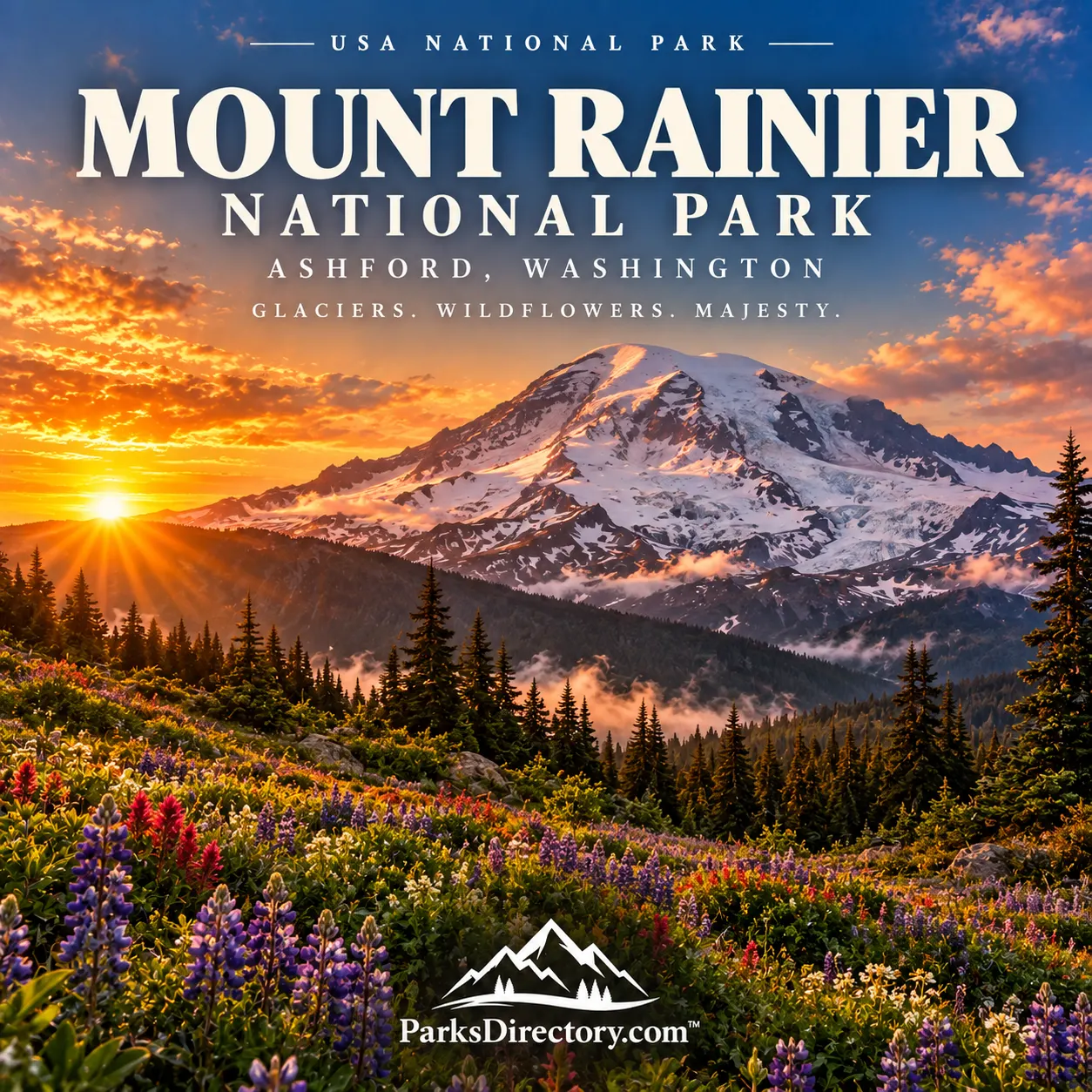
- Mount Rainier National Park — Washington.
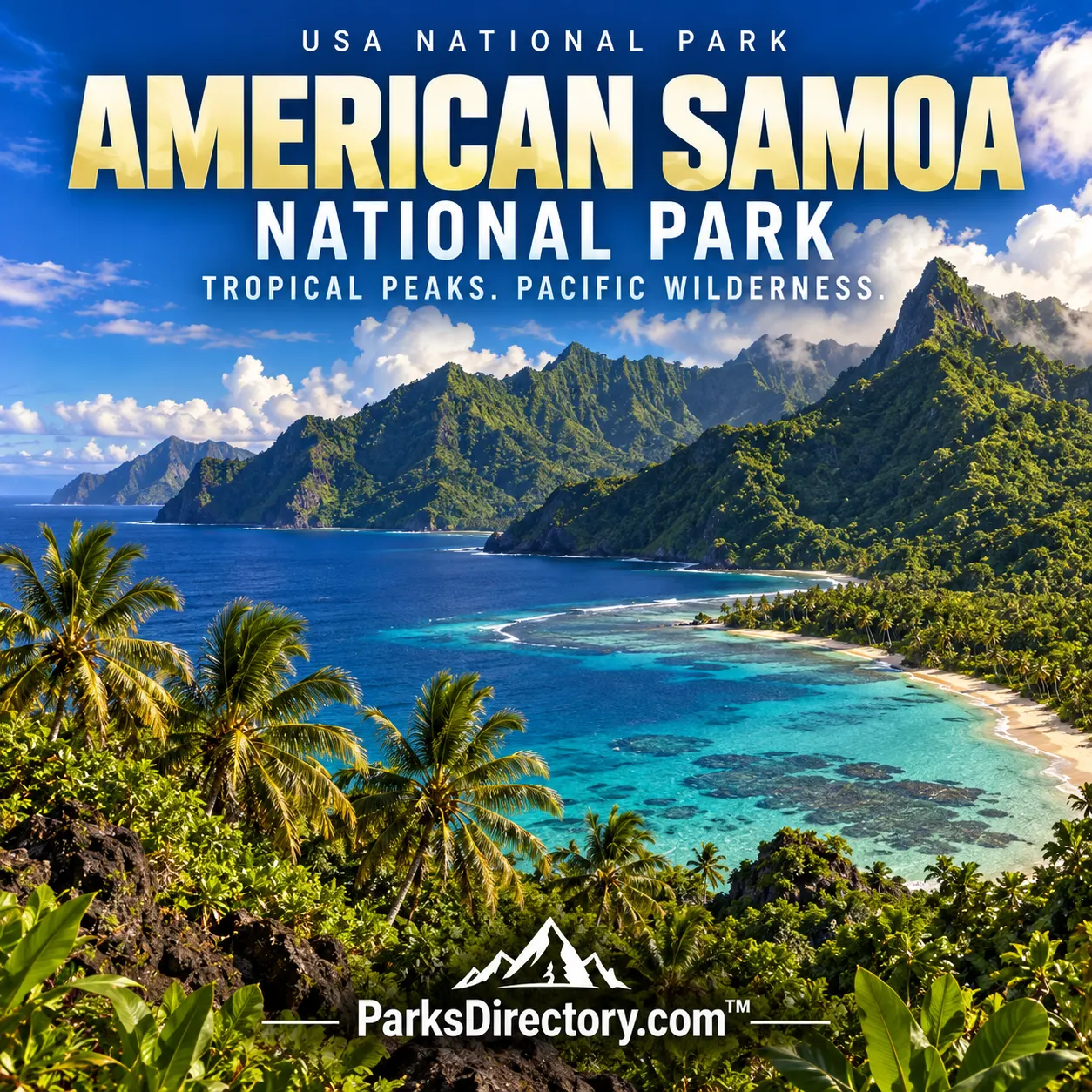
- National Park of American Samoa — American Samoa.
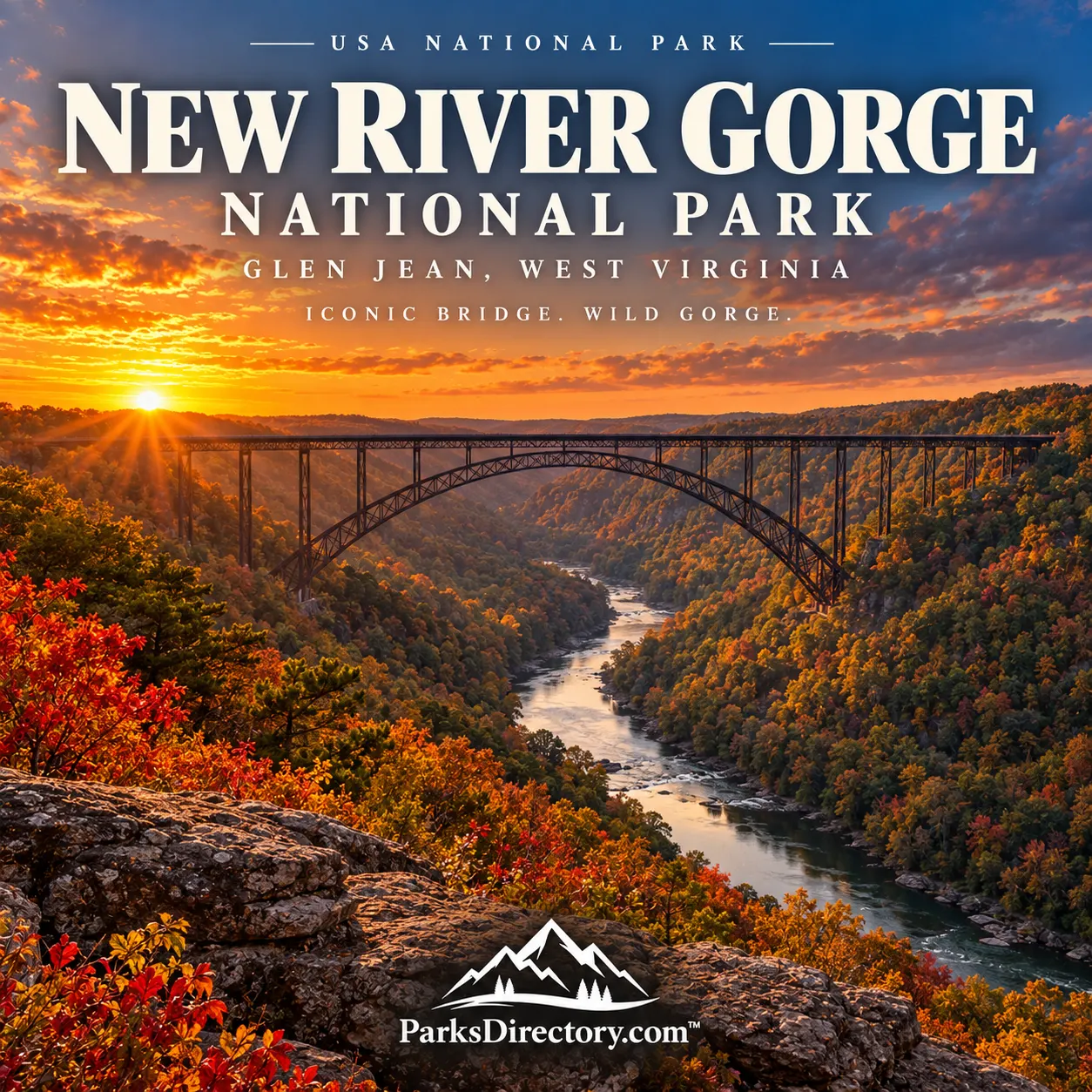
- New River Gorge National Park and Preserve — West Virginia.
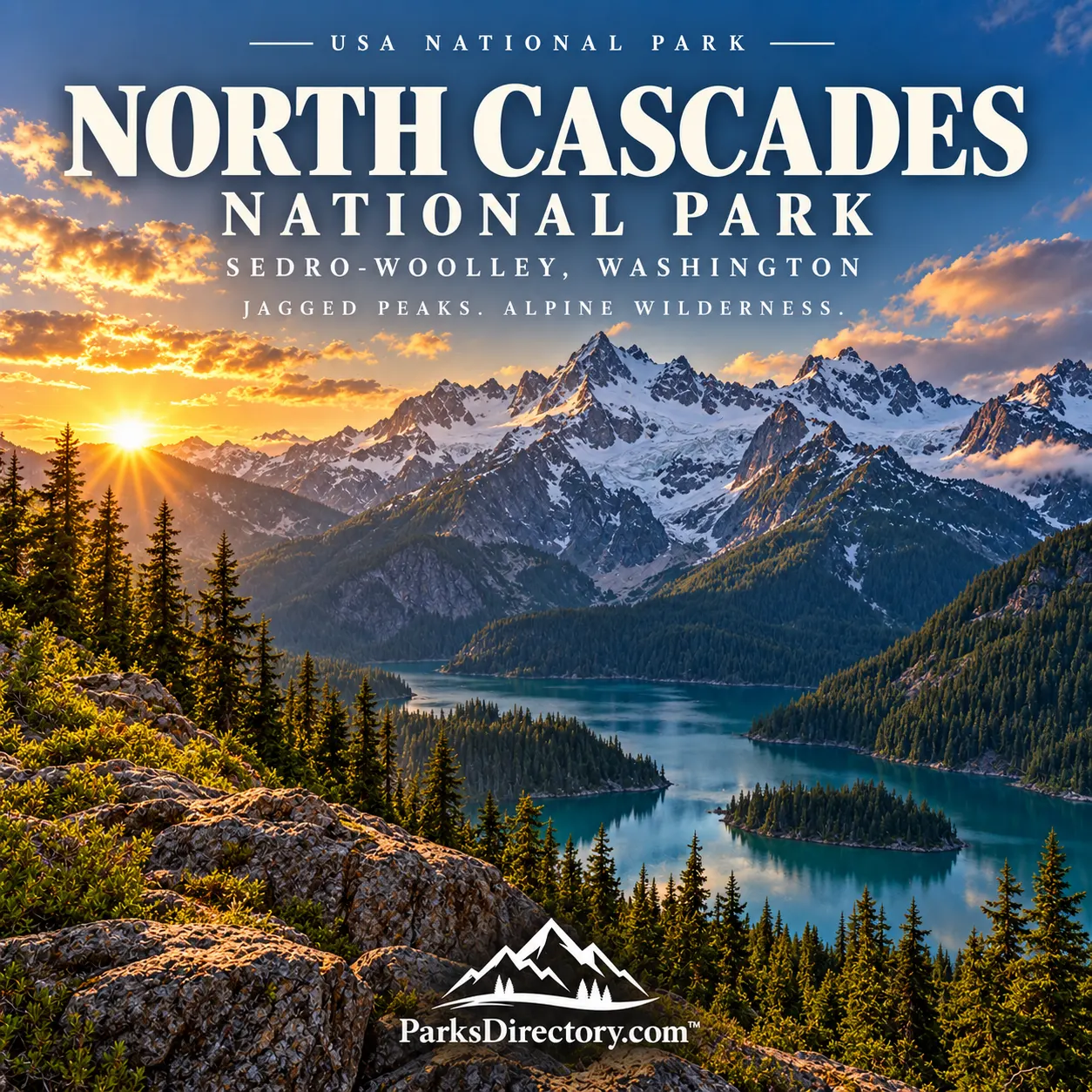
- North Cascades National Park — Washington.
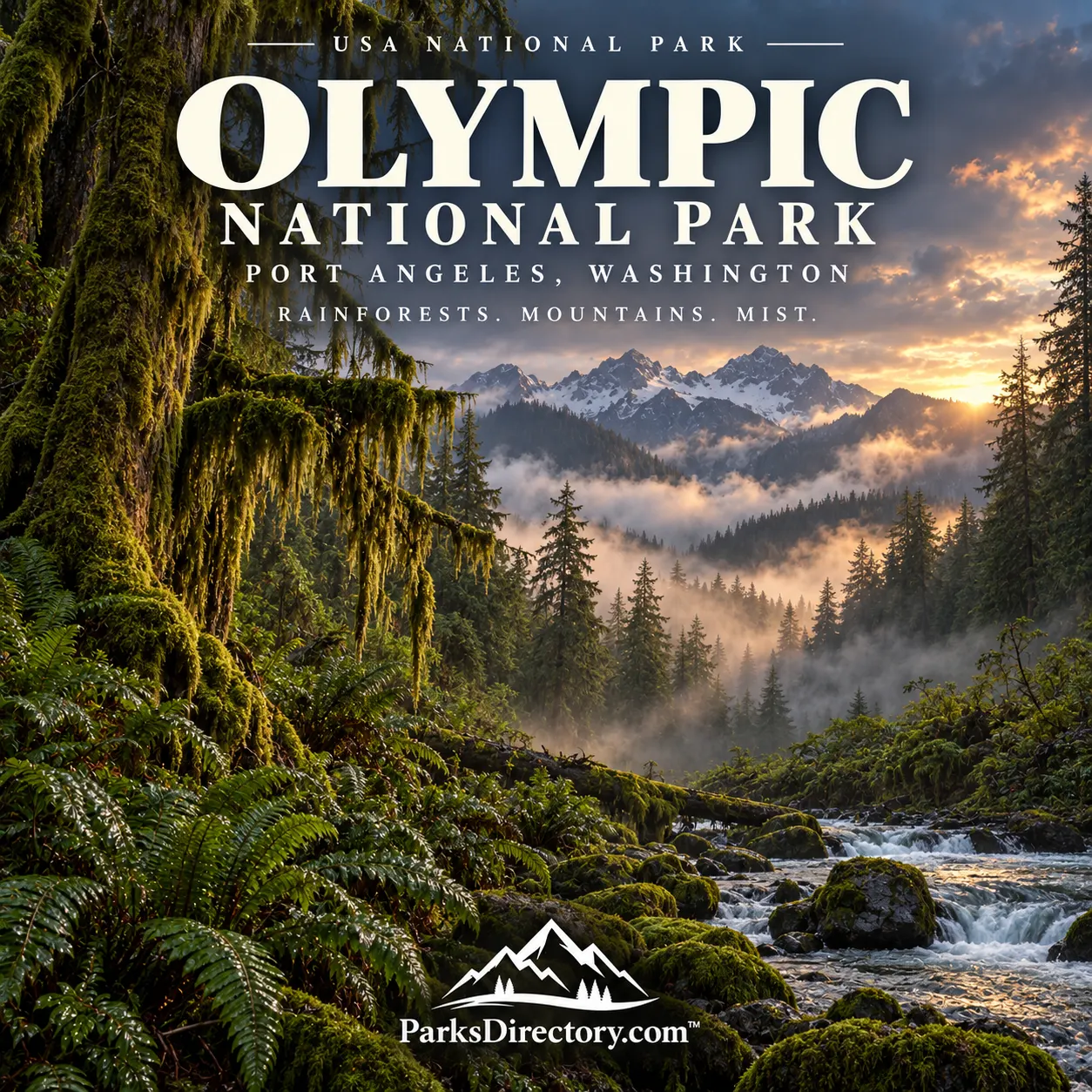
- Olympic National Park — Washington.
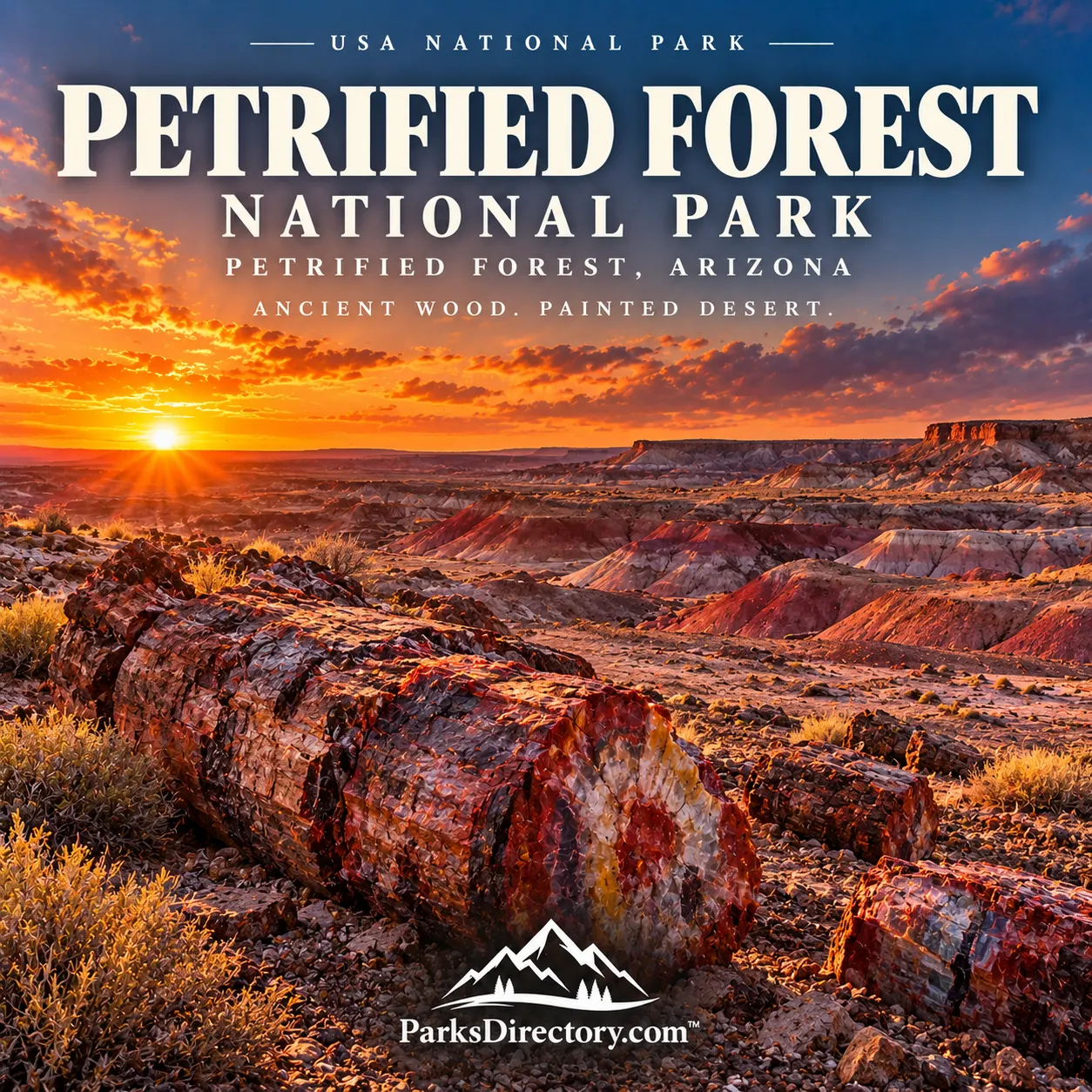
- Petrified Forest National Park — Arizona.
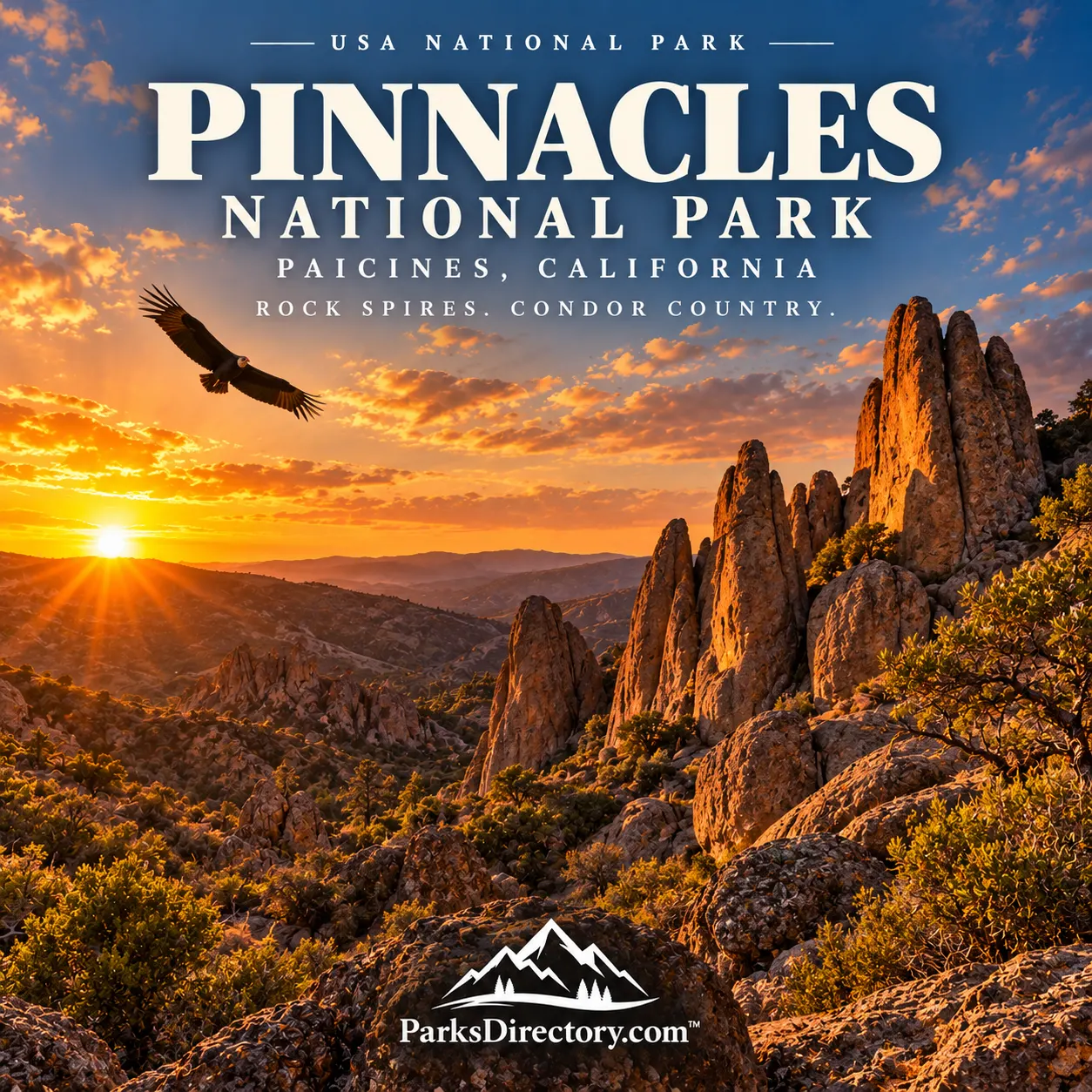
- Pinnacles National Park — California.
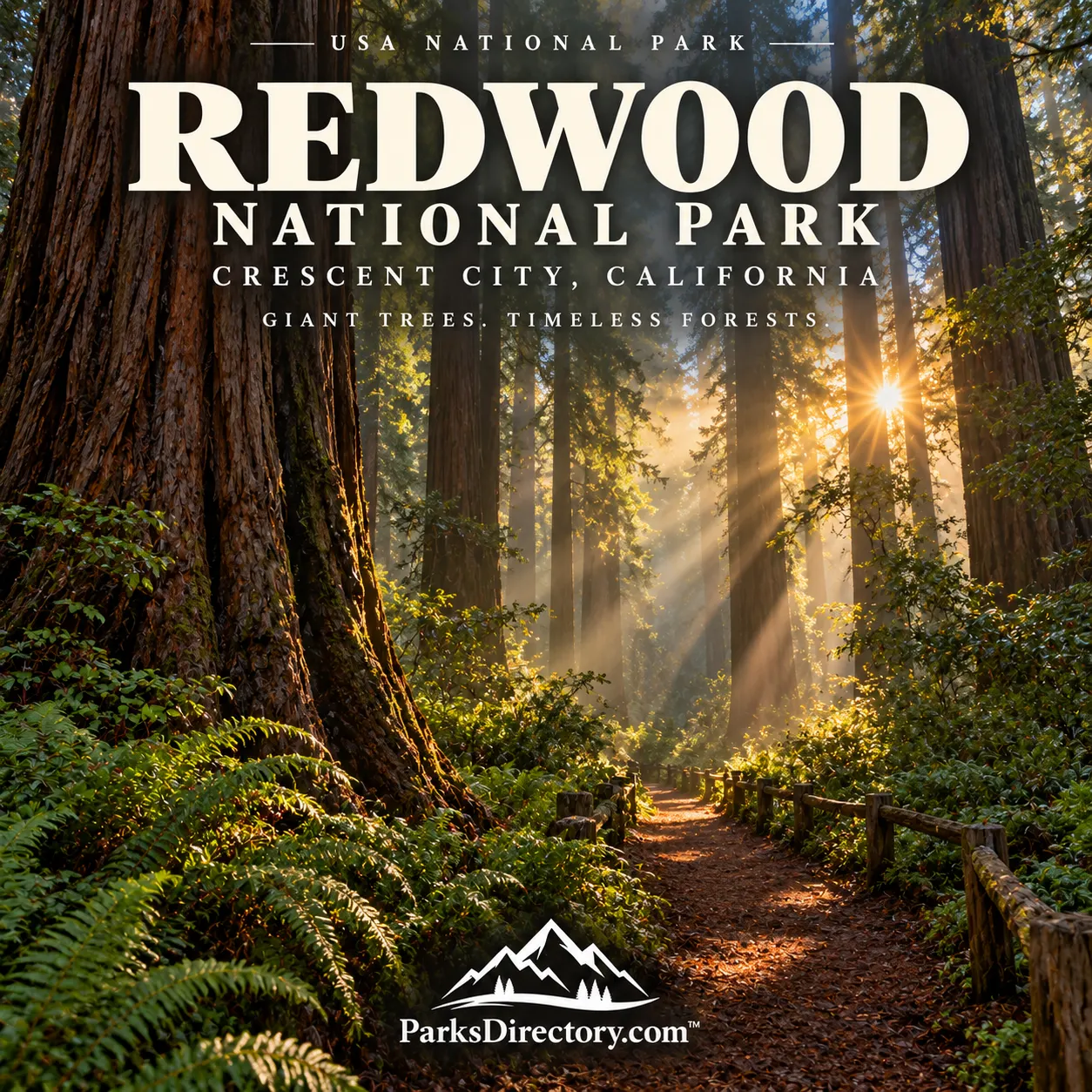
- Redwood National Park — California.
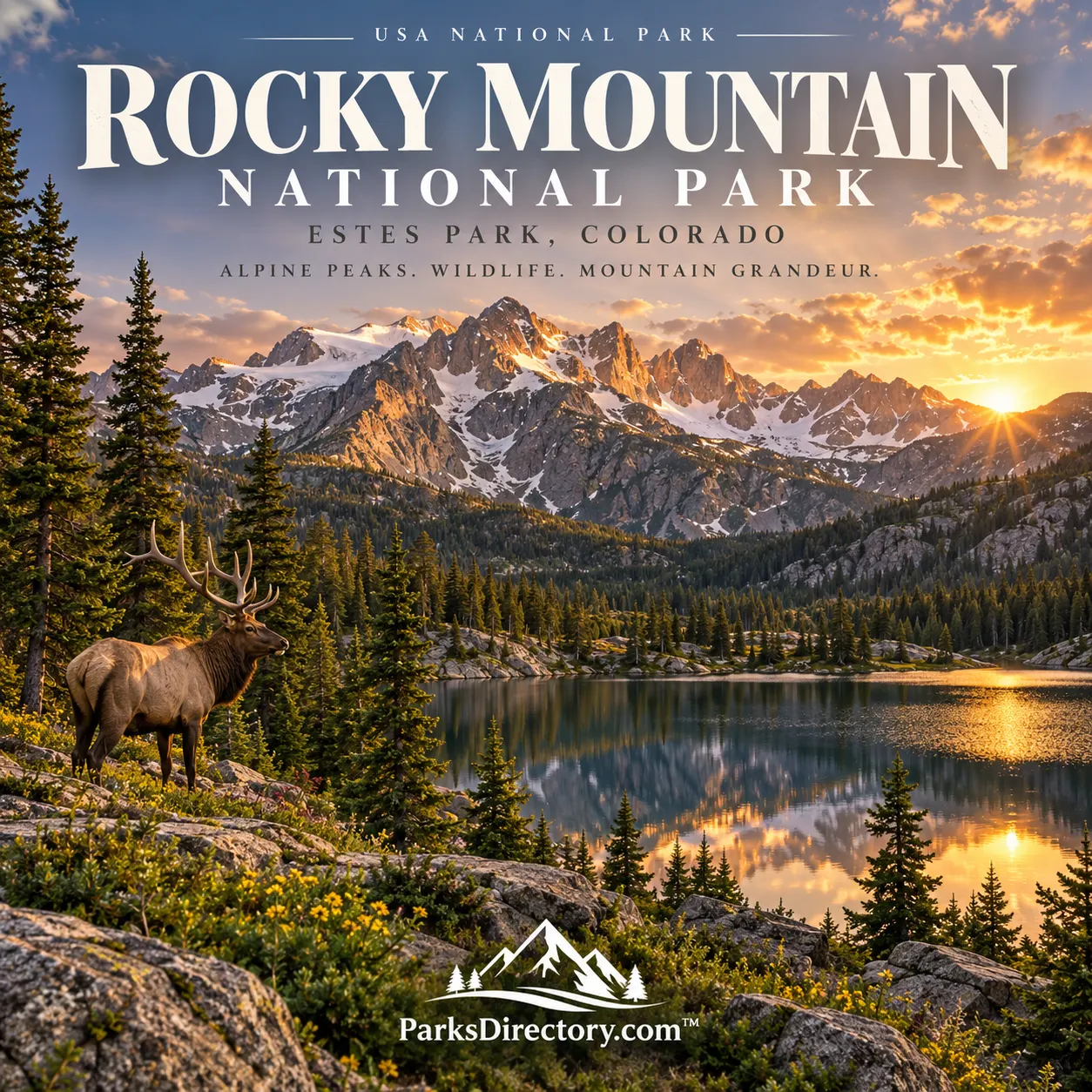
- Rocky Mountain National Park — Colorado.
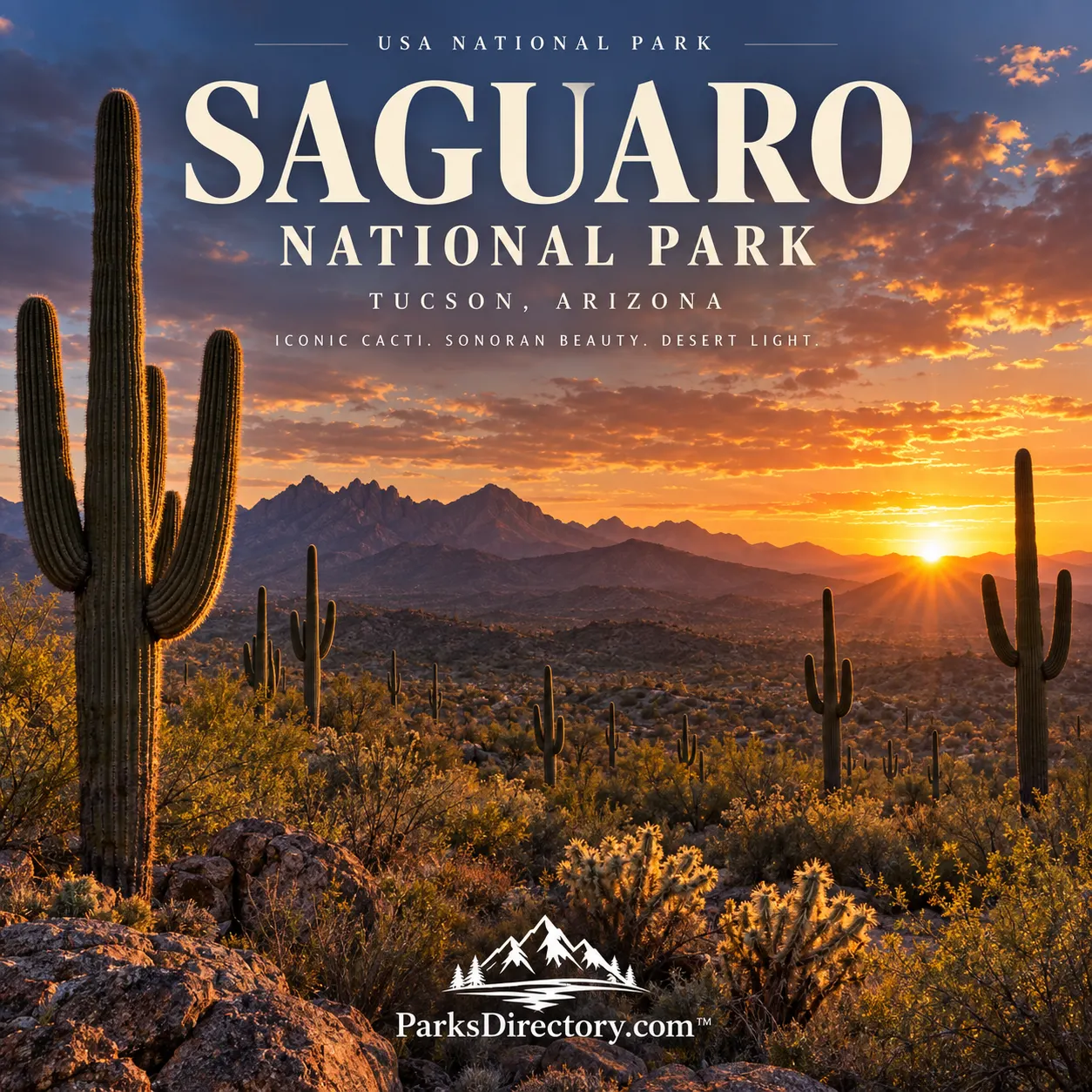
- Saguaro National Park — Arizona.
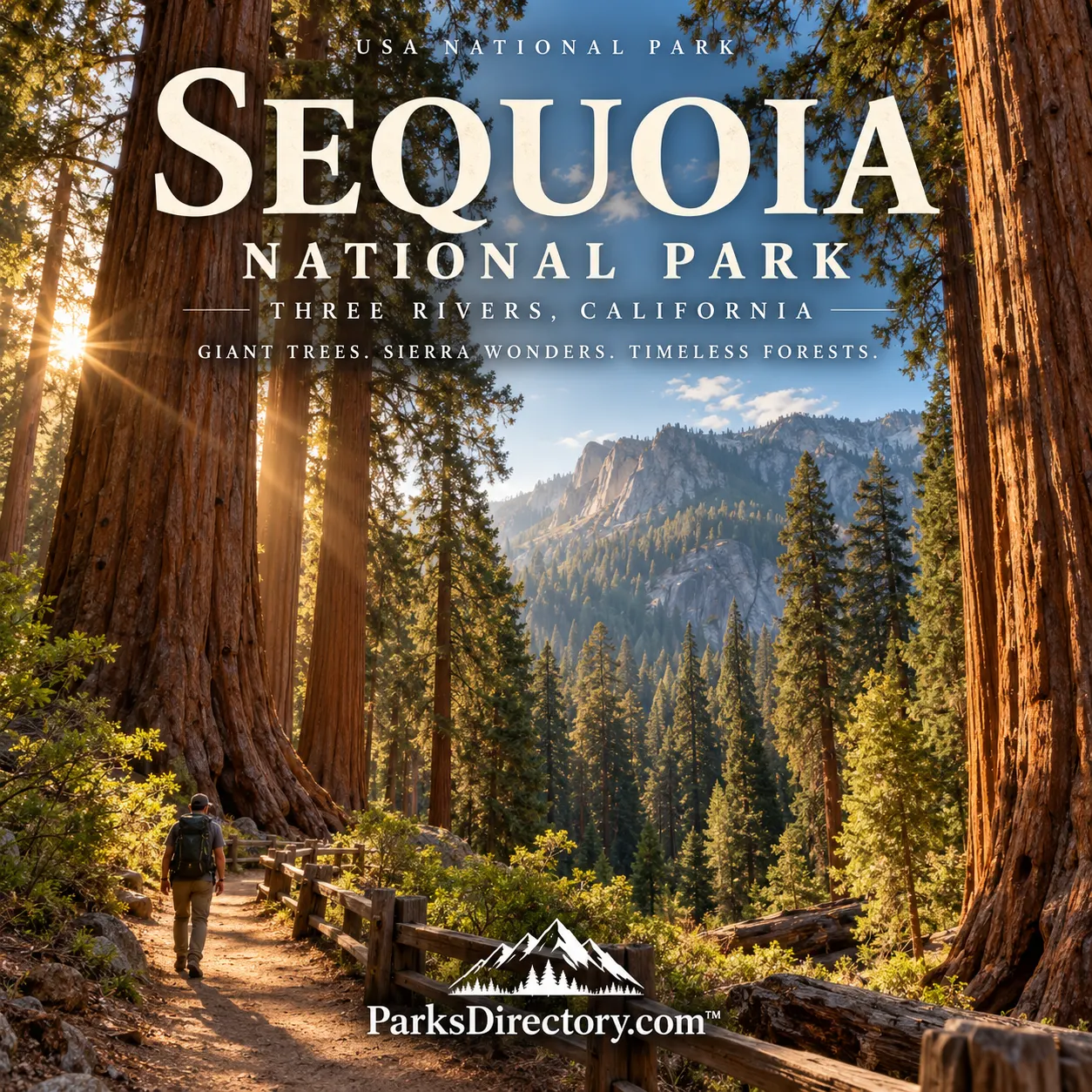
- Sequoia National Park — California.
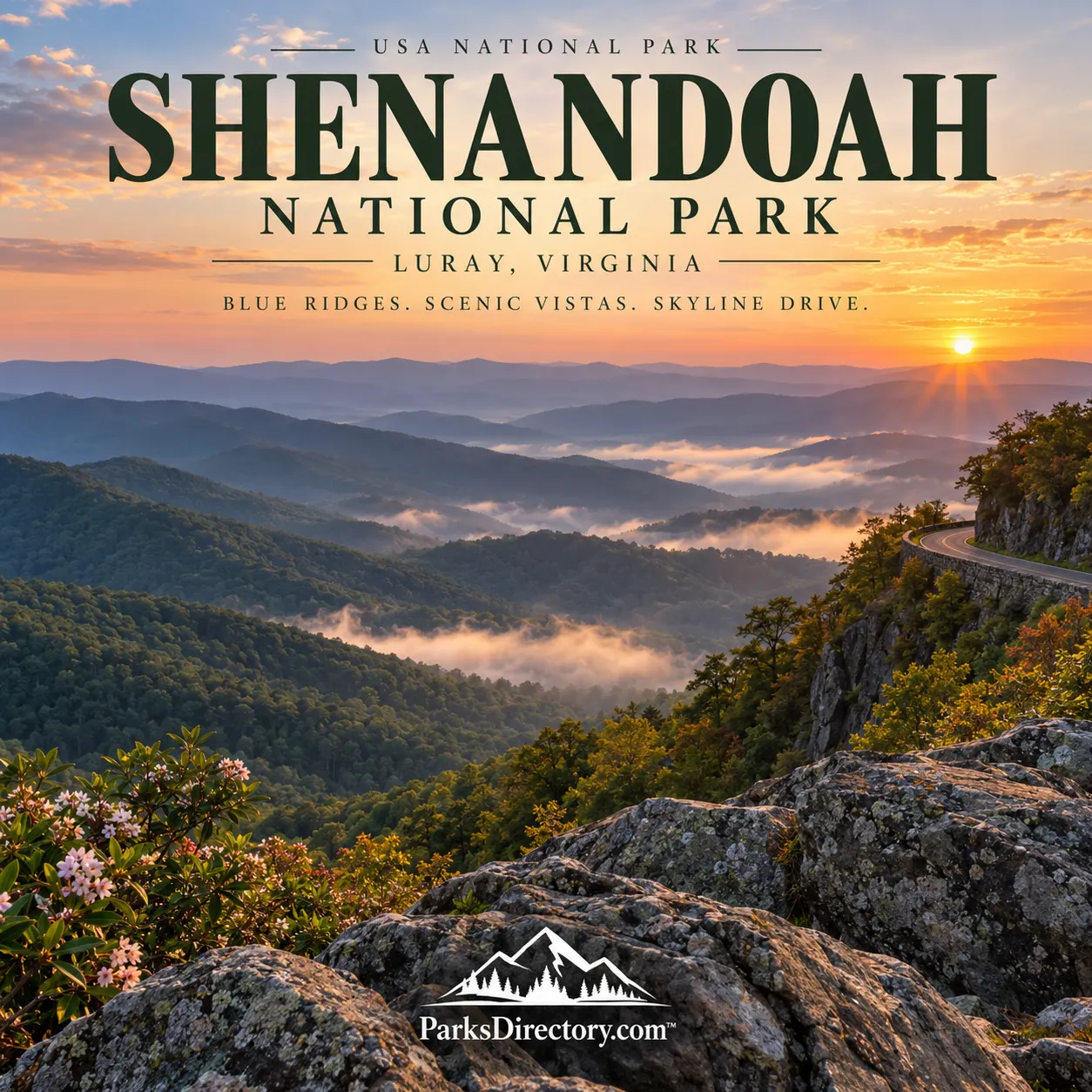
- Shenandoah National Park — Virginia.
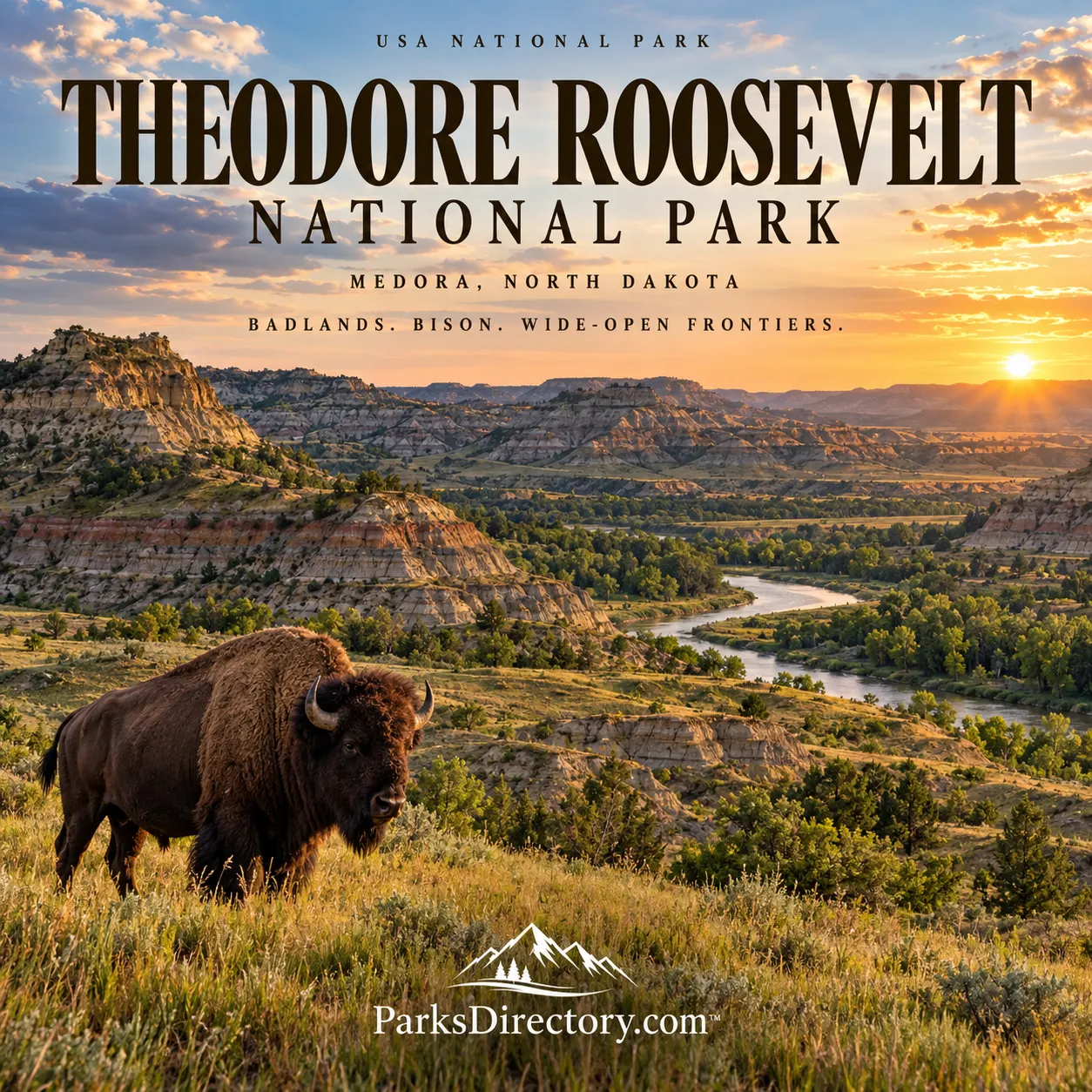
- Theodore Roosevelt National Park — North Dakota.
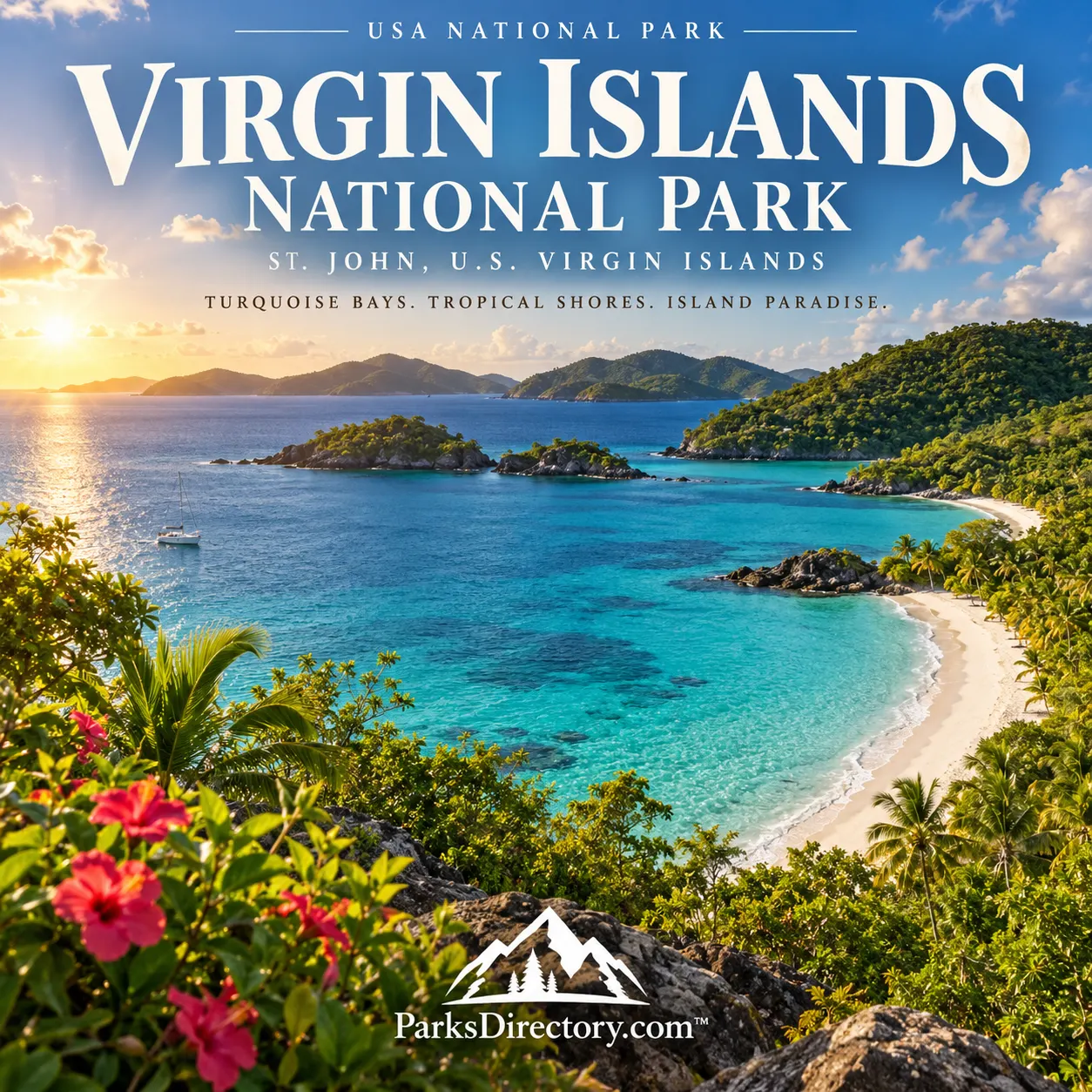
- Virgin Islands National Park — U.S. Virgin Islands.
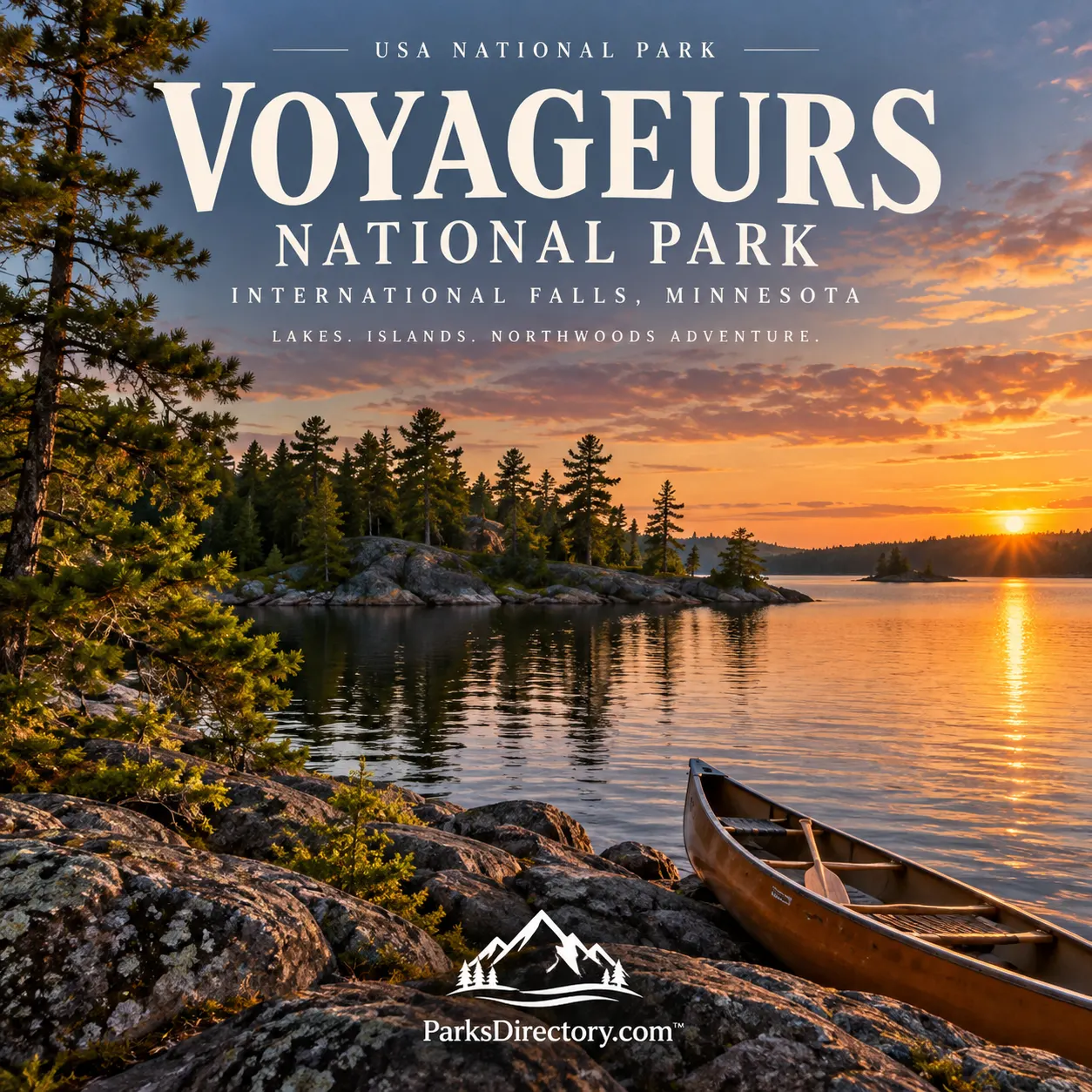
- Voyageurs National Park — Minnesota.
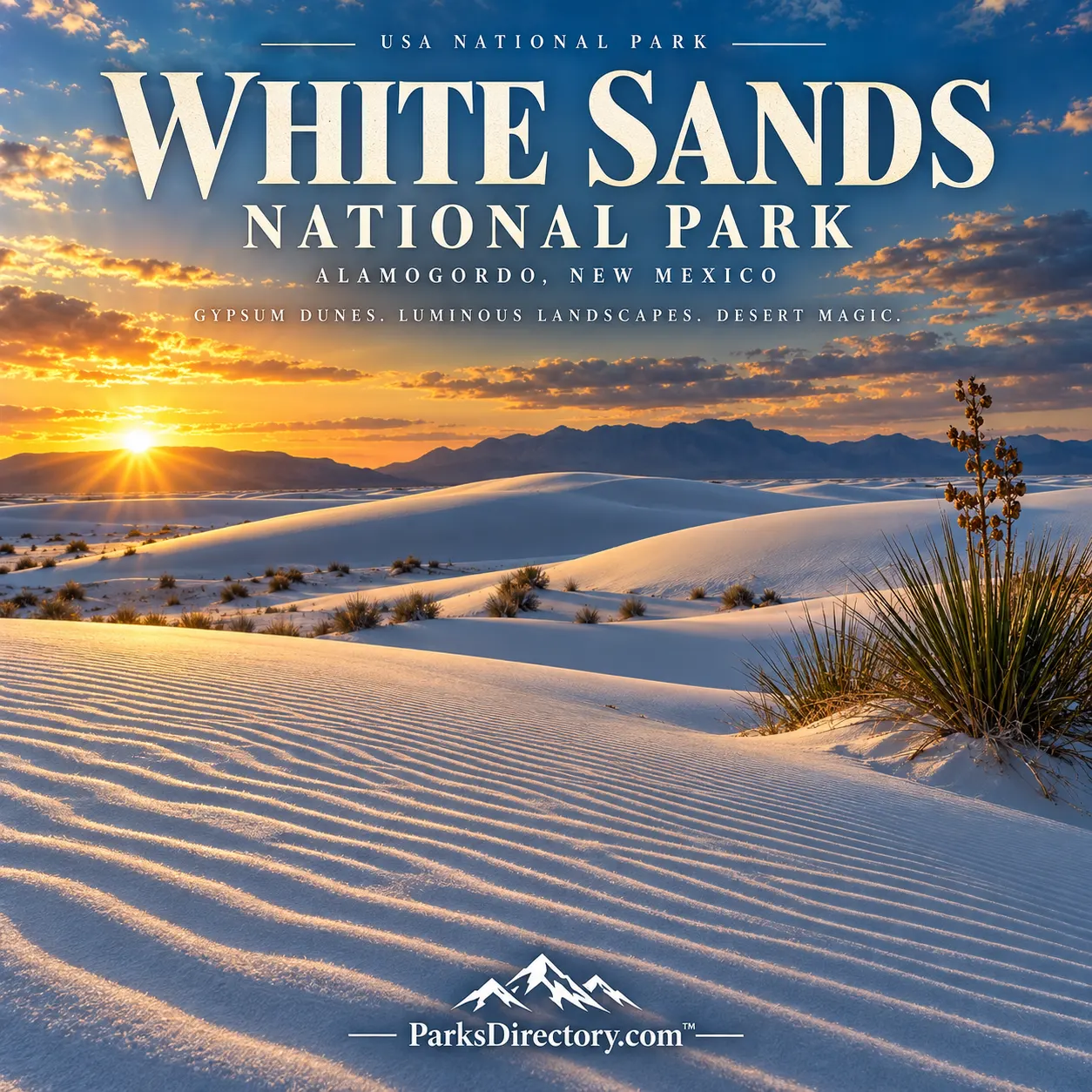
- White Sands National Park — New Mexico.
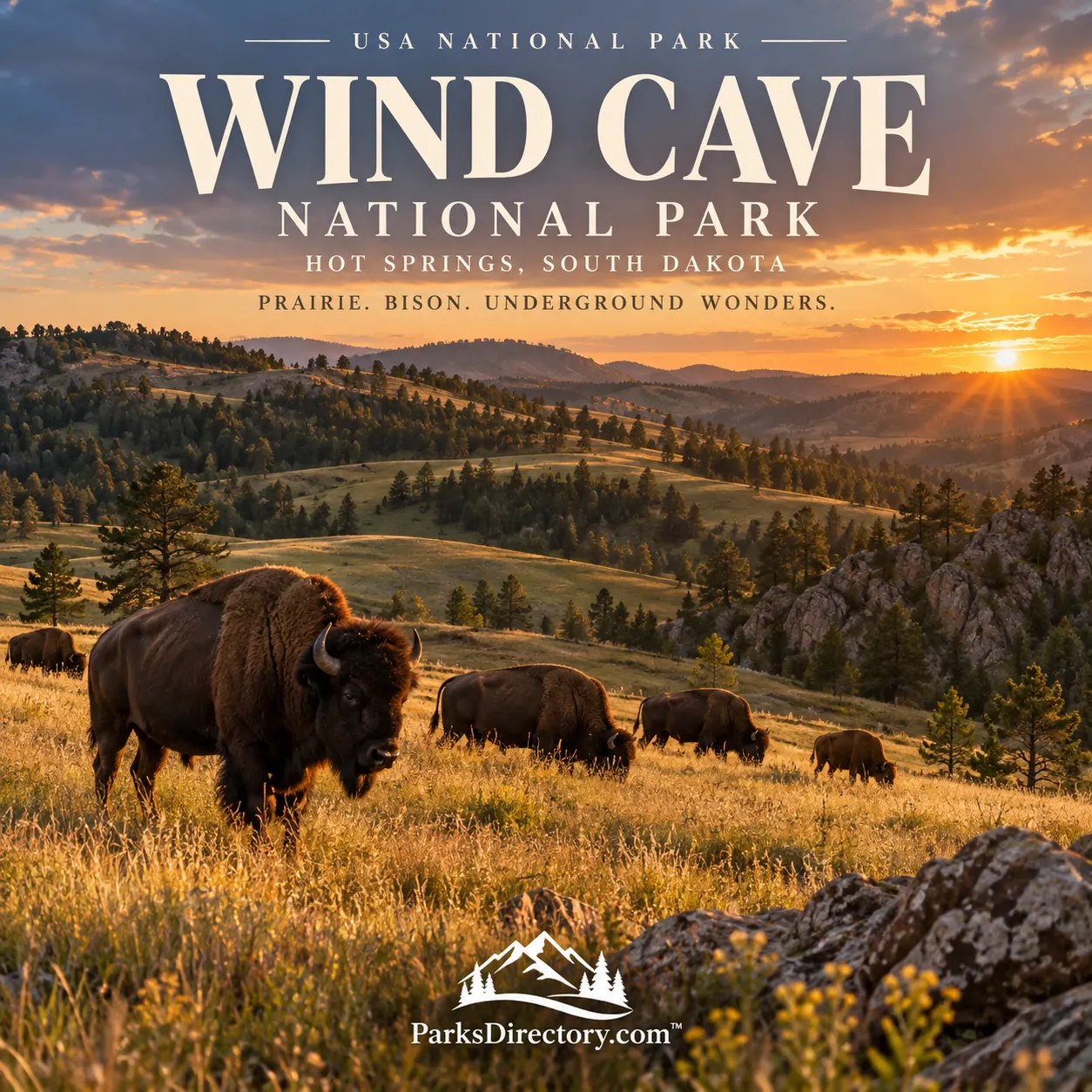
- Wind Cave National Park — South Dakota.
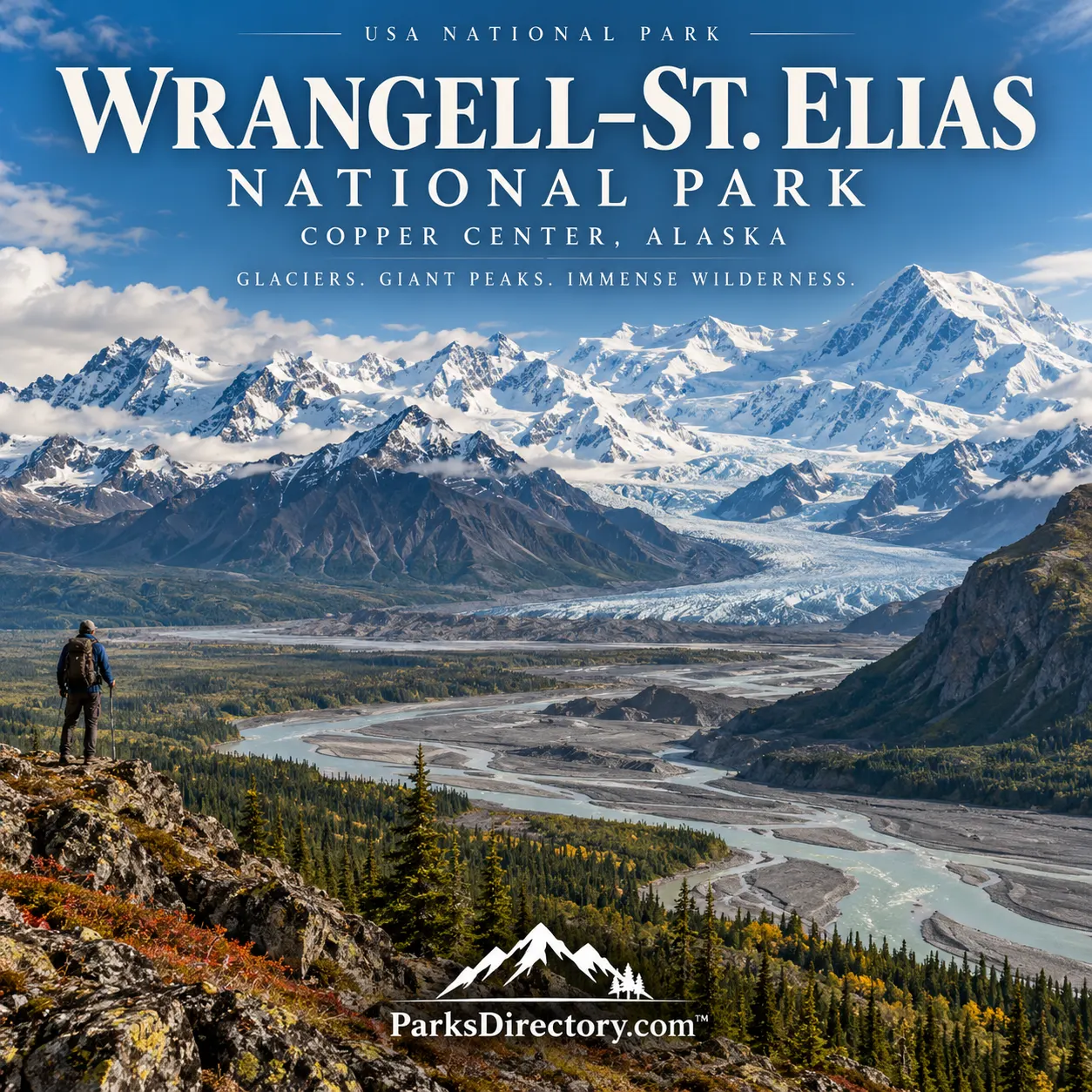
- Wrangell–St. Elias National Park — Alaska.
- Yellowstone National Park — Idaho, Montana, and Wyoming.
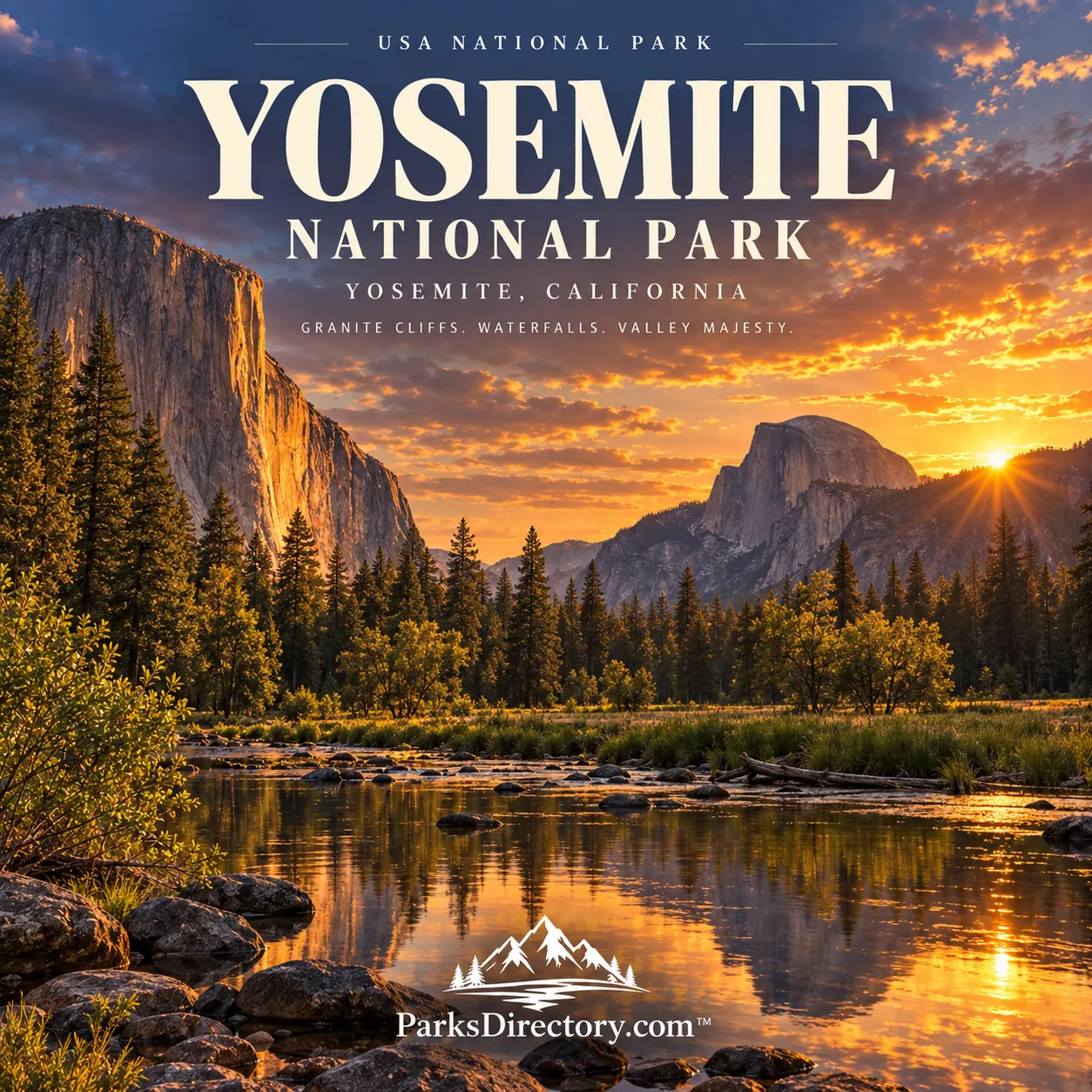
- Yosemite National Park — California.
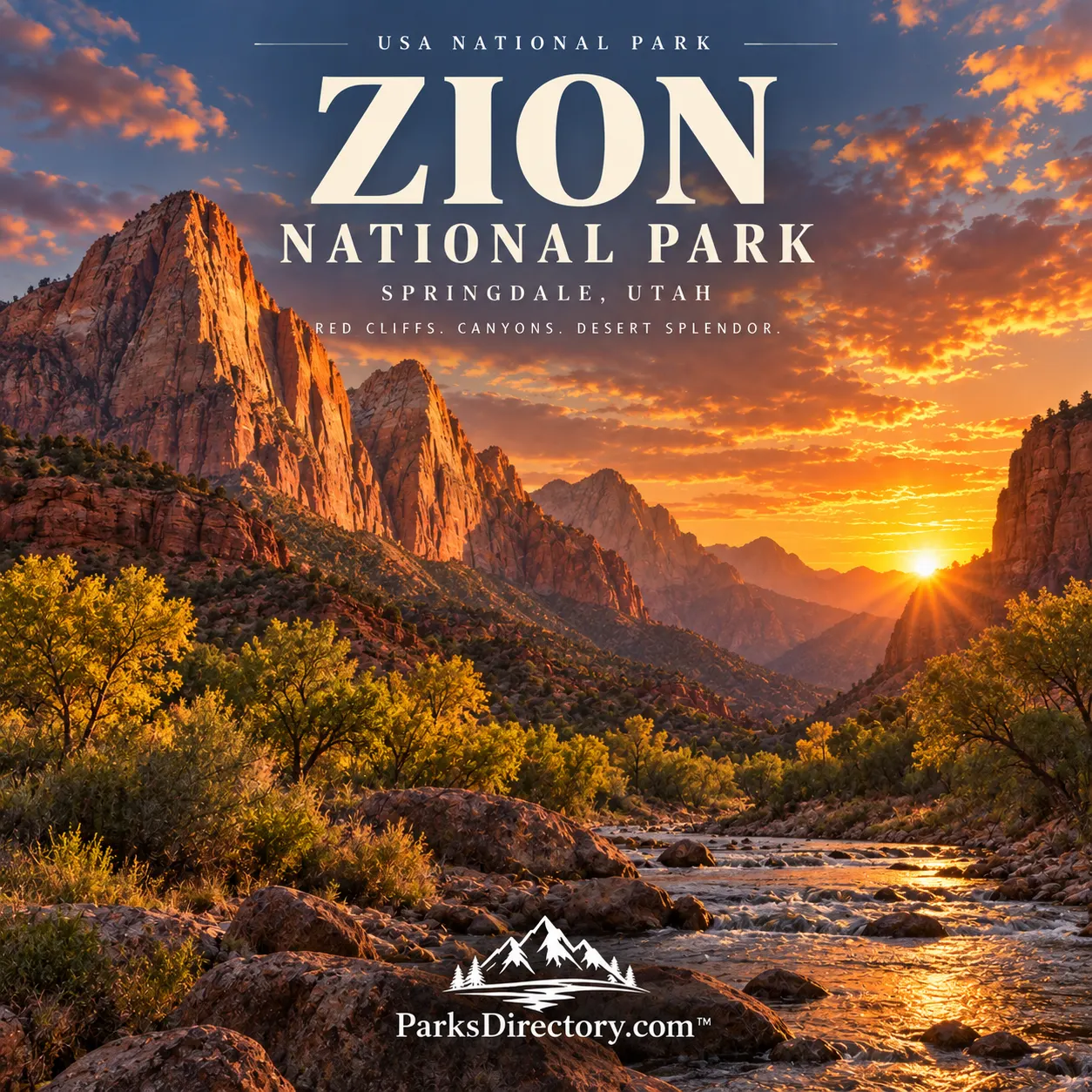
- Zion National Park — Utah.
From a national idea to a popular American journey
The parks’ public role expanded as transportation made distant landscapes easier to reach. Railroad promotion, automobile touring, visitor facilities, and ranger interpretation helped transform protected places into destinations for ordinary vacationers. The National Park Service’s historical account shows how preservation and public enjoyment developed together, sometimes with difficult tradeoffs about roads, buildings, and the meaning of wilderness.[2:2]
Popularity remains substantial, but visits should not be confused with individual visitors. The entire National Park System recorded approximately 323 million recreation visits in 2025, following the 2024 record of about 331.9 million. One person visiting several sites, or returning repeatedly, can generate multiple visits. These totals cover the reporting system, not only the 63 designated national parks.[4]
For today’s traveler, that scale suggests a better question than “Which park is most famous?” Ask which landscape, season, and level of activity suit the group. Someone interested in caves, wildlife, cultural history, or a short accessible outing may design very different journeys. Popularity can help identify places worth researching, but it cannot determine the best personal experience.
The economic impact of national parks in the USA
National parks also help sustain surrounding communities. The National Park Service estimated that visitors spent $29 billion in nearby communities in 2024, supporting 340,100 jobs and approximately $56.3 billion in total economic output. These are modeled visitor-spending effects for the wider system. The output estimate includes business relationships beyond the first purchase; it is not an additional pile of visitor spending or a measure of government profit.[5]
The practical connections are easy to understand. A family might book a locally operated motel, buy groceries, hire a guide, and repair a bicycle during one trip. Those purchases help explain why conservation and community livelihoods are linked. However, high visitation also requires roads, wastewater treatment, emergency services, staff housing, and reliable public facilities. A thriving gateway community needs investment in those foundations, not simply more arrivals.
Visitors can make their spending more useful by staying longer in a suitable base, choosing locally provided services, and traveling outside the busiest periods when conditions allow. A slower itinerary may distribute spending more evenly while reducing the need to change lodging every night. The objective is not to turn every landscape into a commercial attraction, but to support the people who help make responsible access possible.
Planning a national parks trip that works
Begin with the official page for each park rather than assuming neighboring destinations have identical conditions. Confirm entrance arrangements, operating seasons, road status, campground booking procedures, and whether an activity needs a separate reservation. An entrance pass does not necessarily reserve camping, a boat trip, or access to a capacity-controlled activity. The National Park Service’s planning tools are the appropriate place to check current requirements.[6]
Build flexibility into the route. Choose one essential experience and at least one alternative for each day. Leave enough time for travel within a park, meals, rest, and unexpected delays. A map may make a mountain crossing look short while saying little about the effort involved. Travelers with mobility requirements should check the specific trail, viewing area, restroom, and transport arrangement rather than relying on a general accessibility label.
A sensible first itinerary can concentrate on one region rather than attempt a cross-country checklist. Use the complete park list to identify possibilities, then compare the time and transport each requires. A week spent understanding one landscape can be more rewarding than a week spent repeatedly packing and driving. Build the route around the least flexible member of the group, and let optional activities remain genuinely optional.
The future: access and protection together
The parks’ future should be judged by more than visitor totals. A successful system would preserve ecological and cultural resources, maintain safe facilities, and welcome people who have historically faced barriers to participation. Better interpretation can make even a brief visit meaningful. Better transport and reservation design may help distribute pressure, provided they do not create unnecessary obstacles for people without flexible schedules or reliable internet access.
For visitors, the most durable approach is curiosity combined with restraint: follow current guidance, respect closures, and allow a landscape to be more than a backdrop. Use ParksDirectory™ to begin discovering the possibilities, then ground the itinerary in official information and the needs of the people traveling with you. America’s national parks are most valuable when today’s enjoyment leaves tomorrow’s visitors something equally remarkable to experience.
Sources
National Park Service, “National Park System,” current designated park list and unit counts, checked September 7, 2026. https://www.nps.gov/aboutus/national-park-system.htm ↩︎ ↩︎ ↩︎
National Park Service, “Quick History of the National Park Service.” https://www.nps.gov/articles/quick-nps-history.htm ↩︎ ↩︎ ↩︎
National Park Service, “Yellowstone’s Establishment,” including Indigenous connections and the 1872 legislation. https://www.nps.gov/yell/learn/historyculture/yellowstoneestablishment.htm ↩︎
National Park Service, “Visitor Use Statistics Dashboard,” 2025 and 2024 recreation visits. https://www.nps.gov/subjects/socialscience/visitor-use-statistics-dashboard.htm ↩︎
National Park Service, “National Park Visitor Spending Contributed $56 Billion to the U.S. Economy in 2024.” https://www.nps.gov/orgs/1207/national-park-visitor-spending-contributed-%2456-billion-to-the-u-s-economy-in-2024.htm ↩︎
National Park Service, “Plan Your Visit.” https://www.nps.gov/planyourvisit/index.htm ↩︎