Global Amusement Parks: From Pleasure Gardens to Worldwide Vacation Destinations
An amusement park offers something unusual in modern travel: permission to spend a day pursuing shared delight. That might mean a child’s first carousel ride, an evening concert beneath illuminated trees, or a roller coaster that makes an experienced rider hesitate. The attractions differ, but the underlying appeal is the same. People gather in a place designed to make ordinary time feel memorable.
Global amusement parks are the worldwide category in this directory, unlike the site’s primarily American topics. ParksDirectory™ can help frame that broader exploration, whether the starting point is a U.S. regional park or a vacation built around an overseas destination. Understanding the history makes the choice richer: today’s parks inherit traditions of gardens, fairs, engineering, storytelling, and public entertainment.
The roots of amusement parks around the world
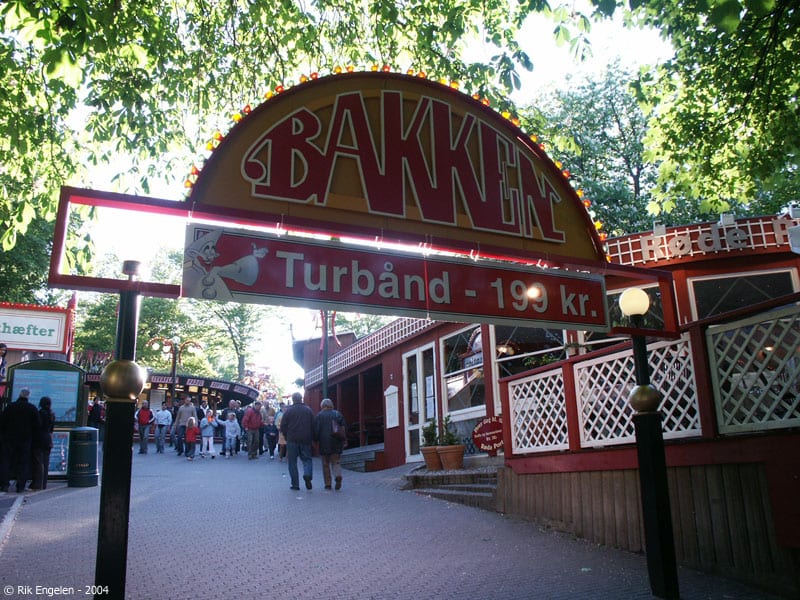
The modern industry did not begin with film characters or steel roller coasters. IAAPA traces its roots to European pleasure gardens, where visitors gathered for entertainment, food, and social activity. Denmark’s Bakken dates its origins to 1583, while Vienna’s Prater became a public recreation ground in 1766. These early places established the enduring idea that a destination could combine numerous pleasures rather than offer a single performance.[1]
Copenhagen’s Tivoli Gardens opened on August 15, 1843, under founder Georg Carstensen. Its own history describes an environment of imaginative architecture, entertainment, and gardens that fascinated early visitors. Tivoli demonstrates why amusement park history is also design history: the setting between attractions can be as important as the machinery. Music, landscaping, lighting, and places to sit give a park an identity beyond its ride count.[2]
Those precedents also explain a distinction useful to travelers. “Amusement park” is a broad category, while “theme park” usually emphasizes a coordinated setting or story. A traditional park may combine unrelated rides and performances; a themed destination might organize them around imaginary worlds. Neither approach is inherently better. The relevant question is whether the experience matches the visitor’s interests, budget, and available time.
How amusement parks developed in the United States
American amusement history grew alongside urban entertainment and new ways of moving large crowds. World’s fairs displayed technological spectacle, while seaside and urban leisure districts brought rides, shows, and food together. IAAPA identifies the 1893 Chicago exposition and the rise of Coney Island during the 1890s as important landmarks in the industry’s development. They helped make mechanical thrills and elaborate entertainment environments part of mass leisure.[1:1]
Coney Island’s importance was not merely the invention of particular attractions. It illustrated a business model in which crowds, transport connections, spectacle, and repeat visits reinforced one another. The modern visitor can still recognize that logic: a successful park must draw people in, move them comfortably, provide reasons to stay, and persuade them that another visit could offer something different.
The United States subsequently produced a particularly influential form of themed entertainment. Disneyland opened in California on July 17, 1955. Its opening-day history marks a turning point in the integration of storytelling, television-era promotion, carefully designed environments, and family attractions. It did not invent amusement parks, but it helped redefine what a coordinated theme park experience could become.[3]
The historical lesson is broader than one company. American parks could compete through atmosphere as well as ride intensity. A destination might appeal through nostalgia, cinematic storytelling, seasonal celebrations, or a strong regional identity. That variety remains important when comparing a major vacation resort with a smaller park that serves generations of nearby families.
A genuinely global industry, not an American export alone
The current amusement park map includes major destinations across North America, Europe, and Asia. The Themed Entertainment Association’s 2024 Global Experience Index documents leading parks and operators in these regions rather than treating the industry as a single American market. Its analysis also describes different regional growth patterns, showing why one country’s results should not be assumed to represent the entire world.[4]
Oceania has its own long amusement tradition: Melbourne’s Luna Park opened in December 1912, decades before Disneyland. In Asia, Tokyo Disneyland’s April 1983 opening demonstrated how a major destination could develop through an international partnership and a specifically Japanese operating context. These histories show both the circulation of ideas and the importance of local institutions.[5][6]
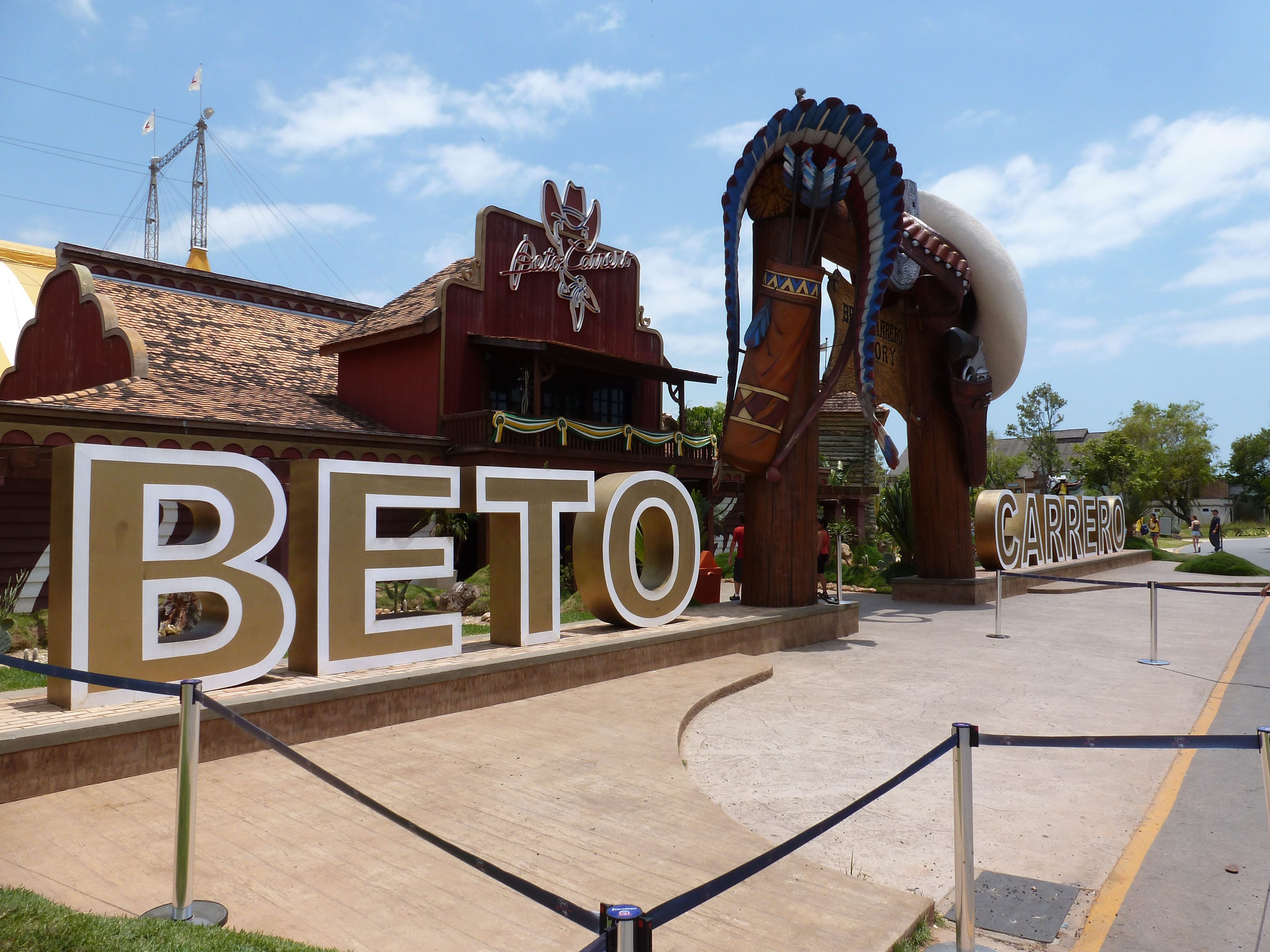
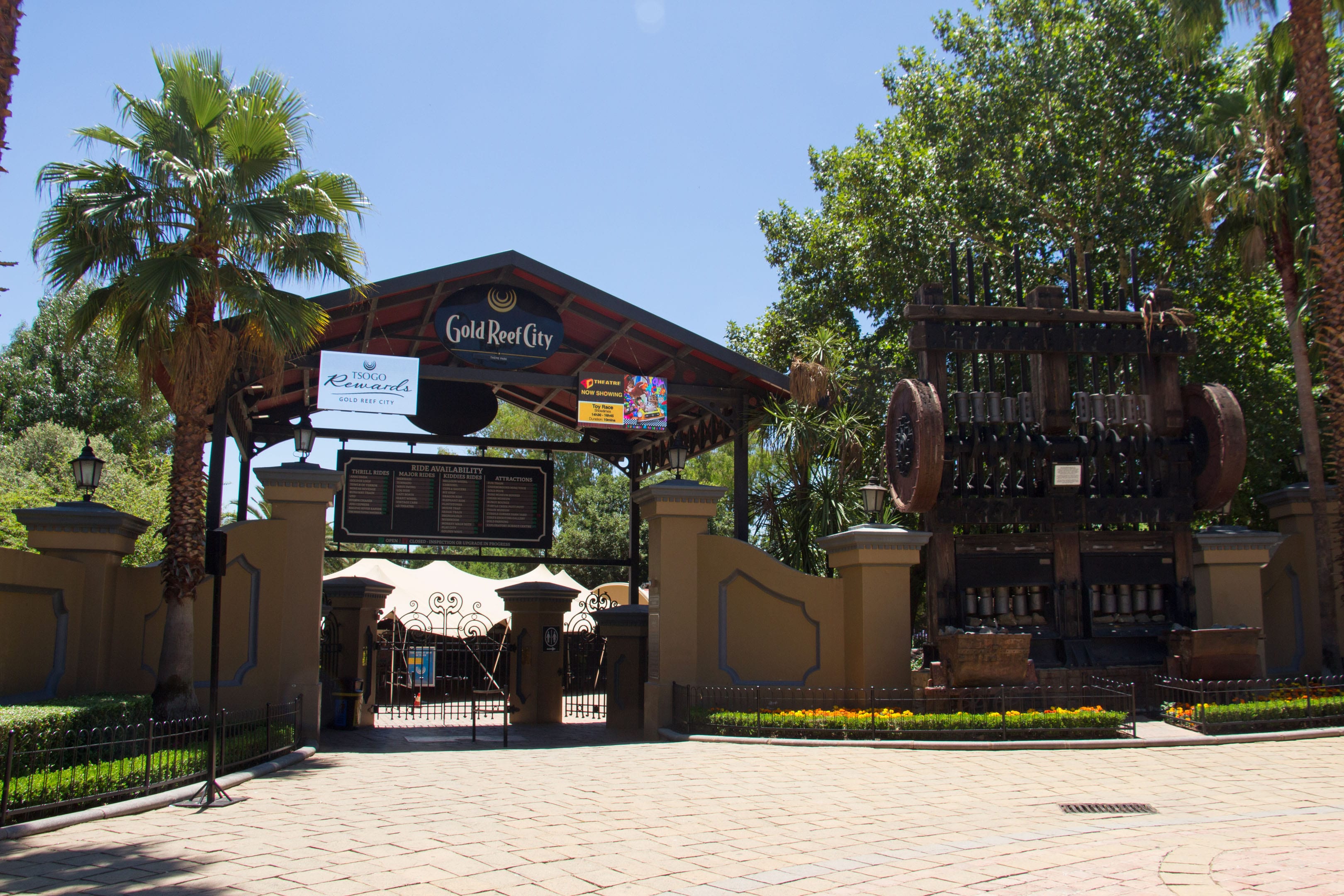
Latin America and Africa also belong in the story. Brazil’s Beto Carrero World opened in December 1991, created by a Brazilian entertainer and entrepreneur rather than simply arriving as an American chain. Johannesburg’s Gold Reef City, founded in 1987, developed from a mine-tour attraction into a park combining rides with mining heritage. Together, these examples show why global amusement park history includes regional entrepreneurship and locally meaningful themes, not just the overseas expansion of U.S. brands.[7][8]
For travelers, a global perspective changes the comparison. A centrally located historic garden park may fit naturally into a city break. A large resort outside an urban center may require several days and dedicated transport. A destination with strong local attendance can have different crowd rhythms from one shaped by international tourism. Research the actual park rather than importing expectations from a familiar American counterpart.
Cultural context also deserves attention. Food, live entertainment, holiday calendars, languages, and family routines influence the character of a visit. An overseas park is not simply a domestic experience with different signage. Allowing time for those differences makes the journey more rewarding and avoids judging every destination by the same narrow checklist of attractions.
Popularity: from mass leisure to repeat destination travel
Amusement parks have survived changing entertainment habits because they offer physical experiences people can share. A screen can show a spectacular ride, but it cannot reproduce moving through a landscape, hearing a crowd react, or spending a whole day together. That is an explanation for their appeal, not a guarantee that every operator will prosper or that attendance rises every year.
For a measured snapshot, the TEA’s 2024 report estimated almost 246 million visits to the world’s top 25 theme parks, approximately 2.4 percent more than the previous year. This is attendance at a selected group of major parks, not the total number of people visiting all amusement parks worldwide. Repeat visitors can appear many times, and smaller regional destinations are not captured by that headline total.[4:1]
American popularity should therefore be understood at two levels. Major parks attract destination travelers, while regional parks can become recurring family traditions. A seasonal pass holder and an international visitor may contribute to the same attendance figure while making very different spending decisions. For readers researching the best amusement parks, the largest attendance number is useful context, not an objective ranking of personal enjoyment.
The economic impact of amusement parks in the USA
The U.S. economic contribution extends beyond admission gates. Attractions employ people in operations, maintenance, entertainment, hospitality, security, landscaping, and administration. They also purchase equipment and services and can generate demand for nearby lodging and transportation. These relationships help explain why local leaders view major park investment as more than a collection of rides.[9]
Industry estimates need careful labeling. IAAPA’s 2024 North American study covers activity in 2023, with an estimated $172.7 billion in total U.S. economic impact across its broad attractions categories. That includes museums, zoos, entertainment centers, and other destinations as well as amusement parks; it is not a theme-park-only total. The wider U.S.-and-Canada estimate was $188 billion. Neither figure is admission revenue or a measure of net public benefit, and the geography, categories, and measurement year must accompany any comparison.[9:1]
At the community level, the better questions are practical. How many jobs operate throughout the year? Can workers afford to live within a reasonable commute? Who pays for road improvements and other infrastructure? Do independent restaurants and hotels gain customers, or does most spending remain inside a resort? A large gross impact estimate does not answer those distribution questions by itself.
There is also a distinction between generating new travel and redirecting leisure spending. A visitor who comes from another state specifically for a park may bring new money into a local economy. A resident who substitutes a park visit for another nearby outing may mainly move spending between businesses. Both purchases are real, but their regional economic implications are different.
Comparing parks and planning a better visit
Start by identifying what the group actually values. Thrill rides, gentle attractions, shows, gardens, water attractions, and immersive environments are different experiences. A park with numerous intense rides may be a poor match for a party whose main priorities are shared activities and frequent breaks. An attractive headline ticket price is not enough to settle that question.
Build a complete budget before committing. Include transport, parking where applicable, meals, lodging, optional upgrades, and the consequences of weather-related changes. Check whether the ticket covers the intended date and park, and read the operator’s cancellation and accessibility information. International travelers should also check language support, local payment arrangements, and transport after evening events rather than assuming those details will resolve themselves.
Plan the day around a few priorities instead of trying to complete every attraction. Agree on a meeting place, schedule rest periods, and leave room for something unexpected. For families, measuring success by time enjoyed together usually produces a more useful itinerary than measuring it by the number of queues completed. A shorter, well-matched visit can be better value than an exhausting attempt to do everything.
The future of global amusement parks
The industry’s future is likely to involve both advanced technology and very practical improvements. Interactive attractions and richer storytelling may create new reasons to visit, but shade, comfortable circulation, dependable operations, and understandable pricing remain fundamental. A sophisticated attraction cannot fully compensate for a day that is difficult to navigate or uncomfortable for part of the group.
Climate resilience and resource management will also influence good planning. Operators must decide how to maintain attractive landscapes, manage water and energy use, and provide comfortable experiences under changing conditions. For American communities evaluating expansion, the long-term maintenance and infrastructure commitments deserve as much attention as opening-day publicity. Those are planning priorities, not predictions of a uniform industry outcome.
The most interesting future may preserve variety rather than erase it. Historic gardens, independent regional parks, and large themed resorts can offer different reasons to travel. Begin exploring that range with ParksDirectory™, then confirm practical details directly with the operator. The best global amusement park journey connects the long history of shared entertainment with an experience that genuinely suits the people taking it.
Sources
IAAPA, “Our History.” https://iaapa.org/about/our-history ↩︎ ↩︎
Tivoli Gardens, “The History of Tivoli Gardens.” https://www.tivoli.dk/en/about-tivoli/the-history-of-tivoli-gardens ↩︎
Disney Parks Blog, “A Look Back at July 17, 1955 — Opening Day at Disneyland.” https://disneyparksblog.com/dlr/a-look-back-at-july-17-1955-opening-day-at-disneyland/ ↩︎
Themed Entertainment Association, “Official Release of the 2024 TEA Global Experience Index.” https://www.teaconnect.org/news/official-release-2024-tea-global-experience-indextm ↩︎ ↩︎
Luna Park Melbourne, official history. https://lunapark.com.au/plan-your-visit/history-of-luna-park/ ↩︎
Oriental Land Company, “Opening of Tokyo Disneyland.” https://www.olc.co.jp/en/company/history/history03.html ↩︎
Beto Carrero World, official FAQ. https://www.betocarrero.com.br/en/eventos/duvidas-frequentes ↩︎
Park World, “Gold Reef City,” June 1, 2008. https://parkworld-online.com/gold-reef-city/ ↩︎
IAAPA, “2024 Economic Impact Study: North America,” and InPark Magazine’s report summary. https://iaapa.org/download/2024-iaapa-economic-impact-study-north-america ; https://www.inparkmagazine.com/iaapa-2024-north-america-economic-impact-report/ ↩︎ ↩︎