


USA Padel Courts: The Sport’s American History, Club Economy, and Next Chapter
Padel can look familiar and unfamiliar at the same time. A net and a racket suggest a connection with tennis, but the enclosed court changes how a rally develops. Space, positioning, and rebound awareness create a distinctive experience. For American players encountering the sport for the first time, that combination is part of the attraction rather than a detail to overlook.
When researching USA padel courts through ParksDirectory™, begin by confirming that the listing is genuinely for padel. Similar names do not make padel, paddle tennis, platform tennis, and pickleball interchangeable. A useful search should lead to the correct court, suitable instruction, and a session that matches the player’s experience rather than merely a familiar-looking racket activity.
Where padel began
Padel’s origins are Mexican, not American. The International Padel Federation traces the sport to Enrique Corcuera’s property in Acapulco in 1969. Working with limited space, he created a compact court enclosed by walls. The FIP account describes a 20-by-10-meter layout, illustrating how the physical constraints of a particular place helped shape a new game.[1]
The sport subsequently developed in Spain and Argentina during the 1970s. Those countries became important to its organization and wider spread, while the International Padel Federation was established in 1991. That history matters for American readers because the U.S. market is participating in an existing international sport, not introducing a domestic invention to the world.[1:1]
The lesson for a new player is practical. Padel has its own terminology, rules, and established playing culture. Previous experience with another racket sport may be useful, but it does not remove the need to learn how the enclosure and the game’s structure affect a rally. Treat the first session as an introduction rather than a test of whether another sport’s habits transfer perfectly.
Padel’s history in the United States
USA Padel, the national governing body formerly known as the United States Padel Association, identifies 1993 in Houston as a foundational American milestone. Its account credits Ed Thompson and Felipe Arnold with introducing the game at the Houstonian Hotel Club and Spa and constructing the country’s first padel court as described in that organization’s history.[2]
This milestone should be read as an attributed institutional account rather than a claim that no informal earlier exposure could have occurred. The important point is the development of organized American play: a facility, committed advocates, and efforts to build a national team. Those elements provided a foundation that a passing demonstration alone could not supply.[2:1]
The transition from an early introduction to a broader club environment required more than awareness. People needed places to play, others of a compatible standard, equipment, and guidance. Those remain the essential requirements for sustainable growth. A heavily promoted opening can attract curiosity, but the ordinary weekly session determines whether beginners become regular players.
USA Padel’s present role includes support for clubs, coaches, national teams, and sanctioned competition. Its current calendar offers a range of events rather than a single showcase tournament. That organization helps demonstrate the distance traveled from the early Houston milestone while preserving the distinction between a developing U.S. network and a fully mature mass-participation market.[2:2][3]
Why American interest is growing
Padel offers a clear social proposition: a scheduled game in a defined space with opportunities for continuing play. The court itself makes the activity visible, while lessons and organized sessions can give newcomers a straightforward entry point. For someone accustomed to arranging every recreational outing independently, a welcoming club structure may be as attractive as the sport’s distinctive rallies.
Current American operators illustrate how that proposition is being presented. Clubs advertise combinations of court booking, introductory instruction, organized play, and group activities. These offerings show the kinds of services developing around the sport; they do not establish a nationwide participation total or prove that every location has equal demand.[4]
Popularity therefore needs careful wording. A global player estimate cannot be reused as a U.S. figure, and announced courts are not the same as operating courts. A directory may count clubs while another source counts individual playing surfaces. This article does not assign a precise national player or court total where the cited evidence does not establish a comparable, current census.
A more useful local test is retention. Are introductory sessions followed by repeat bookings? Can a beginner find compatible partners? Are convenient time slots available without a complicated membership commitment? Those questions reveal whether interest is turning into dependable participation rather than remaining an opening-week novelty.
Understanding the padel court experience
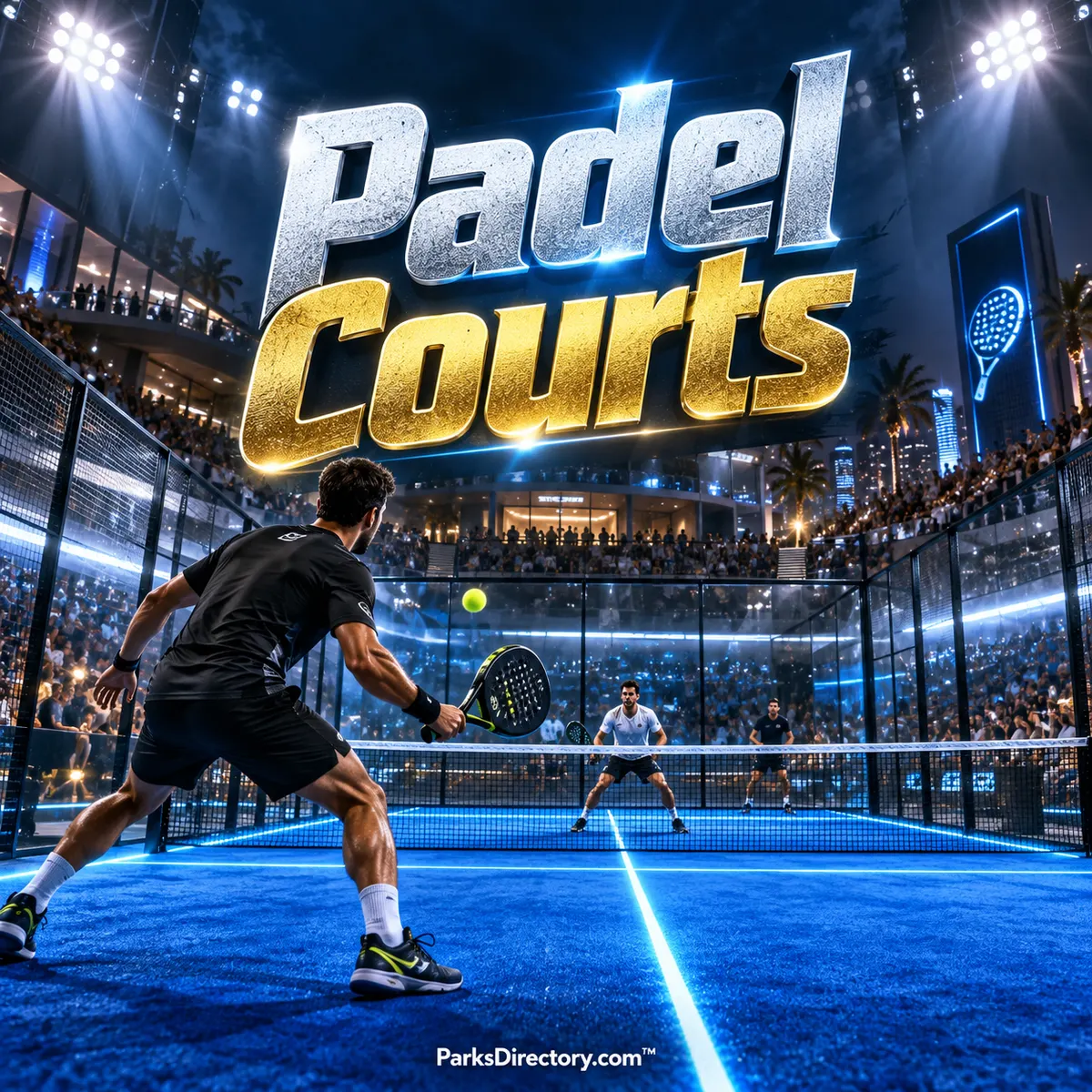
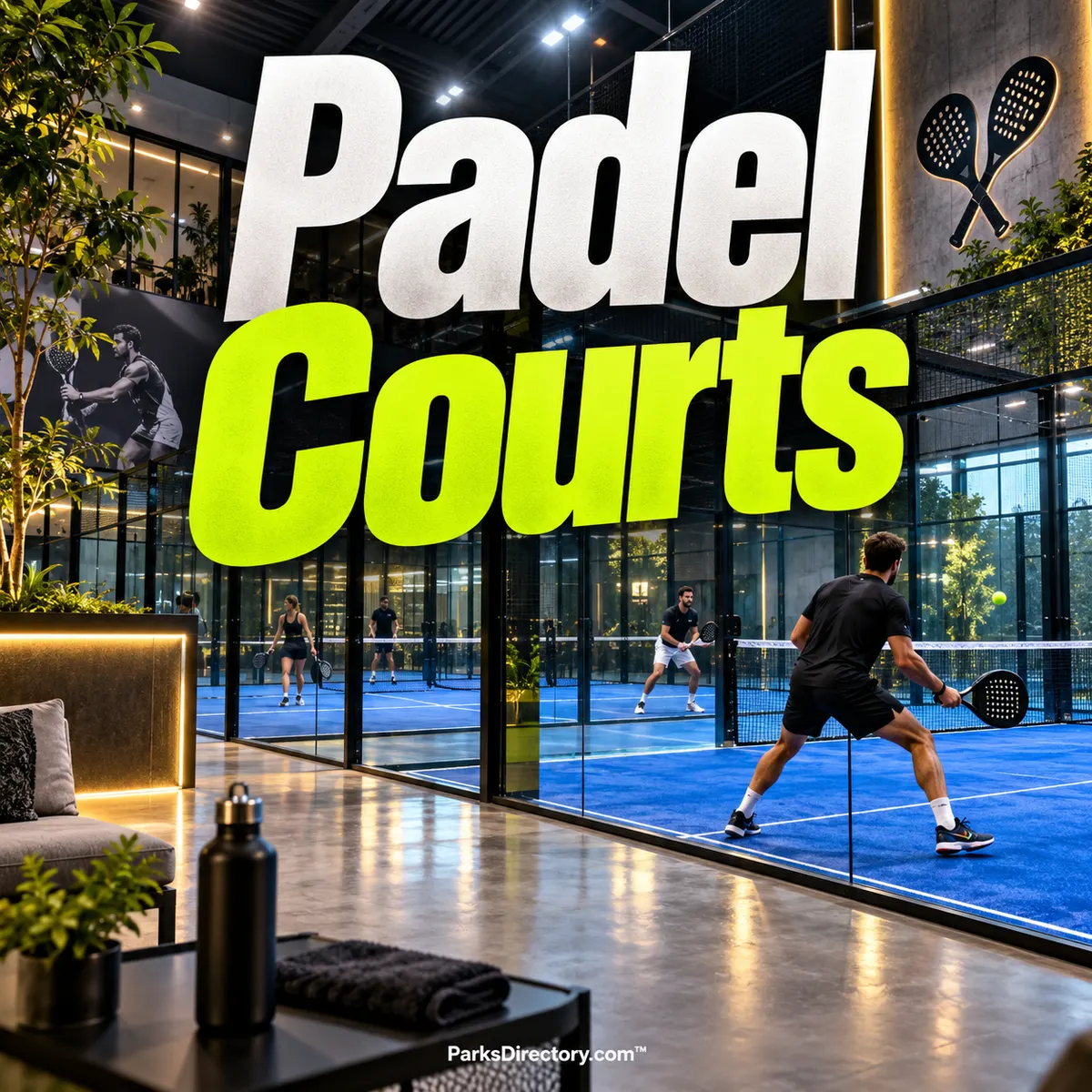
The enclosure is integral to padel’s identity, not simply a fence around another sport. FIP’s historical account explains how the original walls shaped the game and how later glass-court development contributed to its wider expansion. A player should therefore expect to learn a different relationship between the ball, the boundary, and available space.[1:2]
For a first visit, ask for an orientation to the actual rules and court. Instruction should explain the session format, equipment, and basic positioning before competitive expectations become the focus. A short introduction can make the first rally much more enjoyable than attempting to reconstruct the game from a video watched on the way to the club.
Equipment access is another practical question. Check whether the club offers appropriate rentals or introductory packages and whether their cost is included in the booking. Do not buy a large amount of equipment before understanding what will be used. Early spending is most useful when it removes a genuine obstacle to playing rather than substitutes for time on court.
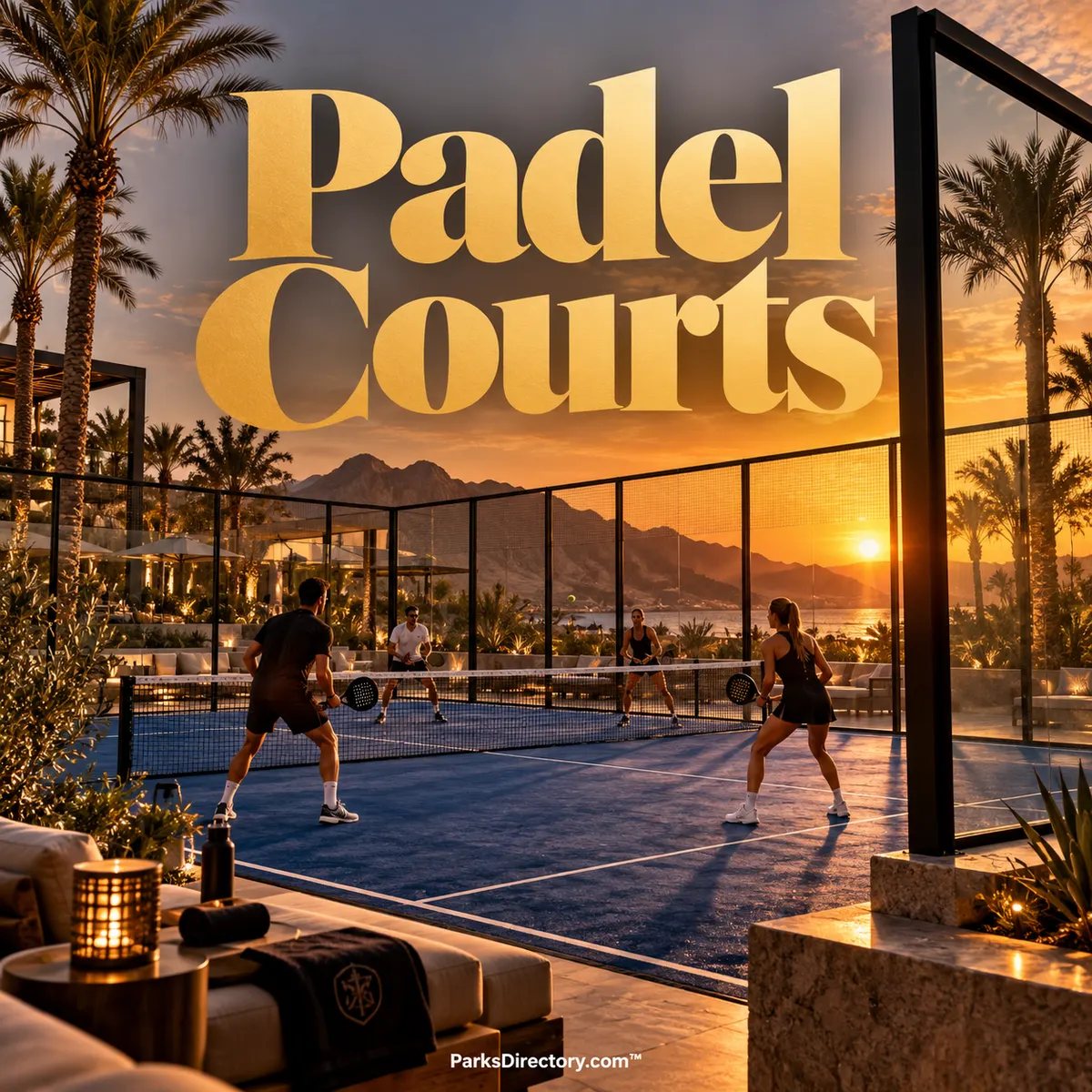
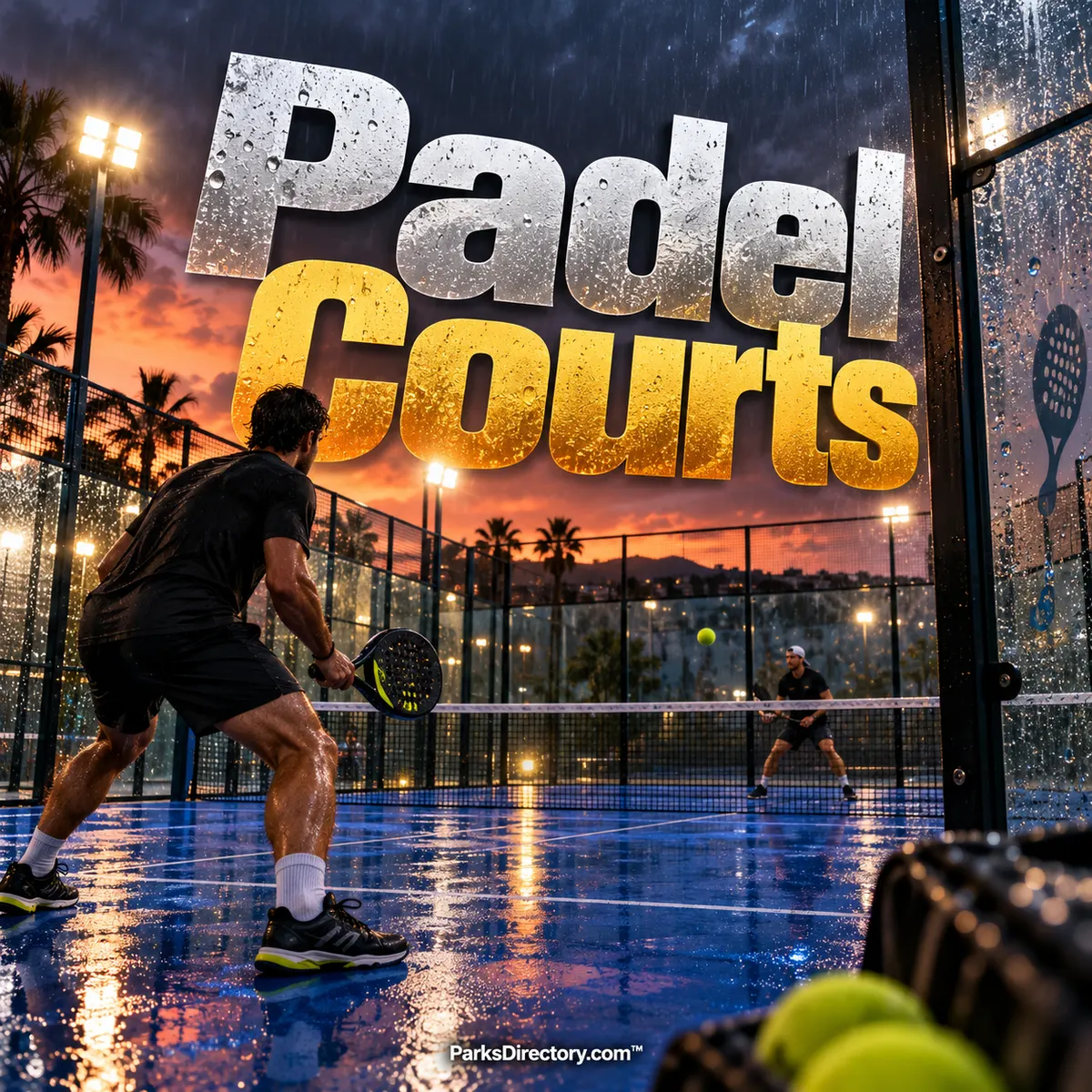
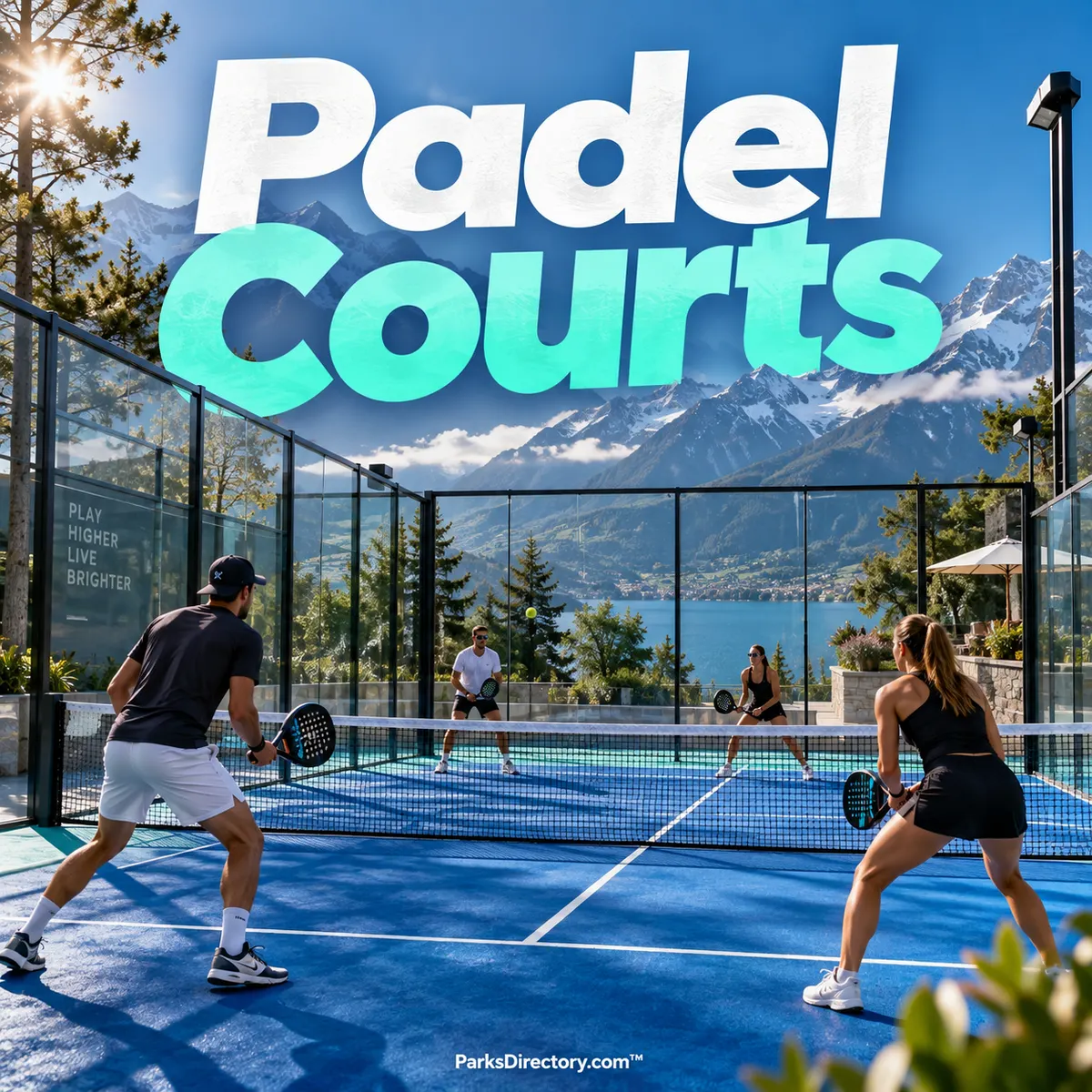
Indoor and outdoor padel courts also create different planning considerations. An indoor site may provide greater separation from the weather, while an outdoor session requires attention to the day’s conditions. Ask about cancellation procedures, lighting, and how the operator handles disruptions. A court reservation should come with enough information to know what happens when the original plan changes.
Finding a club that matches your goals
Choose the session before choosing the most impressive facility. A beginner clinic, an informal social game, and a competitive tournament require different levels of readiness. USA Padel’s competition information can help distinguish organized pathways, but recreational players do not need to enter a formal event to enjoy or learn the sport.[3:1]
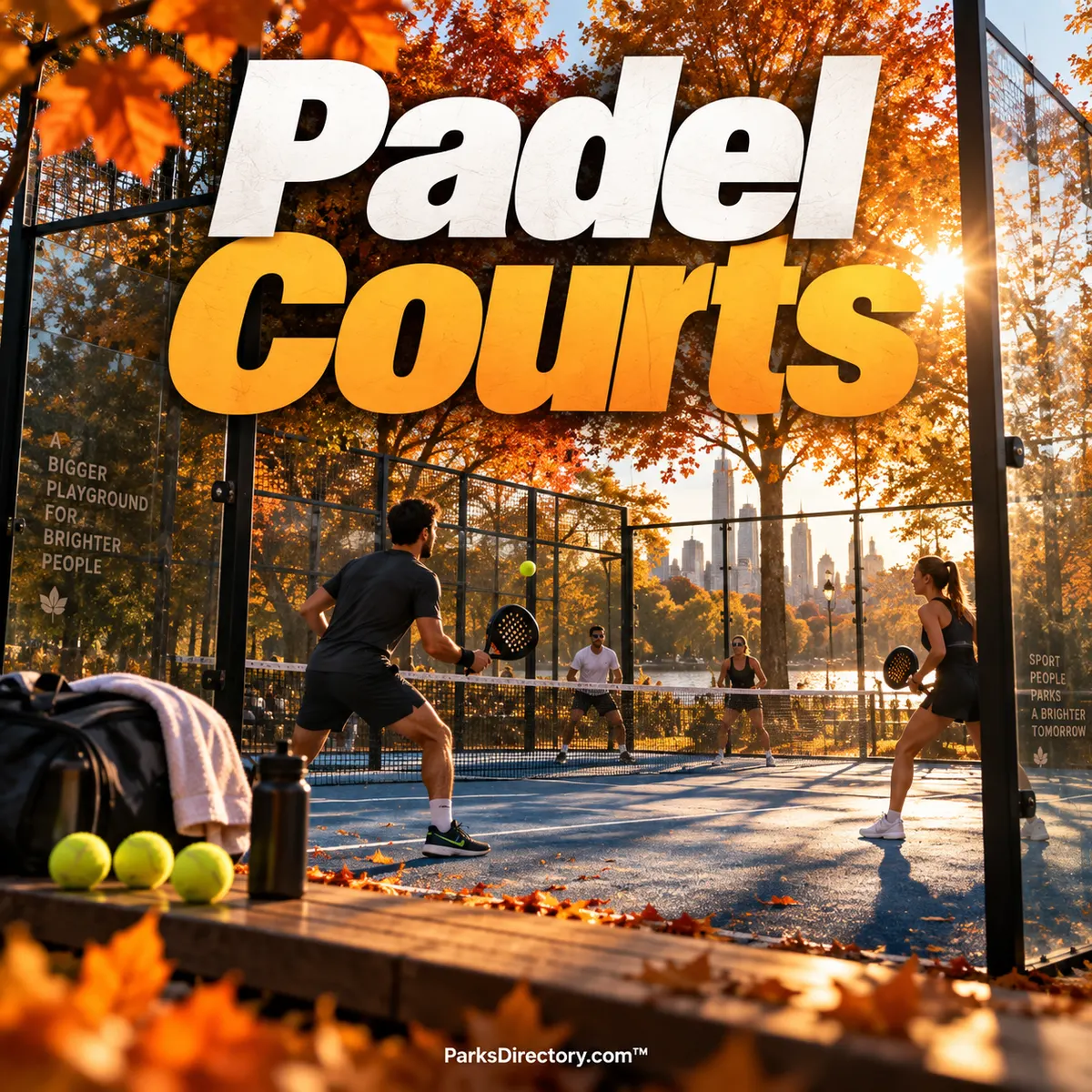
Evaluate the whole visit. Consider travel time, changing facilities, accessibility, and whether the schedule works consistently. A glamorous club across a difficult commute may be less useful than a simpler option that fits a regular routine. The best location is not necessarily the newest one; it is the place where the player can realistically return.
Ask how new participants find partners or join groups. A booking system alone cannot solve the problem of arriving without compatible players. Good communication about skill levels and session expectations can prevent a beginner from feeling out of place. It can also help experienced players find the kind of game they intended to book.
The economic impact of padel in the USA
Padel can create economic activity through court construction, equipment, coaching, club staffing, event organization, and travel. The service combinations advertised by American operators show how a venue may develop several revenue sources rather than rely only on an hourly booking. That diversity can be useful, but each service still needs actual customers and a realistic operating plan.[4:1]
Facility economics begin with the full site, not just the playing rectangle. Land or building costs, enclosure installation, circulation space, maintenance, lighting, and staffing can all affect viability. Capacity should be assessed at desirable times and across the wider schedule. A fully booked evening does not necessarily compensate for weak utilization throughout the rest of the week.
Public decisions require a different lens from a private club’s business case. A municipality considering padel should ask who will use the facility, what access will cost, and how it fits existing recreational needs. Converting land from another use is not automatically justified by international enthusiasm. Local evidence and equitable access deserve a place alongside commercial projections.
Visitor spending can provide an additional opportunity where events or destination facilities attract travelers. However, gross spending is not the same as net local benefit, and projected growth should not be presented as realized income. The American padel sector is better served by transparent estimates than by borrowing the scale of unrelated professional sports or worldwide racket-sport markets.
The future of American padel courts
The strongest next chapter would turn initial curiosity into durable participation. That could mean more introductory programs, appealing opportunities for women and juniors, clearer coaching pathways, and a range of pricing models. USA Padel’s stated development priorities include access and junior participation, providing an institutional basis for those goals rather than only a promotional focus on premium venues.[2:3]
Growth should also favor dependable operations. Well-maintained courts, transparent booking policies, and understandable session descriptions can matter more to a returning player than opening-day spectacle. Clubs that listen to actual use patterns can adjust programming rather than assume that every market wants the same combination of competition, hospitality, and membership benefits.
For travelers and local players alike, the next step is straightforward: use ParksDirectory™ to begin identifying USA padel courts, then verify the facility and session with the operator. The sport’s journey from Mexico to organized American play is a story of adaptation and committed advocates. Its U.S. future will depend on making that distinctive game easy to discover, affordable enough to repeat, and welcoming to people who are still learning.
Sources
International Padel Federation, “History,” including Mexico in 1969, Spain and Argentina, court development, and the FIP’s establishment. https://www.padelfip.com/history/ ↩︎ ↩︎ ↩︎
USA Padel, “About Us,” national-body history, current identity, and development mission. Its 1993 Houston account is used as an attributed U.S. milestone; broader international chronologies can use different introductory dates. https://padelusa.org/about/ ↩︎ ↩︎ ↩︎ ↩︎
USA Padel, competition calendar. https://padelusa.org/calendar/ ↩︎ ↩︎
Padel Up and Pura Padel, examples of U.S. operator offerings, not a national market census. https://www.padelup.club/ ; https://purapadel.com/ ↩︎ ↩︎